
So, What Exactly Is It?
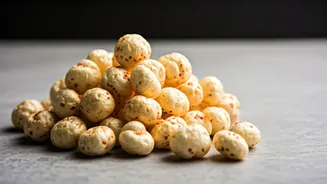
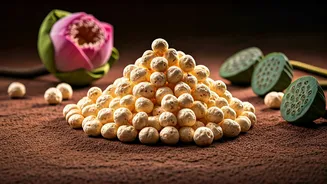
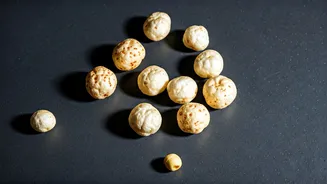
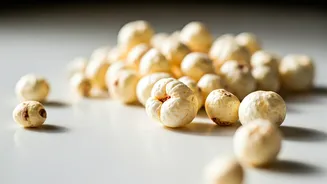
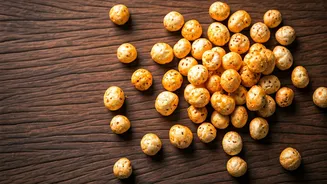
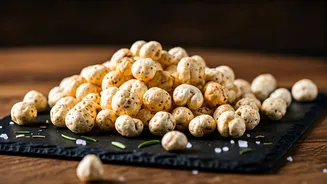
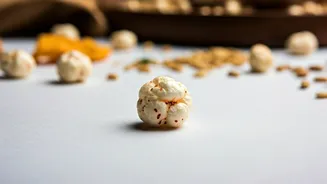
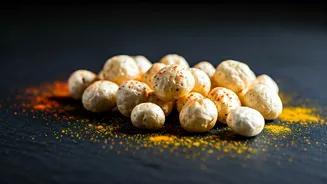
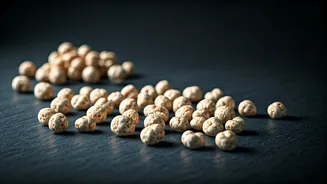
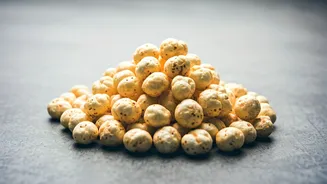
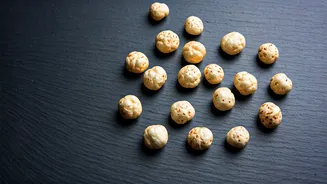
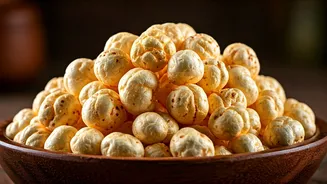
Makhana, also known as fox nuts or puffed water lily seeds, isn't actually a nut. The small, white, popcorn-like balls are the harvested and heated seeds of the Euryale ferox plant, a species of water lily. For centuries, they have been a dietary staple
in India, prized not only for their unique texture but also for their role in Ayurvedic traditions and as a food for religious fasting. When raw, the seeds are hard and black. But once they are dried and roasted in hot sand, they pop and expand into the light, crunchy snack that’s now making its way into American kitchens. Think of them as a blank canvas—naturally neutral in flavor, ready to absorb any spice or seasoning you throw their way.
It’s a Healthier Crunch
Here’s where makhana really starts to shine. In the world of empty-calorie snacks, it stands out as a genuinely nutritious option. Makhana is naturally gluten-free, low in calories and fat, and contains a surprising amount of plant-based protein and fiber, which helps keep you feeling full longer. They are also a good source of essential minerals like magnesium, which is important for muscle and nerve function, and potassium. Compared to a similar serving of buttered popcorn or potato chips, makhana offers a satisfying crunch without the processed oils, high sodium, and artificial ingredients. This nutritional profile makes it an ideal snack for anyone, from kids to athletes to those just looking for a guilt-free way to conquer a midday craving.
The Ultimate Flavor Chameleon
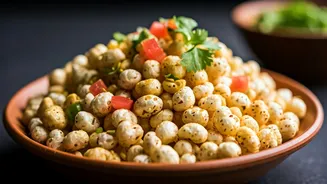
The headline's claim that it "does everything" is bold, but its versatility gets it close. Makhana’s superpower is its subtlety. On its own, it has a mild, earthy taste that’s barely there. This neutrality is a feature, not a bug. It means makhana can be adapted to any flavor profile you can dream up. For a savory treat, toss the roasted puffs with olive oil, salt, smoked paprika, and a little garlic powder. Craving something sweet? A drizzle of maple syrup and a dusting of cinnamon transforms them into a dessert-like crunch. They can be coated in dark chocolate, mixed into trail mixes, or used as a gluten-free alternative to croutons on a salad. Their ability to be both a savory appetizer and a sweet treat makes them incredibly adaptable.
Beyond Just a Bowl of Snacks
While perfect for mindless munching during a movie, makhana’s uses extend far beyond the snack bowl. In India, it's often used in cooking. The puffs can be ground into a flour for gluten-free baking or added to curries, where they soften slightly but still retain a pleasant chewiness, much like a dumpling. Some traditional recipes use makhana to create rich, creamy desserts like kheer, a type of rice pudding. This culinary range, from a simple roasted snack to a key ingredient in complex dishes, highlights its deep cultural roots and functional flexibility in the kitchen. It’s not just a trend; it's a food with a long and storied history.
How to Prepare Makhana at Home
You can find pre-seasoned and packaged makhana online and in many health food stores, but making it yourself is simple, cheaper, and gives you complete control over the flavors. Start by buying plain, raw makhana. Heat a large pan or skillet over medium heat—you can dry-roast them, but a teaspoon of ghee or a neutral oil like avocado or coconut oil will give them a richer flavor and help the seasonings stick. Add the makhana and stir constantly for 5–8 minutes, until they are fragrant and crispy. You’ll know they’re done when you can easily crush one between your fingers. Immediately transfer them to a large bowl, add your fat of choice (if you haven’t already), and toss with your desired seasonings while they’re still warm. Let them cool completely before storing in an airtight container.