
The Limits of the Two-Way Mirror
For decades, the gold standard of consumer research was the focus group. A company would recruit a handful of people, sit them in a conference room, and pepper them with questions about a new chip flavor or soda concept. While a moderator guided the conversation,
executives watched from behind a two-way mirror, trying to decipher what people *really* thought. The problem? This environment is famously artificial. Participants may say what they think the moderator wants to hear, be influenced by the most confident person in the room, or simply fail to predict their own future buying habits. Describing the perfect level of citrus in a new hard seltzer is a lot harder than simply tasting it and saying, “That’s the one.” Traditional surveys have similar flaws, capturing stated preferences that often don't translate to real-world behavior.
From Sterile Lab to Lively Bar
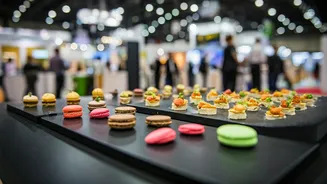
Enter the tasting event. Instead of a sterile lab, picture a pop-up in a trendy neighborhood, a collaborative event at a local brewery, or even a guided tasting kit sent directly to a customer's home. In this model, brands aren’t just asking questions; they’re creating an experience. Consumers get to try new products in a natural, social setting, often alongside existing favorites for context. The feedback isn't just verbal. Researchers can observe body language, see which samples get finished first, and listen to the organic chatter among friends. Is one flavor generating excited conversation while another is quietly pushed aside? That’s data you can’t get from a ten-point scale on a survey. This shift treats consumers less like lab rats and more like co-creators.
Data You Can Taste
The insights gathered from these events are fundamentally different—and often, more valuable. A focus group might tell a snack company that consumers *want* healthier, low-sodium options. A tasting event might reveal that while people say that, they actually devour the full-salt, extra-cheesy version and leave the “healthy” one untouched. This is the gap between aspiration and action. By observing behavior in a realistic context, companies get a much clearer picture of what will actually sell. For direct-to-consumer (DTC) brands, this feedback loop is even tighter. They can A/B test two different coffee blends with a small group of subscribers, get immediate feedback via an online form, and decide which one to scale up for a national launch within weeks, not months.
The Built-In Marketing Buzz
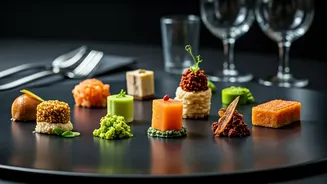
Perhaps the most brilliant part of this strategy is that it’s a two-for-one deal. A traditional focus group is a pure cost center. A tasting event, however, is both research *and* marketing. People who attend these events often share their experience on social media, generating organic buzz and user-generated content. Photos of beautifully plated samples or colorful cocktails become free advertising. The event itself builds brand affinity; attendees feel like insiders who are part of the brand’s story. They are far more likely to become early adopters and evangelists for the final product because they feel a sense of ownership. Instead of paying for research and then paying again for marketing, smart brands are combining them into a single, high-impact activity.
What It Means for Shoppers
For consumers, this trend is overwhelmingly positive. It means your actual preferences have a more direct line to the people making the products. Instead of products being designed by committee based on abstract data, they're being refined based on real-world enjoyment. It also offers a new form of entertainment and community. Attending a tasting for a new line of non-alcoholic spirits or artisanal cheeses is a fun night out, not a chore. The result is a marketplace that should, in theory, become more responsive to our real tastes, leading to better, more interesting, and more successful products on the shelves. Your palate is now part of the R&D team.