

A Rebellion Against Burnout Culture
For many Millennials, the 2010s were defined by 'rise and grind' and 'girlboss' mantras. Hustle culture was not just a work ethic; it was an identity. But Gen Z, having watched their slightly older peers burn out in pursuit of often-unstable careers,
is staging a quiet rebellion. They've seen the toll of endless work and economic precarity and are consciously opting out. Instead of glorifying sleep deprivation as a badge of honor, they see it as a symptom of a broken system. Prioritizing rest is a direct rejection of the idea that one's value is tied to productivity. It's a radical act of self-preservation in a world that consistently demands more.
Sleep as a Mental Health Tool
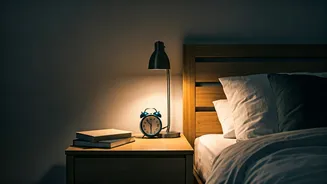
Gen Z is arguably the most mental-health-aware generation in history. They grew up with open conversations about anxiety, depression, and stress, and they are acutely aware of the link between physical and mental well-being. From this perspective, sleep isn't about laziness; it's a critical component of psychological maintenance. Decades of research back them up, linking poor sleep to worsened anxiety and mood disorders. While previous generations might have 'powered through' exhaustion, many in Gen Z view a full night's rest as fundamental to their ability to function, cope with stress, and maintain their mental equilibrium. In their wellness toolkit, sleep is as essential as therapy or medication.
The Rise of the 'Sleep-fluencer'
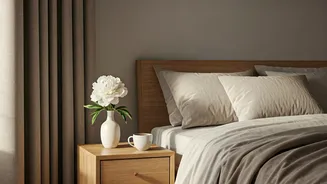
Ironically, the very platforms often blamed for keeping people up at night are also where the gospel of good sleep is being spread. On TikTok and Instagram, the 'sleepy girl mocktail'—a concoction of tart cherry juice and magnesium—has gone viral. Wellness influencers proudly display their high 'sleep scores' from Oura rings and Whoop bands, turning rest into a form of aspirational content. This 'clean sleeping' trend has commercial legs, fueling a booming 'sleep economy' of weighted blankets, blackout curtains, white noise machines, and specialized supplements. While this performance of rest can feel like another form of pressure, it also normalizes and gamifies the act of prioritizing sleep, making it a visible and shared cultural value.
Control in a World of Chaos
Coming of age amidst a pandemic, political polarization, and economic uncertainty has left many young people feeling a profound lack of control over their external world. Traditional markers of adult success, like affordable housing and stable, long-term careers, can feel increasingly out of reach. In this context, optimizing one's personal wellness becomes an area where an individual can exert agency and see tangible results. You may not be able to control inflation or the job market, but you can control your bedtime. Mastering sleep hygiene offers a predictable, achievable goal—a small but significant victory in a world that often feels overwhelmingly chaotic and unpredictable.