

Beyond the Sad Desk Salad
Let’s be clear: a cold plate is not just a pile of leafy greens or a lonely scoop of tuna salad. Think of it as a personal, deconstructed feast. It’s an intentional arrangement of delicious, ready-to-eat items from your fridge and pantry, thoughtfully
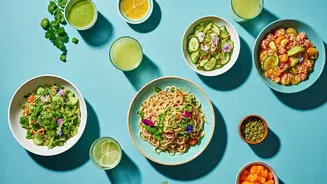
combined on a single plate to create a balanced, satisfying meal. The French call it an *assiette Anglaise*, the Spanish have their tapas, and Italians enjoy antipasto. The principle is the same: composing a meal from high-quality components without generating any heat. It transforms the desperation of “what can I eat that doesn’t require cooking?” into an act of creative, self-sufficient luxury. It’s the opposite of a compromise; it’s an upgrade to your summer dining that requires almost zero effort.
Why This Hack Actually Works
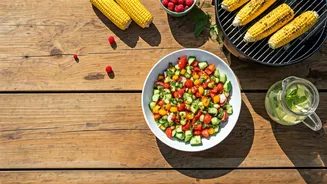
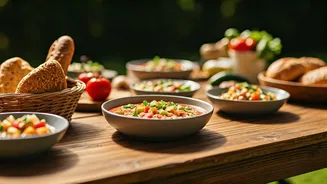
The genius of the cold plate lies in its simplicity and versatility. First and foremost, it keeps your kitchen cool and your energy bills down. No preheating the oven, no boiling water, no standing over a hot pan. The cleanup is also minimal—often just one plate and a knife. But the real magic is in the customization. It’s a perfect vehicle for using up small amounts of leftovers: that last handful of olives, the half-jar of roasted red peppers, the wedge of cheese you bought last week. It caters to every dietary need, from vegan to gluten-free, and can be as light or as hearty as you desire. It forces you to appreciate the quality of individual ingredients—a ripe tomato, a good piece of bread, a flavorful olive oil—and creates a meal that feels both rustic and surprisingly elegant.
The Building Blocks of a Great Cold Plate
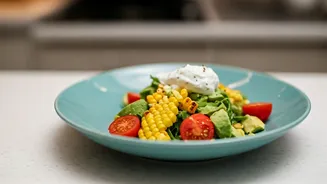
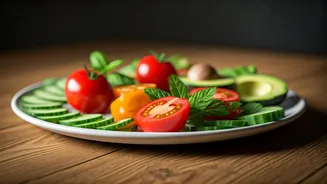
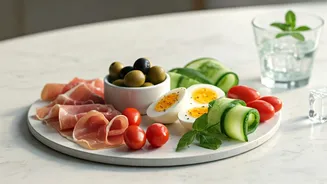
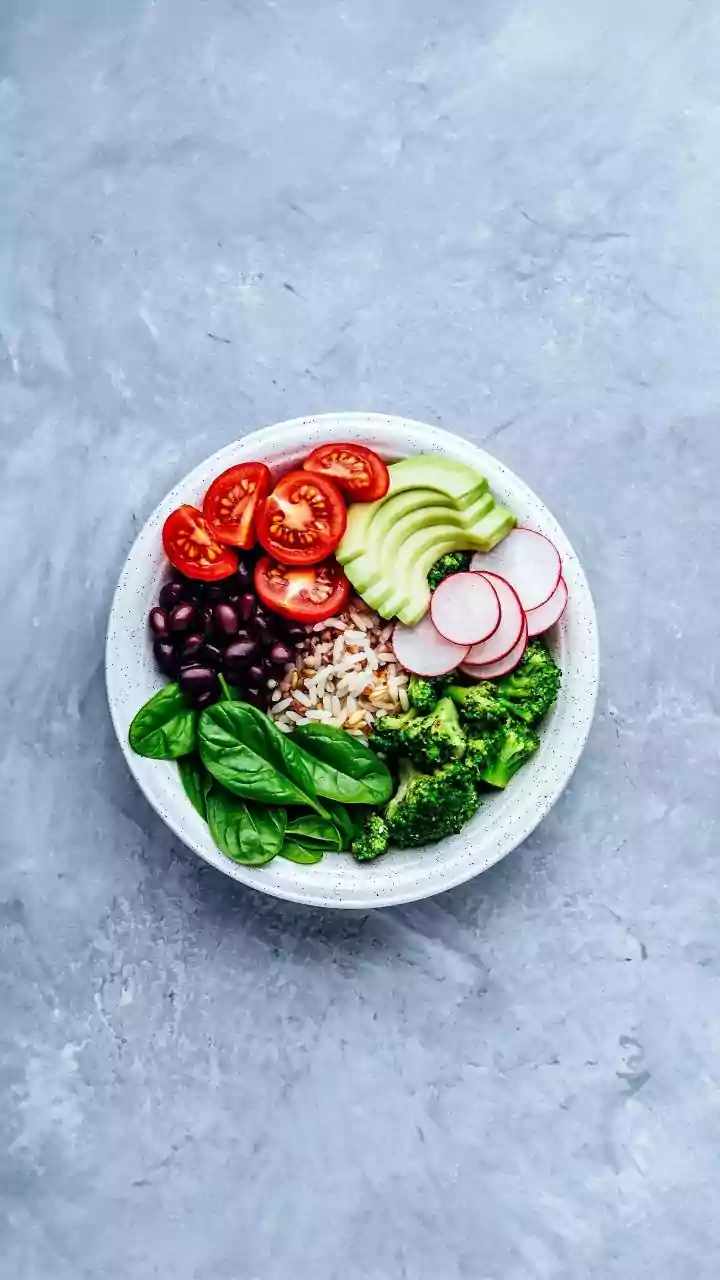
Building a perfect cold plate is all about texture, flavor, and balance. You don't need a recipe, just a framework. Aim to include something from at least four of these five categories: 1. **Protein Power:** This is the anchor. Think hard-boiled eggs, canned fish in olive oil (tuna, sardines, mackerel), slices of prosciutto or salami, smoked tofu or tempeh, or a scoop of flavorful chickpeas or white beans. 2. **Fresh & Crunchy Veggies:** Provide brightness and texture. Cherry tomatoes, sliced cucumber, radishes, bell pepper strips, and celery sticks are all excellent choices. Don't forget pickles, olives, or other brined items for a pop of acidity. 3. **A Creamy Element:** This adds richness and satisfaction. A wedge of good cheese (from sharp cheddar to creamy brie), a dollop of hummus or babaganoush, a smear of labneh, or even a simple avocado sprinkled with salt. 4. **The Carb Anchor:** Something to scoop, top, or accompany everything else. This could be high-quality crackers, a few slices of crusty sourdough, hearty rye bread, or even leftover cooked grains like quinoa or farro dressed in a vinaigrette. 5. **The Finishing Touch:** This is what elevates it from a snack to a meal. A generous drizzle of your best extra-virgin olive oil, a squeeze of fresh lemon juice, a sprinkle of flaky sea salt, a scattering of fresh herbs (parsley, dill, basil), or a spoonful of good mustard.
Three Ideas to Get You Started
Feeling inspired but don't know where to begin? Try one of these classic combinations: * **The Mediterranean:** A scoop of hummus, a block of feta cheese, a handful of Kalamata olives, cucumber slices, cherry tomatoes, and warm pita bread for dipping. * **The Pantry Ploughman's:** A sharp cheddar wedge, a sliced apple or pear, a dollop of whole-grain mustard, a few cornichons or pickled onions, a hard-boiled egg, and hearty crackers. * **The Spanish Bodega:** High-quality canned tuna or sardines in olive oil, a few slices of Manchego cheese, roasted red peppers from a jar, a handful of Marcona almonds, and a piece of crusty bread to soak up the flavorful oil.