

The Great Transformation
For much of the year, the Konkan Coast—a rugged strip of land tucked between the Western Ghats mountain range and the Arabian Sea—is a place of dusty roads and sun-baked earth. It’s beautiful in its own right, known for its pristine beaches and sleepy
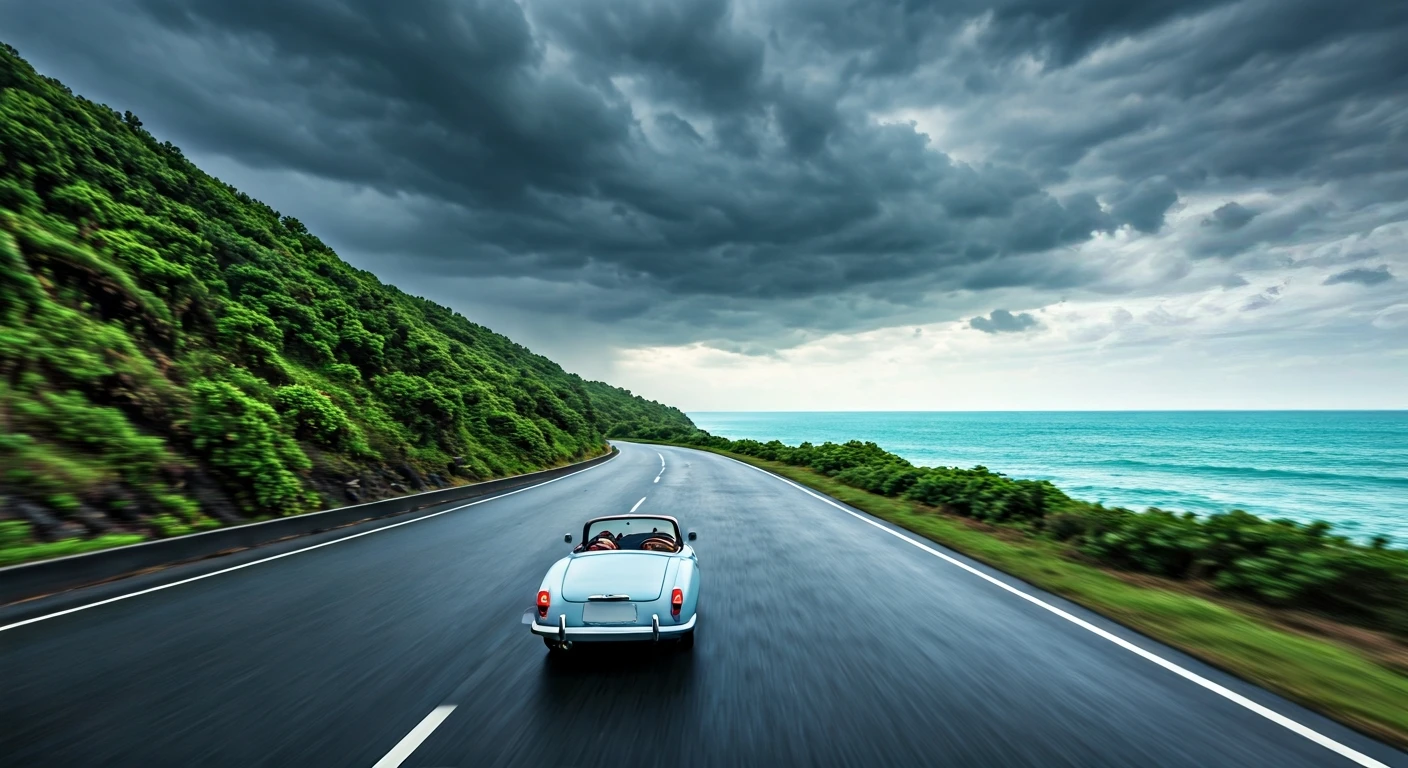
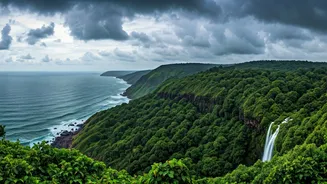
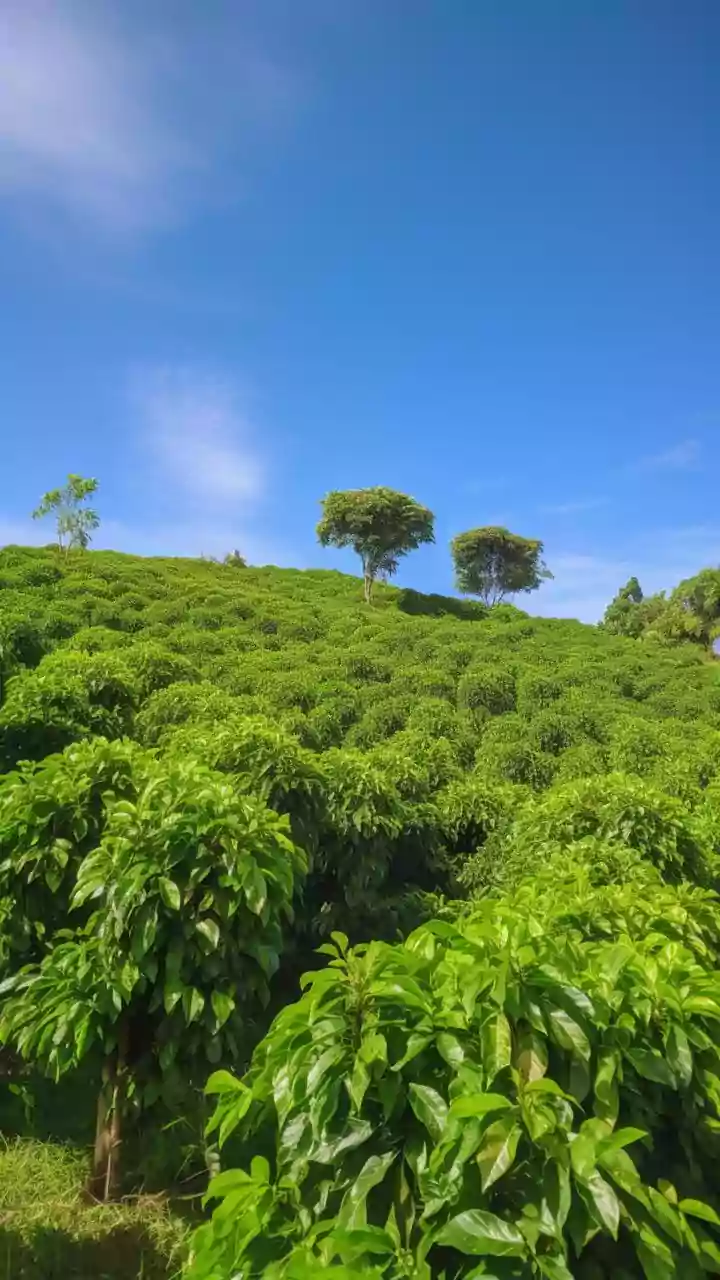
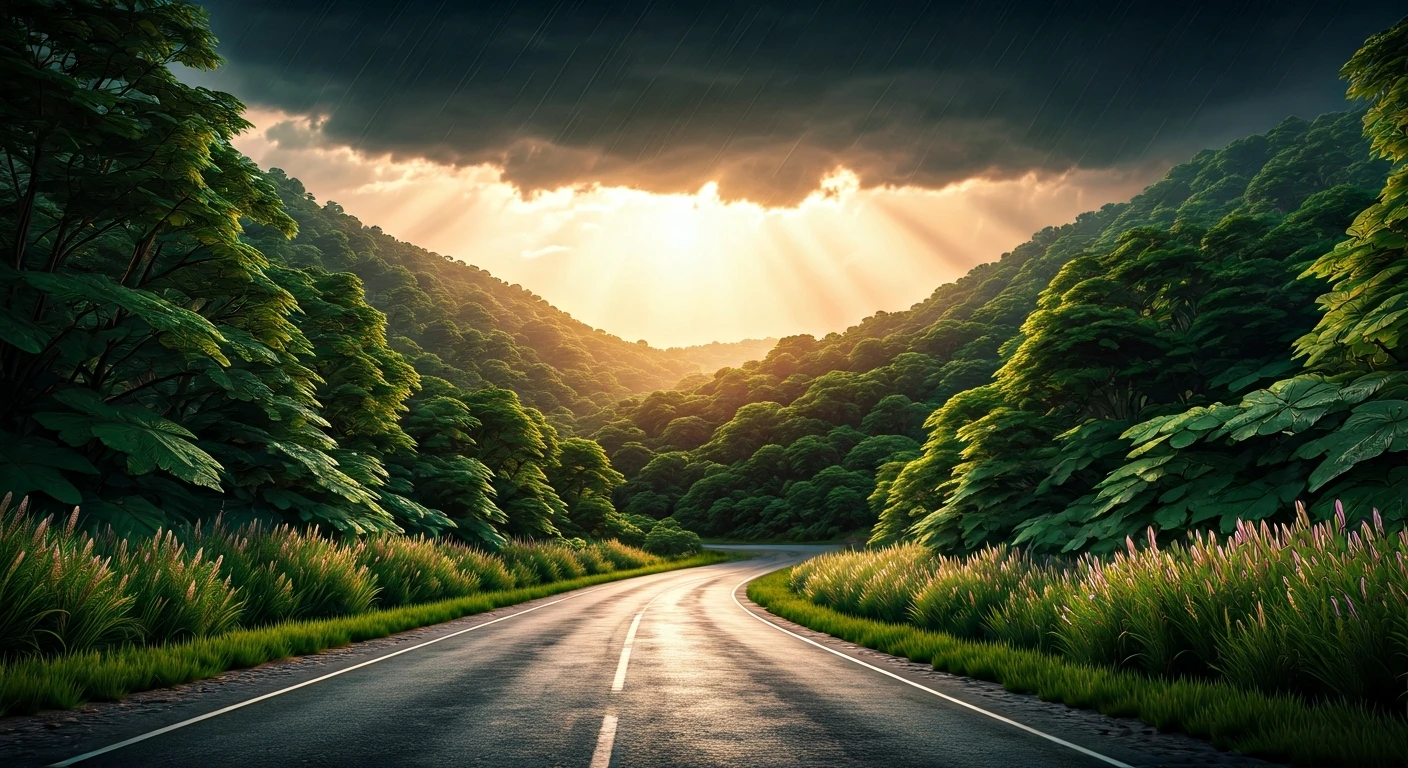
fishing villages. But when the monsoon clouds roll in around June, a radical and almost impossibly cinematic transformation occurs. The first rains wash away the dust, and within weeks, the entire region erupts in a hundred shades of green. dormant seeds spring to life, barren hillsides are carpeted in velvety moss, and the air grows heavy with the scent of wet soil and blooming flowers. It’s a complete rebirth, a seasonal spectacle that turns a simple drive into a journey through a living, breathing ecosystem.
The Route: A Ribbon of Road
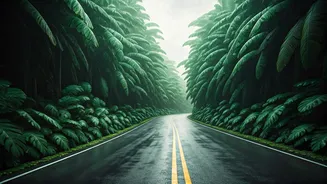
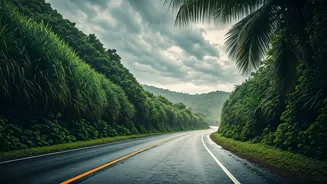
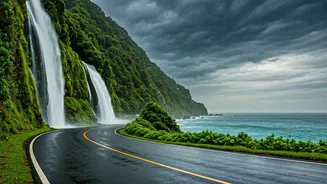
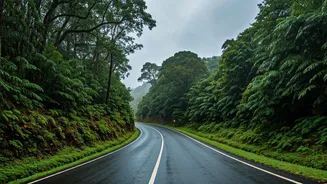
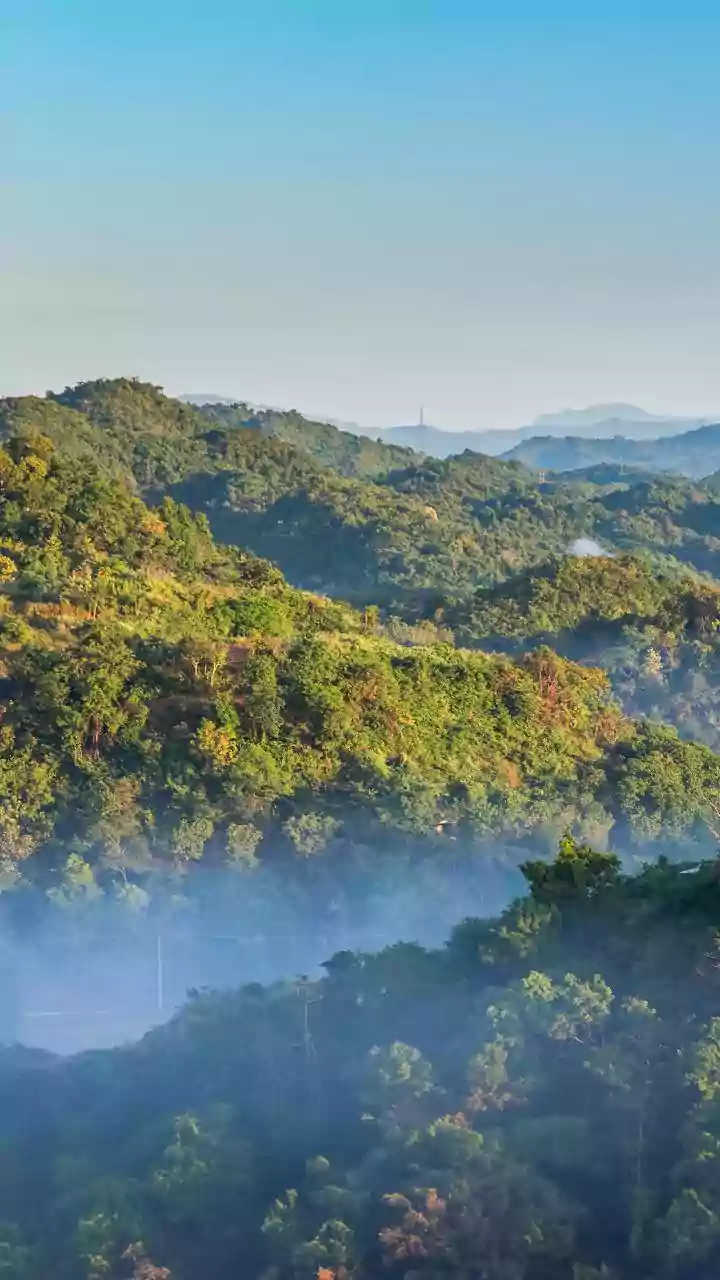
The main artery for this fantasy drive is National Highway 66 (NH 66), a ribbon of asphalt that snakes its way south from Mumbai, through the states of Maharashtra, Goa, and Karnataka. While it can be a bustling highway, during the monsoon it feels more like a private road through a secret garden. The drive isn't about speed; it's about surrender. You surrender to the winding curves that hug the coastline, the sudden pockets of mist that reduce visibility to a few feet, and the need to pull over, again and again, just to stare. The road dips into valleys thick with paddy fields, where farmers in colorful rain gear tend to their crops, and climbs into the 'ghats'—the mountain passes—where the views open up to reveal layers of mist-shrouded hills stretching to the horizon.
A Symphony of Waterfalls
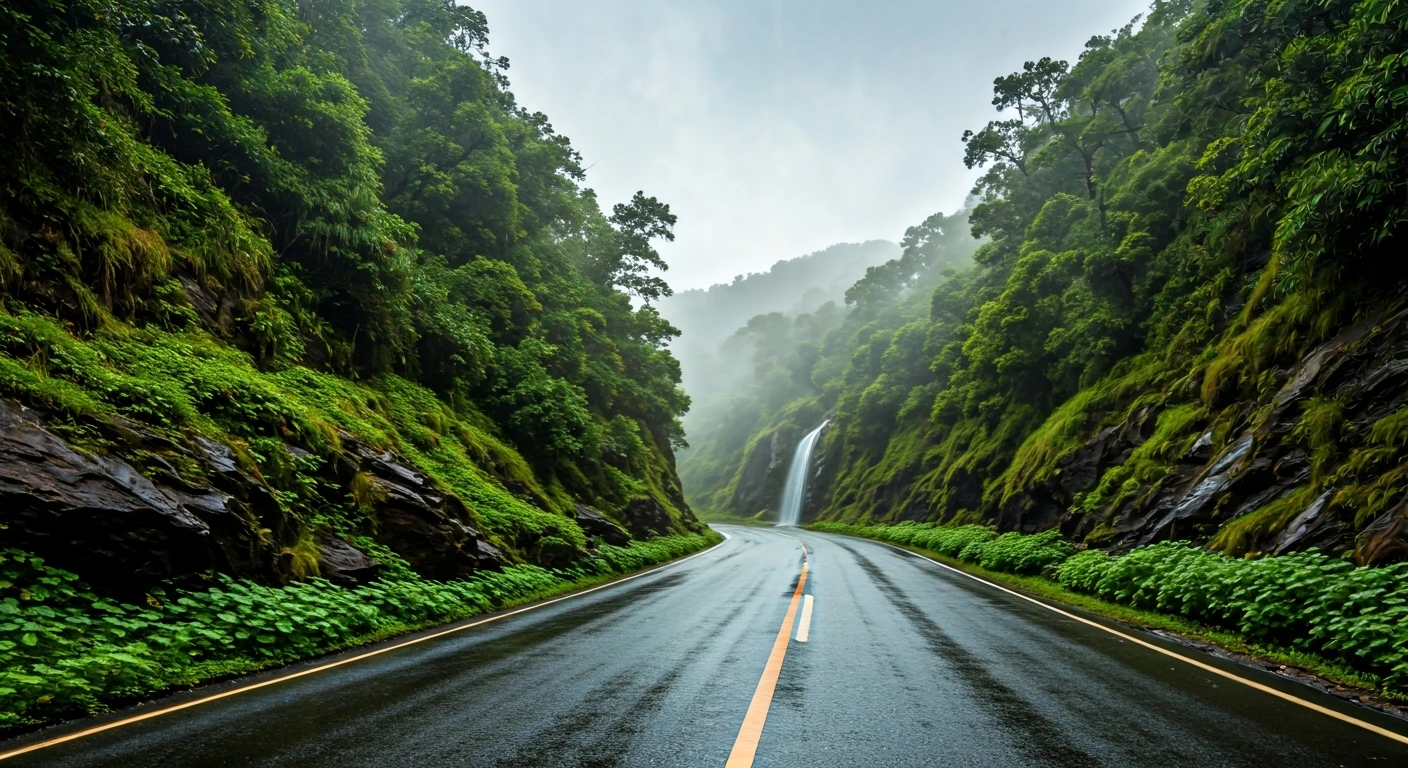
If the color of the Konkan monsoon is green, its sound is the roar of water. The rain feeds thousands of temporary waterfalls that cascade down the hillsides, creating a breathtaking and dynamic landscape. Some are mere trickles, delicate silver threads against black rock. Others are thunderous torrents that crash onto the road itself, creating impromptu car washes for those brave enough to drive through them. Places like the Amboli Ghat become legendary during this time, with dozens of waterfalls lining the route. Finding a safe spot to pull over, step out of the car, and feel the spray on your face is an essential part of the experience. It’s a powerful reminder of nature’s raw, untamed beauty, an experience that simply doesn't exist in the dry season.
The Flavors of the Rain
A drive this epic requires the right fuel, and the Konkan delivers. The journey is punctuated by small roadside shacks and humble restaurants serving up monsoon-specific delicacies. The ultimate pit stop involves a steaming cup of sweet, milky chai (spiced tea) paired with a plate of 'bhajiyas'—assorted vegetables like onion or potato, dipped in chickpea flour batter and deep-fried to crispy perfection. There’s something primal and deeply comforting about seeking shelter from a downpour in a tiny eatery, the smell of hot oil and spices mingling with the rain outside. It's more than just a snack; it's a ritual, a sensory anchor in a world that feels fluid and constantly changing.
Driving the Dream Responsibly
While it sounds like a dream, this drive requires a healthy dose of reality. Monsoon driving in India isn't for the faint of heart. Roads can be slick, potholes can hide under puddles, and occasional landslides can cause delays. A sturdy vehicle, preferably an SUV with good ground clearance, is recommended. The key is to drive slowly, keep your plans flexible, and embrace the unpredictability. The best time to go is from July to early September, when the monsoon is in full swing but the initial fury has subsided. Check weather forecasts, talk to locals about road conditions, and never drive through fast-flowing water. The fantasy is rewarding, but safety makes it possible.