



The Flaw in 'Peak Season' Thinking
For decades, the standard advice for visiting India was simple: go between October and March. This is prime season for the “Golden Triangle” of Delhi, Agra, and Jaipur, and the beach shacks of Goa are in full swing. The weather is dry, sunny, and pleasant.
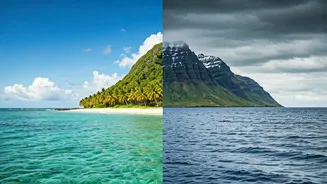
But this narrow approach overlooks a fundamental truth: India isn’t a single weather destination. It's a subcontinent with at least six major climatic zones, offering vastly different experiences at the exact same time. While tourists are baking in Rajasthan in May, trekkers are enjoying perfect, crisp air in the Himalayas. While monsoon rains drench Kerala in July, Ladakh is experiencing its glorious, high-altitude summer. The superpower isn’t about India having perfect weather; it’s about a perfect season always being available *somewhere*.
Strategy 1: Embrace the Monsoon Magic
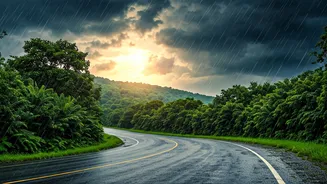
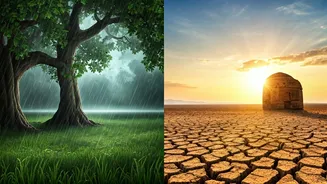
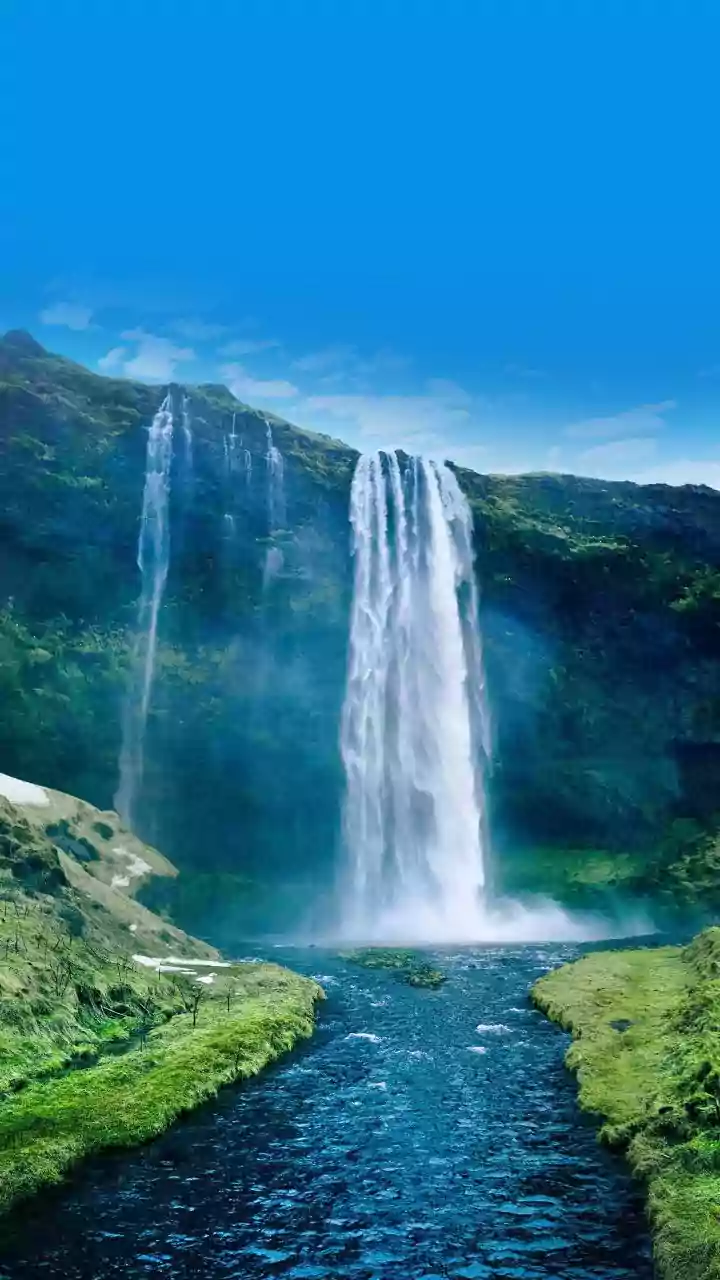
The word “monsoon” often conjures images of flooded streets and canceled plans. For a savvy traveler, it should conjure lush landscapes, dramatic skies, and deep discounts. From June to September, much of India receives its life-giving rain. This is a terrible time for a camel safari in the desert, but it’s a spectacular time to be in Kerala, where the rain washes the spice plantations clean, creating an impossibly green paradise. It’s also an ideal moment for Ayurvedic treatments, as the moist, cool air is believed to be optimal for the body’s receptivity. In places like Rajasthan, the rain transforms the arid landscape; ancient forts look even more majestic against a sky full of roiling clouds. You get fewer crowds, lower prices, and a more atmospheric, poetic version of India.
Strategy 2: Head for the Hills in Summer
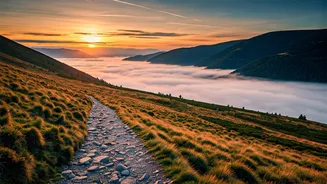
India’s summer, from April to early June, can be brutally hot on the plains, with temperatures soaring well over 100°F. For most, this is a clear 'do not visit' period. But this is precisely when the country's northern mountain states come alive. While Delhi swelters, you could be sipping tea on a cool balcony in Darjeeling, trekking through wildflower meadows in Himachal Pradesh, or exploring the otherworldly Buddhist monasteries of Ladakh. This region, often called “Little Tibet,” is largely inaccessible in winter due to snow. Its short, spectacular summer is the peak season here, offering comfortable days and cool nights under clear blue skies. Escaping the heat isn't just about survival; it's about unlocking a completely different side of India that many peak-season tourists never see.
Strategy 3: Chase the Classic Winter Sun
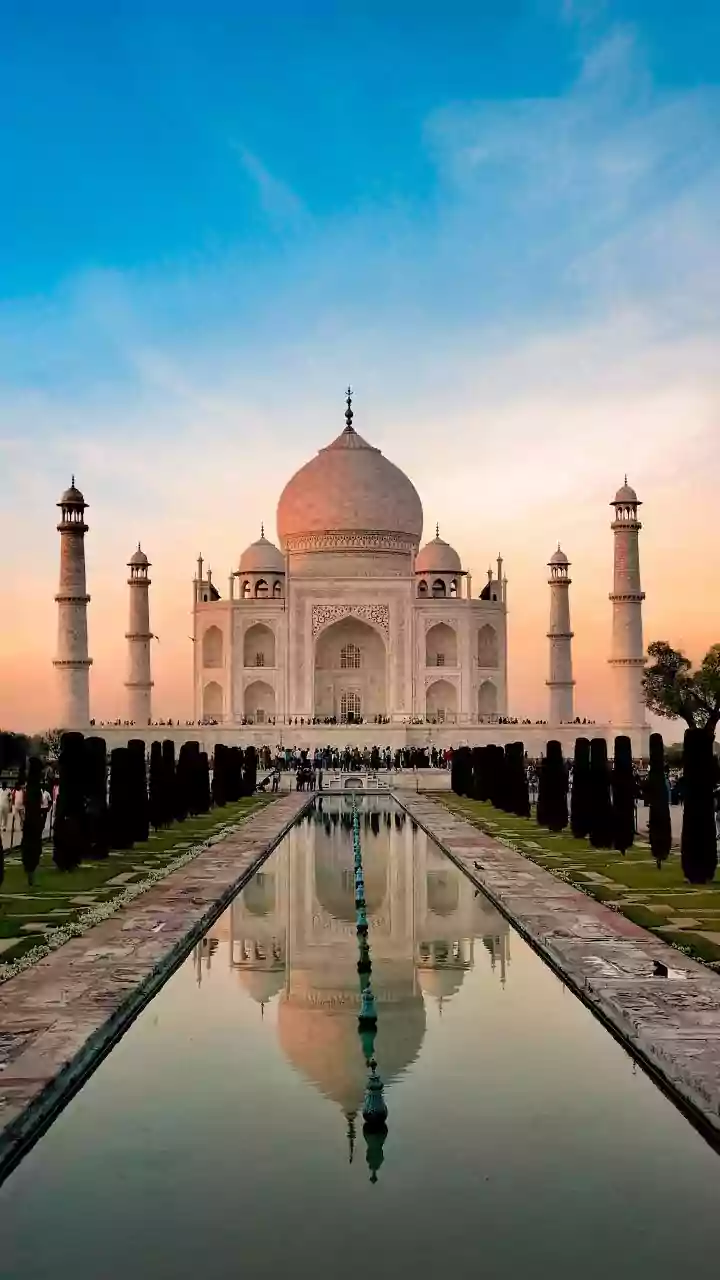
There’s a reason the traditional winter season is so popular. It’s undeniably fantastic. If your dream trip involves exploring ancient Mughal ruins, seeing the Taj Mahal in misty morning light, or lounging on a Goan beach, then November through February is your time. The oppressive heat and humidity are gone, replaced by comfortable, sunny days perfect for sightseeing. This is the India of postcards: vibrant markets in Rajasthan, serene houseboat cruises on Kerala’s backwaters, and bustling cities at their most energetic. You’ll be sharing the experience with more people and paying higher prices, but for first-time visitors or those seeking pure comfort, planning a trip around the classic winter season remains a foolproof strategy.
The Shoulder Season Secret
For travelers who want the best of both worlds—good weather without the peak-season crowds—the shoulder months are a godsend. September and October, right after the monsoon, see the landscape at its most verdant and the air washed clean. It’s a photographer’s dream. Major festivals like Diwali often fall during this period, offering a vibrant cultural bonus. Likewise, late February and March provide a sweet spot before the summer heat kicks in. The winter crowds have thinned, but the weather is still gorgeous. These periods offer a perfect balance of comfort, value, and accessibility, making them an increasingly popular choice for in-the-know travelers.