



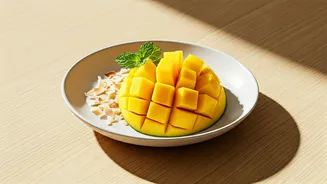
The Hero Your Kitchen Deserves
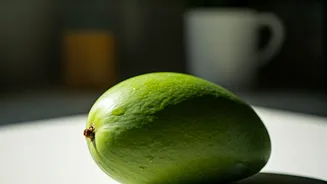
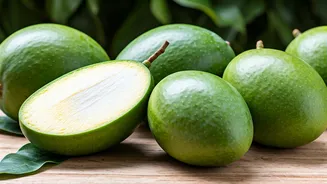
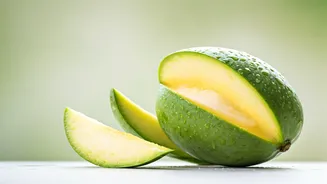
Enter the raw mango. And no, I don’t mean the sad, underripe Kent mango you forgot about on your counter. I’m talking about the *green* mango, the kind sold rock-hard and vibrantly green at Indian, Southeast Asian, and Latin American markets. This isn’t
a fruit waiting to become sweet; it’s a vegetable-like ingredient celebrated for its electrifying sourness and crisp, juicy texture. While ripe mangoes are all soft flesh and honeyed sweetness, their raw counterpart is a completely different beast. It’s firm, crunchy, and unapologetically tart. In many cuisines, it’s not seen as a lesser, unripe version of a fruit, but as a prized ingredient in its own right, harvested specifically for its sharp, clean flavor. It’s the culinary equivalent of a plot twist, ready to shake your palate out of its summertime slumber.
Beyond Sour: A Jolt of Flavor
Describing a raw mango as simply “sour” is like describing a thriller as just “tense.” It misses the nuance. The flavor is a jolt to the senses, a jaw-tingling, mouth-puckering brightness that wakes up everything it touches. But beneath that initial shock is a complex, grassy, and subtly fruity note that a lemon or lime can’t replicate. It has character. It has, for lack of a better word, drama.
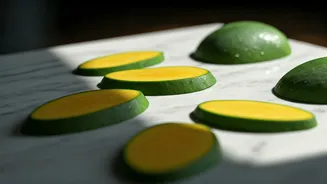
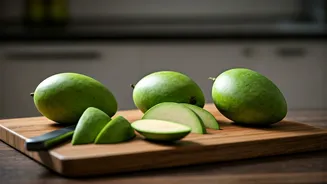
Think of it as the acid’s cooler, more interesting older sibling. While lemon juice can brighten a dish, raw mango can transform it. Its firm texture means it doesn't just dissolve into a sauce; it remains a distinct element, providing a satisfying crunch alongside its tangy punch. Whether you shave it, dice it, or grate it, it adds a layer of texture and a bolt of lightning that cuts through richness and heat with unparalleled verve.
How to Add the Drama, Simply
You don’t need a complicated new recipe to bring raw mango into your life. The beauty of this ingredient is how easily it elevates things you’re already making. Start simple and get ready for the applause.
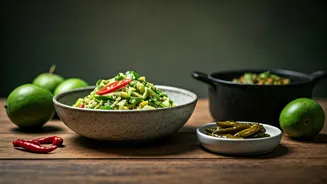
- **Upgrade Your Slaw:** Instead of cabbage, julienne or grate a raw mango and toss it with cilantro, red onion, a pinch of salt, and a dash of fish sauce or lime juice. Pile it onto fish tacos, pulled pork sandwiches, or serve it alongside grilled shrimp. It’s an instant game-changer.
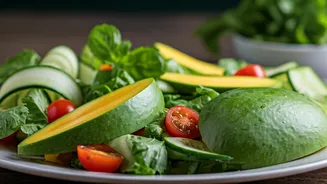
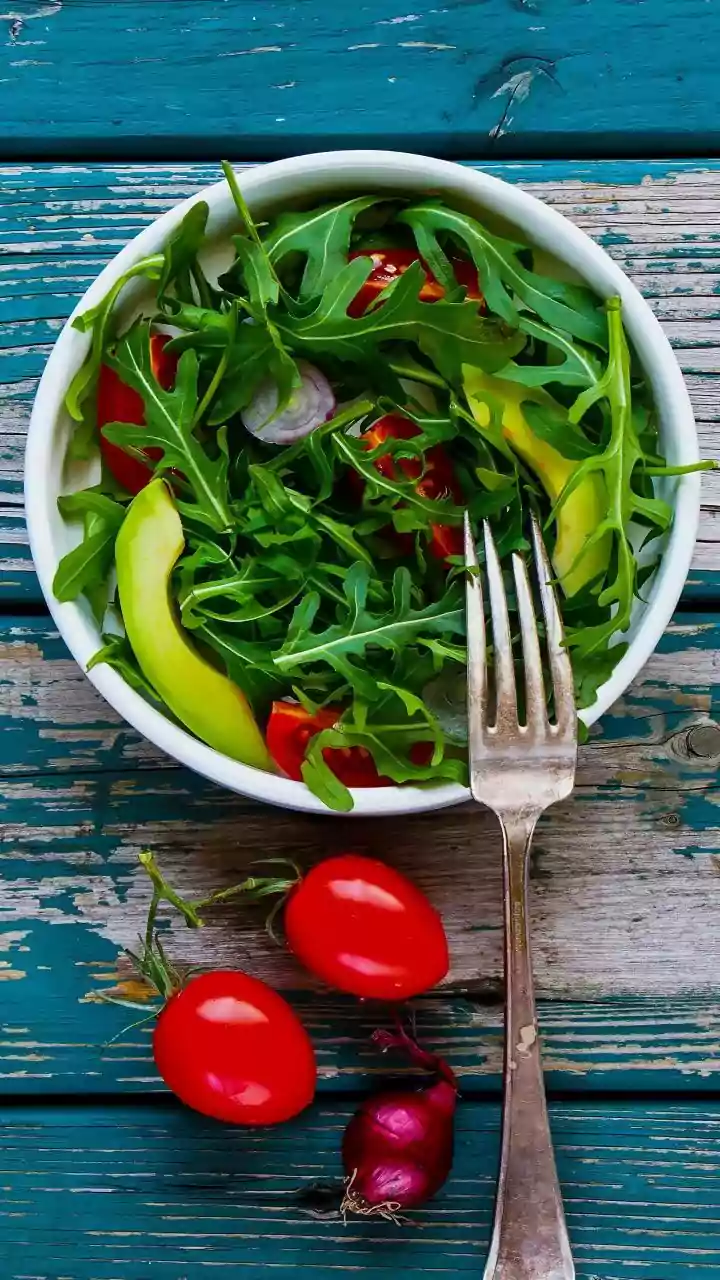
- **Reinvent Your Salad:** Forget croutons. Shave thin ribbons of raw mango into a simple green salad with a peeler. It adds a crunchy, tart element that’s far more exciting than a standard vinaigrette.
- **Build a Better Salsa:** For grilled fish or chicken, ditch the tomato. Dice raw mango and mix it with finely chopped jalapeño, red onion, and mint. The crisp, sour cubes provide a perfect counterpoint to the smoky char of the grill.
- **Stir Up a Drink:** Make a simple raw mango cooler. Blend peeled, chopped raw mango with water, a bit of sugar or honey to taste, and a pinch of salt or cumin. It's the most refreshing, complex, non-alcoholic drink you'll have all summer.
Your Field Guide to Finding It
The quest for raw mango is part of the fun. You won’t typically find these in the aisles of a major U.S. supermarket chain. Your destination is a local international grocery store. Head to the produce section of an Indian, Thai, Vietnamese, Filipino, or Mexican market and look for mangoes that are uniformly green and feel as hard as a baseball. Don’t be tempted by one that has a slight blush of yellow or feels soft to the touch—that’s a sign it’s on its way to ripening, and you’ll lose the signature crunch and tartness. In Indian stores, you might find it labeled as 'Kairi' or 'Kaccha Aam.' Ask the grocer if you’re unsure; they’ll point you to the right stuff. Once you get it home, it will keep in the refrigerator for a week or more, ready to deploy whenever a dish needs saving from mediocrity.