





Meet Nature’s Pop-Up Flower
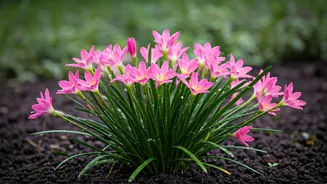
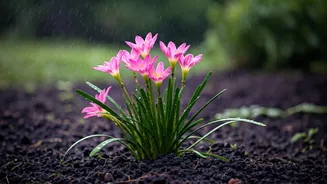
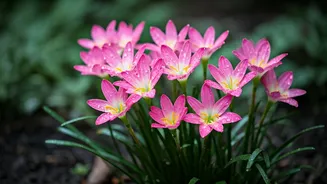
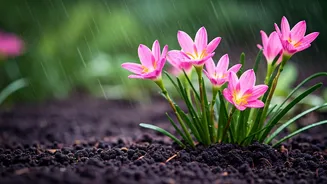
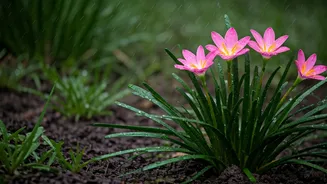
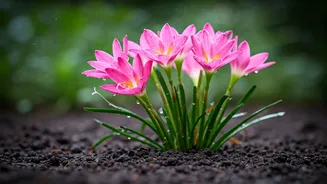
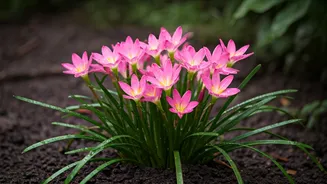
If you’ve ever walked through a garden a day or two after a drenching summer rain and spotted a carpet of delicate, star-shaped flowers that weren’t there before, you’ve witnessed the magic of the rain lily. Known to botanists as *Zephyranthes*, these
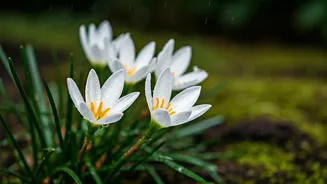
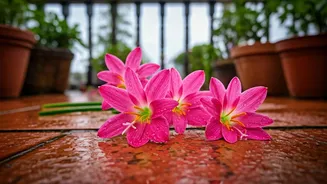
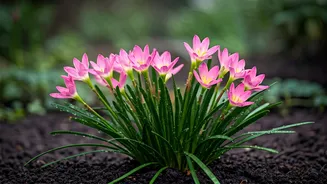
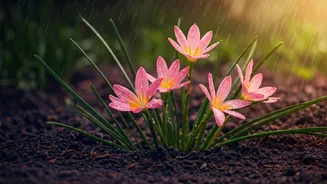
small, unassuming bulbs spend most of their time hidden and dormant underground. They aren’t flashy, demanding prima donnas of the plant world. They wait. But when the right conditions hit—specifically, a heavy soaking after a dry spell—they burst into a sudden, synchronized bloom, transforming a patch of green lawn or a sleepy flowerbed into an ethereal display. Often called fairy lilies, zephyr lilies, or storm lilies, they typically produce single, crocus-like flowers on slender, leafless stems. Depending on the species, these blooms can be brilliant white, sunny yellow, or a soft, blushing pink. Their beauty is ephemeral, often lasting only a few days before vanishing as quickly as they appeared. This fleeting performance is what makes them so captivating; they are a reward for enduring the storm, a floral spectacle tied directly to the drama of the weather.
The Science of the Sudden Bloom
This isn’t magic, but a brilliant survival strategy honed over millennia. Rain lilies are native to parts of the Americas, including the southern U.S. and Texas, where seasonal rains are a fact of life. The bulbs are programmed to respond to specific environmental triggers. The combination of a preceding dry period, which enforces dormancy, followed by the thorough drenching of a significant downpour, is the wake-up call. The influx of water signals to the bulb that conditions are ideal for flowering and setting seed. This rapid response allows the plant to take full advantage of the moisture before the hot sun dries the soil out again. It’s a calculated, high-speed reproductive cycle. While the exact biochemical mechanism is complex, involving hormones and changes in atmospheric pressure that some botanists theorize the plants can sense, the formula for the gardener is simple: drought + deluge = delight. This natural timer makes them one of the most responsive and dynamic plants you can grow, a living barometer for your garden.
Why It’s the Ultimate Garden Flex
In an era of meticulously manicured landscapes and high-maintenance hybrids, the rain lily represents a different kind of garden accomplishment. It’s a “soft flex.” Unlike a perfect, pesticide-sprayed rose or a towering, staked delphinium that screams, “I spent all weekend on this,” the rain lily’s flex is its effortlessness. It’s a testament to a garden that is in sync with nature, not one that’s fighting it. The flex isn't about control; it's about collaboration. Having a lawn suddenly erupt in a sea of pink or white lilies tells a story. It says you had the foresight to plant something that thrives on its own terms. It shows you value surprise and ephemerality over constant, predictable performance. It’s the horticultural equivalent of knowing a secret spot with a great view. You didn’t build the mountain; you just knew where to stand. This quiet, confident display is far more impressive than any hothouse flower because it’s a shared moment between you, your garden, and the sky.
Bringing the Magic Home
The best part about this subtle power move is how easy it is to achieve. Rain lilies are among the most low-maintenance bulbs you can plant. The key is to mimic their natural preferences. Plant the small bulbs in the fall or spring in a location that gets plenty of sun. They aren’t picky about soil but thrive in well-drained ground that won’t stay boggy. You can tuck them into lawn edges, group them in borders, or fill a container with them on your patio. The most important instruction? Forget about them. Over-watering or constantly fussing over them can discourage blooming. They need that period of relative dryness to set the stage for their rainy-day performance. Popular varieties include the white *Zephyranthes candida*, the pink *Zephyranthes rosea*, and the yellow *Zephyranthes citrina*. Plant dozens of them together for the most dramatic effect. Then, sit back and wait for the next big summer storm to deliver your reward.