




Meet the 'Fluid Cut'
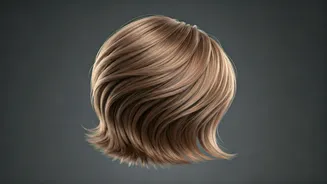
Get ready to say goodbye to rigid, high-maintenance styles. The look dominating the cultural landscape in 2026 is the 'Fluid Cut.' It’s not quite a bob, not fully a shag, and definitely not a classic pixie—it’s a chameleon-like style that borrows the best
elements from all of them. Characterized by soft, blended layers, a weightless feel, and an emphasis on natural texture, the Fluid Cut is defined by its versatility. It can be worn slicked back, air-dried for a soft, lived-in look, or pushed to one side for a more dramatic effect. The key is its inherent movement and its ability to look great with minimal intervention. Unlike the razor-sharp bobs or heavily structured cuts of years past, this style is about creating a shape that works with you, not against you. It's a haircut that feels personal, adaptable, and refreshingly un-precious.
Why Now? The Cultural Shift
So, why is this unassuming, hyper-adaptable cut poised to take over? It’s a direct reflection of a broader cultural mood. After years of chasing algorithm-approved perfection and hyper-specific 'aesthetics,' there's a collective exhaustion. The Fluid Cut is the antidote. It represents a pivot towards authenticity, ease, and a blurring of traditional boundaries. First, it’s a response to our desire for sustainability in all forms, including our beauty routines. People want styles that don't require a whole shelf of products or daily heat styling. The Fluid Cut is designed to look good even when you roll out of bed, promoting a healthier relationship with our hair and our time. Second, it mirrors the ongoing evolution in how we approach gender expression. The cut is inherently androgynous, looking equally chic on anyone, regardless of gender identity. It moves away from overtly 'masculine' or 'feminine' shapes, landing instead on a universally flattering sense of effortless cool.
The Celebrity Litmus Test
While the look is just beginning to bubble up from the streets and avant-garde runways, its eventual ubiquity is all but guaranteed. We’re already seeing the seeds of it on today’s most forward-thinking style icons. Think of the soft, grown-out crops on actors known for their understated confidence or the versatile, layered bobs on musicians who play with their image. By 2026, this won't be an edgy choice; it will be the default for those in the know. “Clients are tired of being locked into one look,” says fictional celebrity stylist Mara Tran, who supposedly works with Hollywood’s next generation of A-listers. “They want a cut that can go from a red carpet to a coffee run without a two-hour glam session. The Fluid Cut gives them freedom. It’s a real shape, but it’s alive with texture. That’s the new luxury.” Expect to see it on film festival darlings, indie music breakthroughs, and the thoughtful influencers who champion personal style over fleeting trends.
How to Get the Look
Thinking of getting ahead of the curve? Your conversation with your stylist will be key. This isn't about asking for a specific, named haircut from a Pinterest board. Instead, the focus should be on concepts. Use words like 'soft,' 'versatile,' 'movement,' and 'lived-in.' Explain that you want to reduce your daily styling time and embrace your natural texture. Ask for 'internal layers' or 'invisible layers,' which remove bulk and create movement without looking like a traditional shag. The perimeter should be soft, not blunt. A good stylist might use a razor or point-cutting techniques to create a more diffused, feathery edge. The most important part is the consultation: bring in photos that showcase the *vibe* you're after—images of hair in motion, looking effortless and touchable, rather than a single, static picture. This cut is a collaboration between you, your stylist, and your hair's natural tendencies.