





A Spectacle of Unimaginable Scale
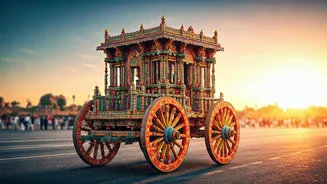
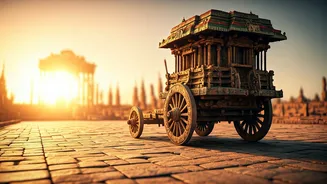
Before you can understand the 'why,' you have to grasp the sheer scale. Every year in the coastal city of Puri in Odisha, three colossal chariots are built from scratch. These aren't simple floats; they are mobile temples, adorned with vibrant fabrics,
intricate carvings, and massive wheels. The largest, for Lord Jagannath, stands about 45 feet tall and weighs hundreds of tons. The energy is electric and almost overwhelming. The air fills with the sounds of gongs, conch shells, and the chanting of millions of devotees. For anyone seeking an experience that feels ancient, grand, and utterly undiluted by modern commercialism, the visual and auditory overload of Rath Yatra is the first point of obsession. It’s a sensory feast that photos can only hint at.
The Divine Journey at Its Heart
This isn't just a parade; it's a sacred narrative brought to life. The festival celebrates the annual journey of Lord Jagannath—an avatar of Vishnu—along with his elder brother Balabhadra and sister Subhadra. According to tradition, the deities leave their home in the main Jagannath Temple to travel to their aunt's residence, the Gundicha Temple, for a nine-day vacation. This act of the gods coming out to meet the public is profoundly significant. In Hinduism, seeing the deity (an act called *darshan*) is a form of worship that confers blessings. During Rath Yatra, the gods make themselves accessible to everyone, regardless of caste, creed, or background, breaking down the formal barriers of temple worship. It’s a beautifully simple story: the Lord of the Universe goes on a holiday, and everyone is invited to come along.
Rituals That Erase All Divides
The obsession for culture seekers often deepens when they discover the festival’s radical inclusivity. Two rituals stand out. The first is *Pahandi*, the moment the deities are brought out of the temple. These massive wooden idols are rocked and swayed in a ceremonial procession, as if they are coaxed lovingly by the priests. It’s an intimate, humanizing act. Even more powerful is *Chhera Panhara*. Here, the Gajapati King of Puri, the highest royal authority, performs the duties of a humble sweeper. He sweeps the chariot platforms with a golden-handled broom before the journey begins, demonstrating that in the eyes of the divine, everyone is a servant. This powerful symbolism, combined with the fact that anyone can help pull the chariots' thick coir ropes, creates a profound sense of unity and shared purpose that is rare in the modern world.
More Than a Festival, A Living Tradition
What truly captivates culture explorers is the authenticity of the event. The Rath Yatra isn't a reenactment or a tourist show; it is a living, breathing tradition that has continued unbroken for centuries. The knowledge of how to build the chariots is passed down through specific families of artisans. The rituals are performed with a precision born of deep faith and historical memory. The entire community is involved, from the carpenters and painters to the priests and the millions of pilgrims who travel from across India and the globe. This isn't something you can replicate or experience in a museum. It’s a chance to step into a stream of collective devotion that feels as powerful and relevant today as it did hundreds of years ago, offering a direct connection to a culture’s spiritual heart.