


Why June Is the Magic Month
Pruning can feel counterintuitive, like you’re hurting the plant you’ve worked so hard to nurture. But think of it less as surgery and more as a strategic haircut. In June, most plants in the U.S. have entered their most active growth phase. The days
are long, the sun is strong, and their internal engines are running at full throttle. When you prune now, you’re not just removing unwanted branches; you’re tapping into this momentum. The plant will recover almost immediately, channeling its energy into producing lush, healthy new leaves and stems. Pruning in winter can leave a plant vulnerable, while pruning in late summer can cut off growth that won't have time to harden before the first frost. June is the sweet spot—it’s all about working with your plant’s natural rhythm to encourage its best self.
Your Simple Pruning Toolkit
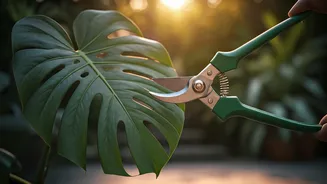
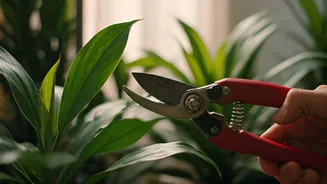
You don't need a professional landscaper's arsenal. For 90% of household pruning tasks, a few simple tools will suffice. The most important rule is to start with clean tools to avoid spreading diseases between plants. * **Bypass Pruners:** These are your go-to. They work like scissors, with two curved blades that pass each other to make a clean cut. They’re perfect for live stems and branches up to a half-inch thick. * **Rubbing Alcohol or Bleach Wipes:** Before you start and after you finish with each plant, wipe down your blades. This simple step prevents the transfer of fungal spores or bacteria. * **Gardening Gloves:** A good pair will protect your hands from thorns, sticky sap, and blisters. * **A Small Folding Saw:** For woody shrubs with branches thicker than your thumb, a small pruning saw offers more power without tearing the bark.
The Outdoor Chop List
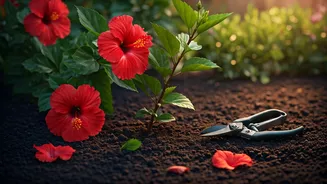
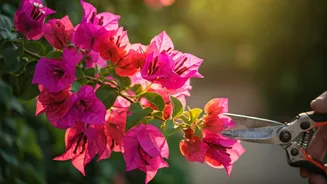
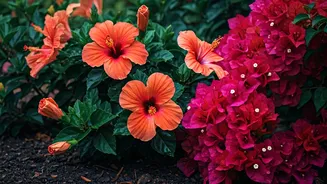
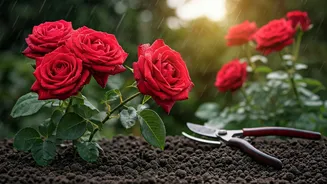
Many of your garden favorites are ready for their June trim. The key is knowing which ones. The general rule is to prune spring-flowering shrubs right after they finish blooming. If you prune them earlier, you'll cut off the flower buds for the season. * **Spring-Flowering Shrubs:** Just finished enjoying your lilacs, forsythias, or rhododendrons? Now is the time to shape them and remove any dead wood. This gives them the entire summer to develop the buds that will become next year's flowers. * **Many Roses:** For repeat-blooming roses, a light pruning after their first big flush of flowers will encourage a second wave. Snip off the spent blooms, a practice known as “deadheading,” cutting the stem back to the first five-leaf leaflet. * **Hedges:** If you want a tidy, formal hedge (like boxwood or privet), a light shear in June will keep it looking sharp as it puts on its summer growth. * **Herbaceous Perennials:** Pinching back plants like mums, asters, and bee balm now will prevent them from getting leggy and flopping over later in the season. It encourages a bushier, sturdier plant with more blooms.
The Indoor Refresh
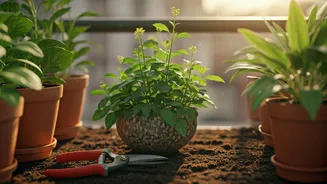
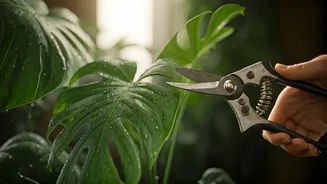
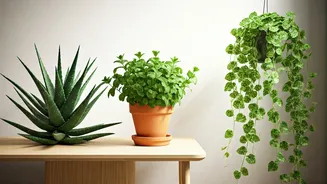
Your houseplants are also in their prime growing season and can benefit immensely from a June trim. Trailing plants, in particular, can get long and sparse over the winter. * **Leggy Vining Plants:** Is your Pothos or Philodendron looking more like a string than a plant? Don't be afraid to cut those long vines back. You can trim them by a third or even a half. This will force the plant to send out new growth points closer to the base, resulting in a fuller, bushier appearance. Plus, you can propagate the cuttings in water to make new plants! * **Fiddle Leaf Figs & Rubber Plants:** You can encourage these treelike plants to branch out by “notching” or trimming the top. If you cut off the top few inches of the main stem, it will often trigger the plant to grow two or more new branches from just below the cut. * **General Maintenance:** For all houseplants, June is a great time to remove any yellowing or dead leaves. Snip them off at the base. This not only improves the plant's appearance but also directs energy toward healthy growth.
Three Golden Rules of Pruning
Feeling nervous about making the first cut? Just follow these simple principles. 1. **Remove the 4 D's:** Always start by looking for anything that is **Dead, Damaged, Diseased, or Deranged** (e.g., branches that are rubbing against each other or growing in the wrong direction). Removing this material is pure benefit. 2. **Make Clean, Angled Cuts:** When removing a stem or branch, make your cut at a 45-degree angle about a quarter-inch above a leaf node or a side branch. The angle allows water to run off, preventing rot. 3. **The One-Third Rule:** As a general guideline, never remove more than one-third of the plant's total mass at one time. A light trim is always safer than a drastic one.