



Why Your Cat's Environment Matters
To understand a hyperactive cat, it helps to think like a cat. Our feline friends are natural predators hardwired with instincts to climb, hunt, hide, and survey their territory. A sterile, unchanging indoor environment can be profoundly boring and stressful
for them. This under-stimulation often manifests as what we call 'hyperactivity'—it's really just pent-up energy and anxiety with nowhere to go. Feline behaviorists refer to the solution as 'environmental enrichment.' This fancy term means making your home a more engaging, instinct-friendly space. By providing outlets for natural behaviors, you can significantly reduce stress and promote a sense of security, leading to a more settled and contented cat.
Decoding a 'Green' Environment
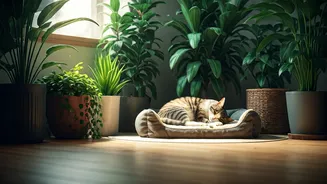
When we talk about a 'green' environment for a cat, it's about more than just the color. It’s about bringing the complexity and sensory richness of the outdoors *inside* in a safe, controlled way. This multi-sensory approach taps into a cat's natural inclinations. It involves incorporating natural elements that appeal to their sight, smell, and touch. Think varied textures, vertical spaces that mimic trees, and safe, cat-friendly plants that offer new smells and things to investigate. It's about transforming a static living room into a miniature, stimulating ecosystem where your cat can feel both engaged and secure.
Think Vertically: A Cat's-Eye View
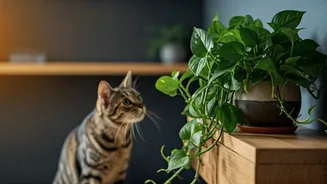
In the wild, height means safety. A high perch allows a cat to spot potential threats and opportunities from a secure vantage point. You can replicate this crucial element at home. Go beyond a single cat tree. Install sturdy wall shelves (carpeted for grip), secure taller bookcases with clear space on top, or invest in window perches that give your cat a front-row seat to the 'cat TV' of birds and squirrels outside. Integrating natural materials like untreated wood or sisal rope on these structures can make them even more appealing. Providing vertical territory helps reduce conflict in multi-cat households and gives an anxious cat a safe retreat, allowing them to relax and observe the world on their own terms.
Bring the Garden Indoors (Safely!)
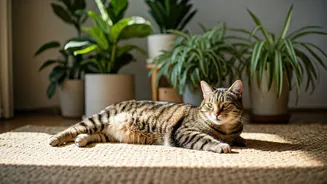
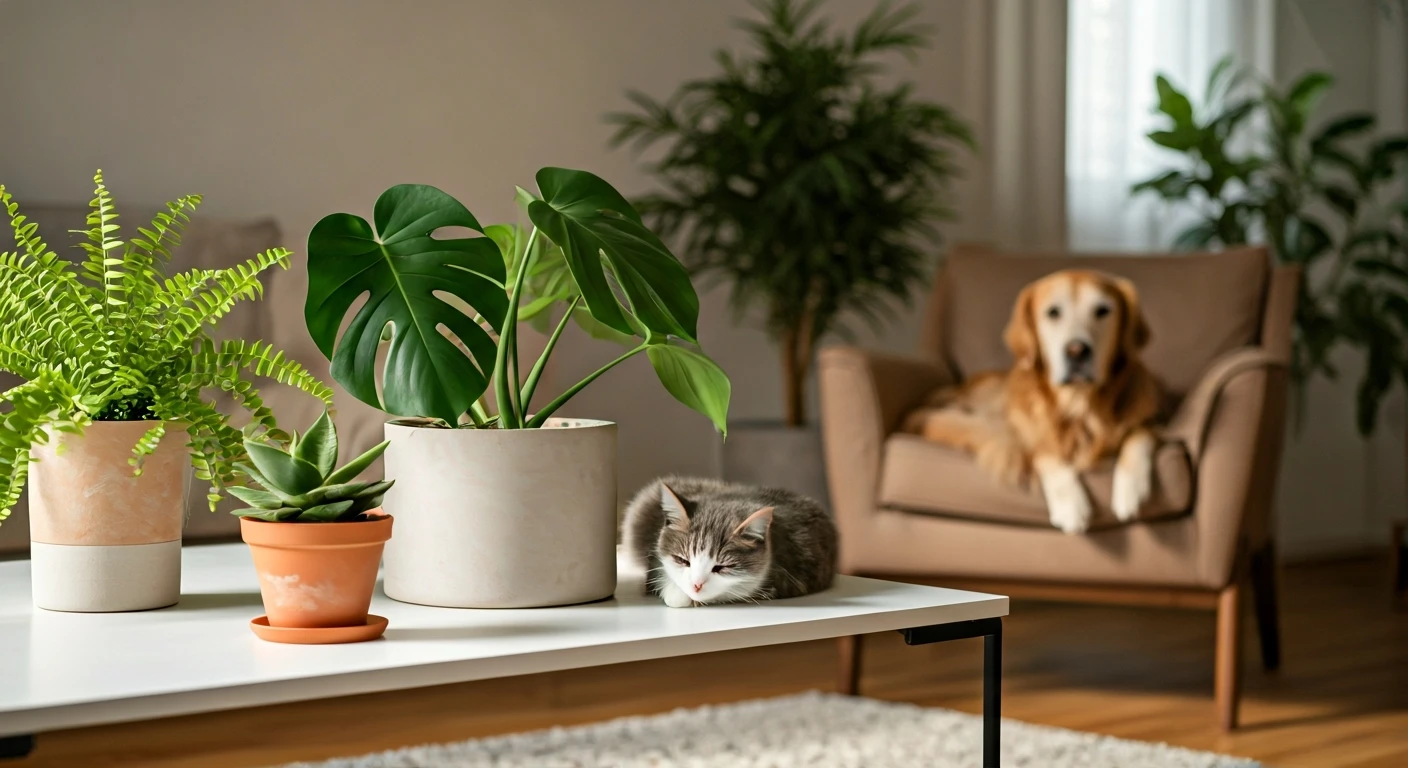
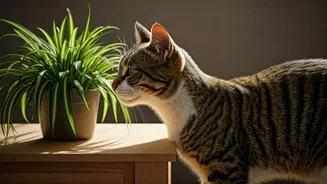
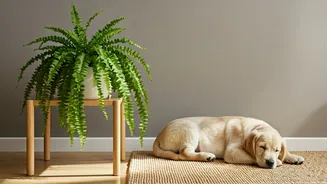
Plants are a fantastic way to add a 'green' touch, but safety is paramount. Many common houseplants are highly toxic to cats. Lilies, for instance, are extremely dangerous and can cause fatal kidney failure from a single bite or even contact with the pollen. Before bringing any plant home, do your research. The ASPCA maintains an extensive, searchable database of toxic and non-toxic plants for pets. For a guaranteed win, stick to cat-safe options like spider plants, Boston ferns, prayer plants, and the ever-popular cat grass or catnip. Placing these in accessible (but not-too-easy-to-knock-over) spots allows your cat to safely sniff, rub against, and even nibble on them, providing a novel and enriching sensory experience.
Beyond Plants: Natural Textures and Scents
Enrichment isn't just visual. Cats experience the world intensely through touch and smell. Swap out synthetic-heavy materials for natural ones. A jute or sisal scratching post offers a more satisfying texture for claw-sharpening than a carpeted one. A wool blanket or a simple cardboard box can provide a comforting and intriguing new spot for a nap. Even a branch from your yard (baked on low heat to kill any bugs) can become a fascinating object to explore. While many essential oils are toxic to cats, natural, cat-specific scents like silver vine or valerian root can have a calming or playful effect. By diversifying the textures and smells in your home, you give your cat's brain a gentle, constant workout, reducing the need for frantic, stress-induced behavior.