


The Allure and the Risk
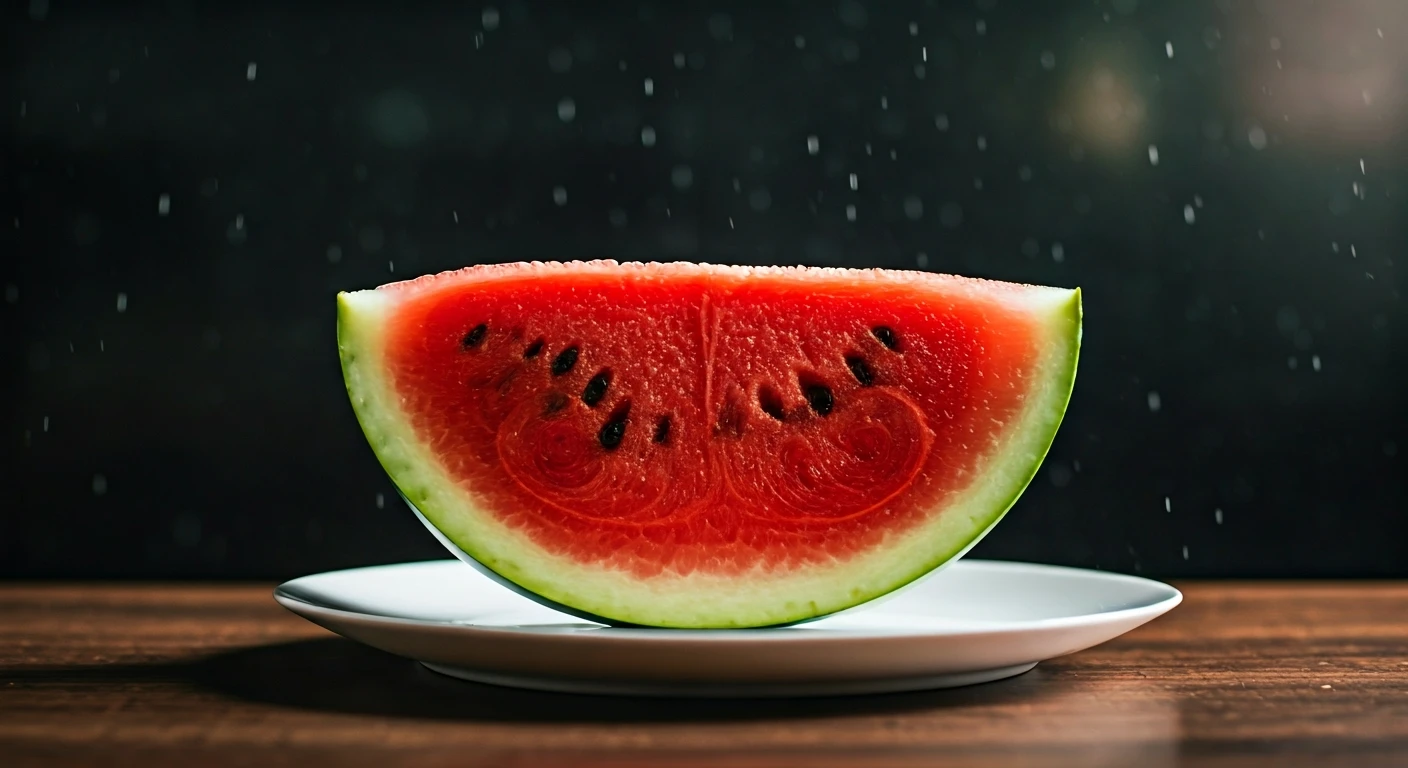
There’s nothing quite like a fresh, chilled cup of fruit from a street cart. It’s convenient, seemingly healthy, and instantly refreshing. But food safety experts have long cautioned consumers about the inherent risks of pre-cut produce. Once a fruit’s
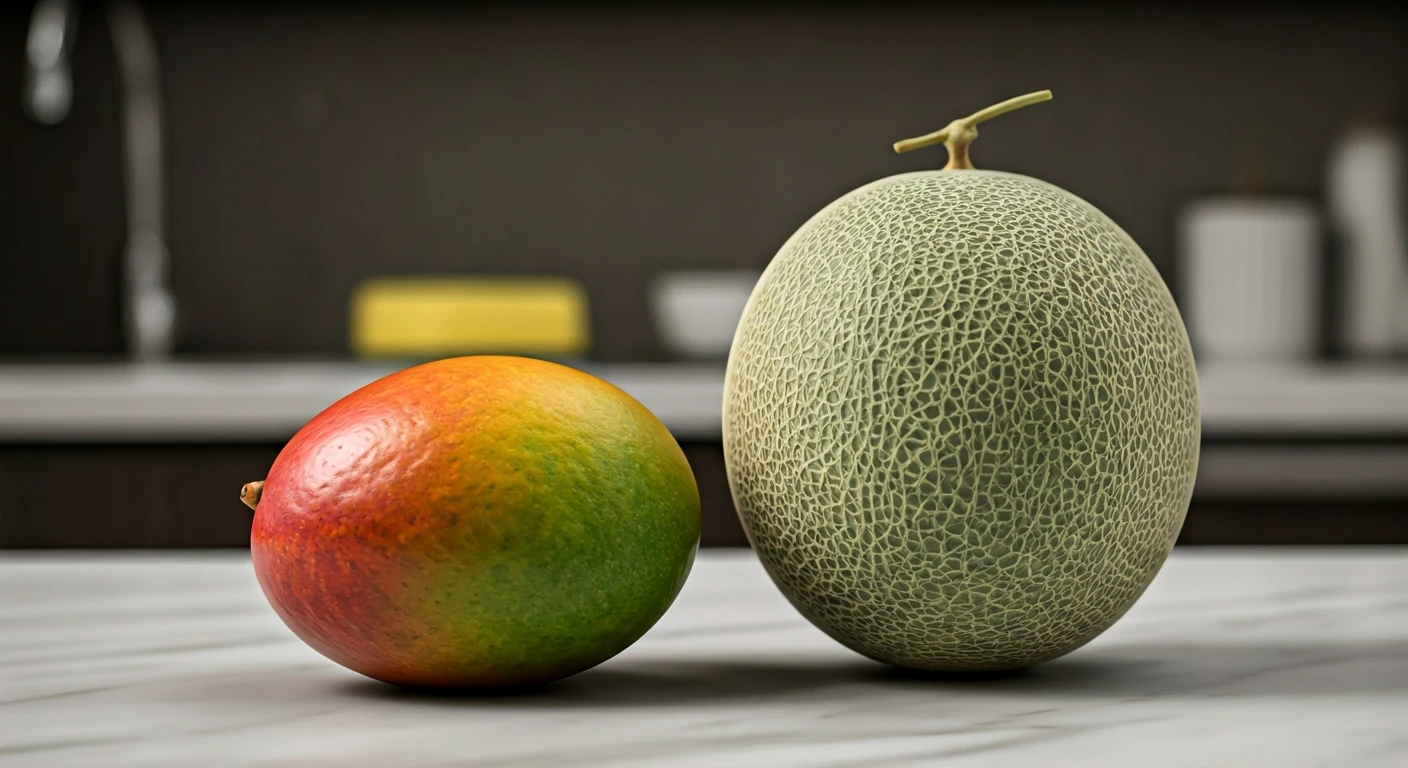
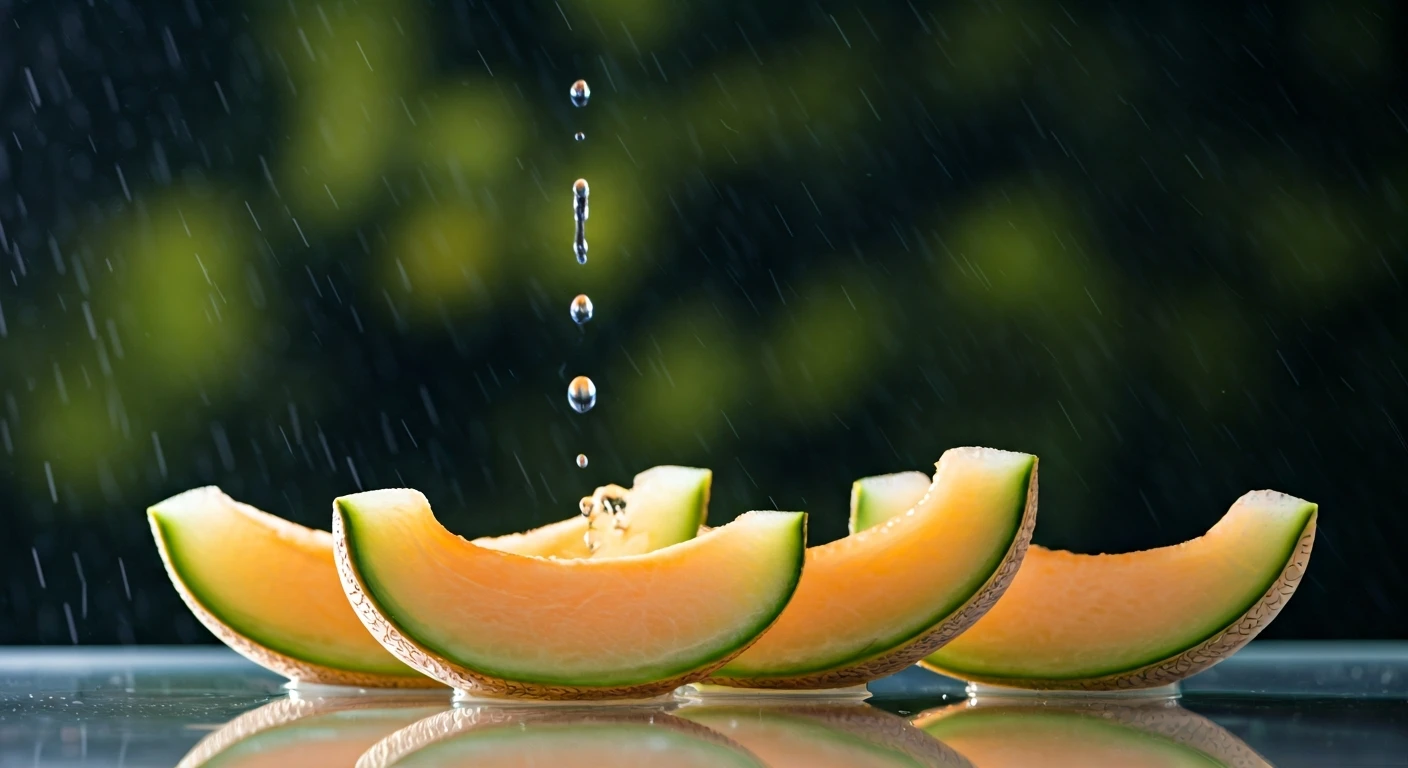
protective peel or rind is broken, its sugary, moist flesh becomes an ideal breeding ground for bacteria. Unlike fruit you cut at home, you have no control over the cleanliness of the knife, the cutting board, the vendor’s hands, or how long the fruit has been sitting out. High-risk fruits like cantaloupe, with their netted skin that can trap bacteria, are particularly notorious. When cut, bacteria on the rind can be transferred directly to the edible portion, where it can multiply rapidly, especially in warm weather.
Why Rain Makes Everything Worse
The “rainy warning” isn’t just about the fruit getting a little wet. It’s about a dramatic increase in the risk of serious contamination. When it rains in a city, the water doesn’t just fall from the sky; it hits streets, sidewalks, and buildings, collecting everything in its path. This runoff can contain animal feces, dirt, oil, garbage residue, and a host of dangerous bacteria like E. coli and Salmonella. Roadside fruit stands are often low to the ground and exposed. A passing car driving through a puddle can splash this contaminated street water directly onto the stand’s surfaces—the cutting boards, the display containers, the utensils, and the fruit itself. A vendor might simply wipe a surface dry, but that does little to remove the invisible microbes that have just been introduced. This splash-back effect turns a simple rain shower into a major contamination event.
The Microbial Culprits to Know
Not all bacteria are created equal, and some have a particular affinity for cut fruit. Understanding them helps clarify the stakes. * **Listeria monocytogenes:** This is a particularly tough bacterium that can grow even at refrigerated temperatures. It's found in soil and water and can easily contaminate produce. For most people, it causes mild flu-like symptoms, but for pregnant women, newborns, the elderly, and those with weakened immune systems, a Listeria infection can be severe or even fatal. Cantaloupes have been linked to major Listeria outbreaks in the past. * **Salmonella:** Often associated with raw eggs and poultry, Salmonella is also frequently found in contaminated water and soil. It can cause fever, diarrhea, and abdominal cramps. It thrives on cut melons and other fruits left at room temperature. * **E. coli:** While many strains of E. coli are harmless, some, like E. coli O157:H7, can cause severe illness, including bloody diarrhea and kidney failure. Contamination often occurs when water containing animal or human waste comes into contact with produce.
How to Be a Smarter Consumer
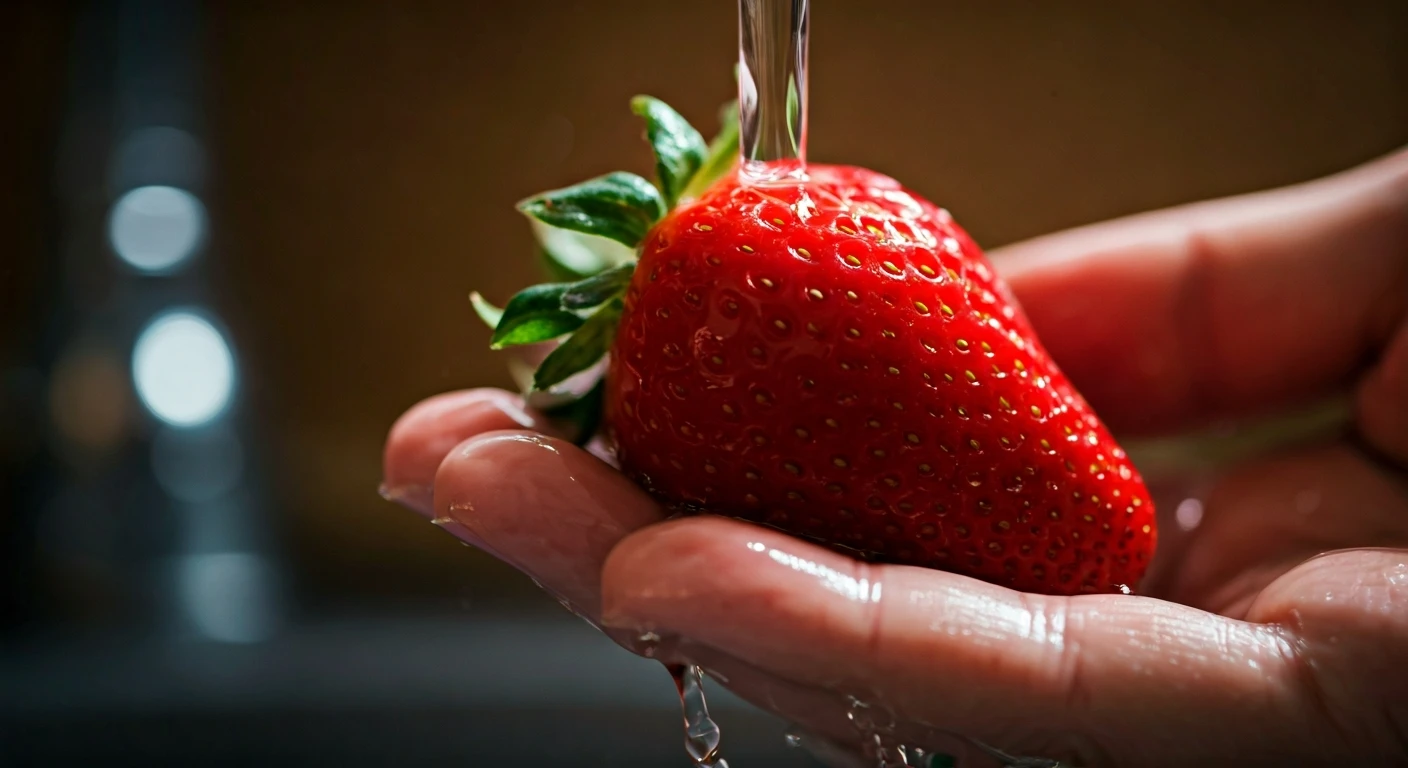
This doesn’t mean you have to swear off street fruit forever. It means you need to become a vigilant observer. Before you buy, assess the vendor’s setup with a critical eye, especially on a damp day. * **Look for protection:** Is the fruit covered or behind a sneeze guard? Is the cart elevated off the ground to minimize splash-back from the street? * **Check for cleanliness:** Does the vendor have a station for hand washing with soap and water? Are they using gloves, and do they change them regularly? Are the cutting boards and knives visibly clean and not worn down with deep grooves where bacteria can hide? * **Assess the temperature:** Is the fruit being kept on ice? Bacteria multiply much faster in the “danger zone” between 40°F and 140°F. If the fruit looks warm or has been sitting in the sun, it’s best to pass. * **Consider the source:** If possible, opt for whole fruit that you can wash and cut yourself. It’s the safest way to enjoy nature’s candy without the added risk.