


The Old Rule: The 8-Glass Myth
Let's start by retiring the most famous hydration rule of all. The “8x8 rule”—eight 8-ounce glasses of water daily—was never based on hard science. It’s a vague, one-size-fits-all guideline that ignores crucial factors like your body size, activity level,
climate, and overall health. While it served as a decent starting point, treating it as a rigid command can be misleading. For a 200-pound construction worker in Arizona, 64 ounces is likely insufficient. For a 120-pound office worker in a climate-controlled building, it might be more than enough. The new thinking isn't about hitting a magical number of glasses but about understanding your body’s unique needs. Water intake is not a universal constant; it's a dynamic variable.
The New Rule: It's About Electrolytes, Too
The smartest shift in hydration thinking is the focus on electrolytes—minerals like sodium, potassium, and magnesium that carry an electric charge. When you sweat, you don't just lose water; you lose these vital minerals. Chugging plain water to replace significant sweat loss can actually be counterproductive. It can dilute the concentration of electrolytes in your bloodstream, a potentially dangerous condition called hyponatremia. This is why you feel so much better after drinking a sports drink or electrolyte powder following intense exercise or a long day in the sun. Sodium, in particular, is the MVP of hydration, as it helps your body hold on to the water it needs. So, for active summer days, a little salt isn't the enemy—it's an essential part of the hydration equation.
The New Rule: Eat Your Water
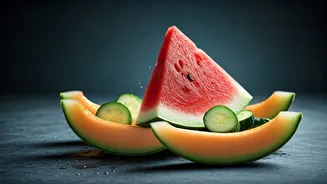
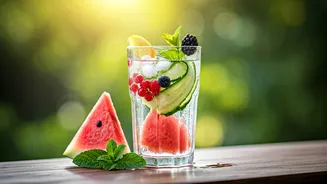
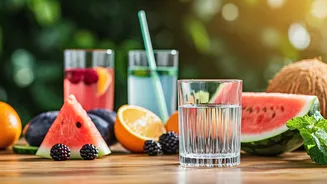
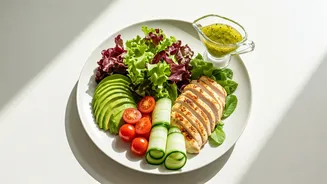
Hydration doesn’t just come from a bottle. A significant portion of our fluid intake, estimated to be around 20%, comes from the food we eat. This is where you can get strategic, especially in the summer. Water-rich fruits and vegetables are essentially nature's sports drinks, providing both fluids and electrolytes. Think of watermelon and cucumber (both over 90% water), strawberries, oranges, and even leafy greens. These foods hydrate you slowly and effectively, delivering a nutrient-packed punch at the same time. Instead of just focusing on drinking more, consider building a hydrating plate. A big salad with cucumbers and tomatoes or a fruit platter on a hot afternoon is a delicious and highly effective way to top up your fluid levels.
The New Rule: Thirst Is a Good Guide, Mostly
For years, we were told, “If you’re thirsty, it’s already too late.” This has been largely debunked for the average person in everyday situations. Thirst is an incredibly well-honed physiological signal. Your brain is an expert at monitoring your body’s fluid balance and will alert you when it's time to drink. For most daily activities, simply drinking when you feel thirsty is a perfectly effective strategy. The exception is during intense, prolonged exercise or for older adults, whose thirst mechanisms can become less reliable. A simple, practical way to monitor your hydration status is the color of your urine. Aim for a pale, lemonade-like color. If it’s dark like apple juice, it's a clear sign you need to drink more fluids. If it’s completely clear, you might be overdoing it and can ease up.
The New Rule: Personalize Your Plan
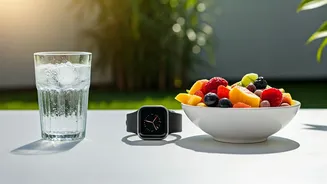
The ultimate takeaway of modern hydration is that it’s personal. The right amount and type of fluid for you depend entirely on your context. Are you heading out for a 90-minute run in the humidity? You'll need to pre-hydrate and bring an electrolyte drink. Are you spending the day at a desk? Water and a hydrating lunch might be all you need. Pay attention to how you feel. Signs of dehydration aren’t just thirst; they can include fatigue, headache, dizziness, and irritability. As the summer progresses, learn to read your body’s signals and tailor your hydration strategy accordingly. This is the essence of 'smart' hydration: moving from a passive, rule-based approach to an active, intuitive one.