





The Downfall of the Crash Diet
Before we build a better plate, let's understand why extreme diets so often fail. Crash diets—whether they involve cutting out entire food groups, severely restricting calories, or surviving on juice—promise quick results. And sometimes, they deliver,
at least initially. But the price is steep. They can slow your metabolism, as your body enters 'starvation mode' and learns to function on less energy, making future weight management even harder. They can also lead to nutrient deficiencies, fatigue, and a fraught relationship with food, where you're constantly fighting cravings. The biggest issue is sustainability. These diets are, by design, temporary. When you inevitably return to normal eating, the rebound effect can be swift, often leaving you right back where you started, only more frustrated.
Anatomy of a Balanced Plate
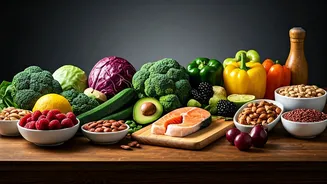
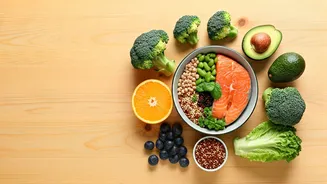
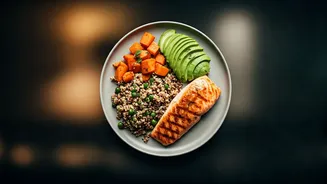
The balanced plate isn’t a rigid diet with a fancy name; it’s a simple, visual framework for building satisfying and nourishing meals. While specifics can vary based on individual needs, the guiding principle is consistent. Imagine your plate divided into sections. The most popular models, like those from Harvard's School of Public Health or the USDA's MyPlate, suggest a simple formula: Fill half your plate with colorful fruits and vegetables. These provide essential fiber, vitamins, and minerals with relatively few calories. Dedicate one-quarter of your plate to a high-quality protein source. The final quarter should be filled with complex carbohydrates, preferably whole grains. A healthy fat source completes the picture, either incorporated into the cooking process or added as a topping.
The Macronutrient Dream Team
The power of the balanced plate lies in the synergy of its components, particularly the three macronutrients: protein, carbohydrates, and fats. Protein (found in meat, fish, beans, tofu) is the building block for muscle and tissue, and it's crucial for satiety, helping you feel full and satisfied. Carbohydrates (like sweet potatoes, brown rice, and quinoa) are your body's primary energy source, fueling your brain and muscles. Choosing complex, high-fiber carbs ensures a slow, steady release of energy, preventing the spike and crash associated with simple sugars. Finally, healthy fats (from sources like avocado, olive oil, and nuts) are essential for hormone production, vitamin absorption, and brain health. Together, they create a meal that powers your body, satisfies your hunger, and stabilizes your energy levels for hours.
Simple Steps to Start Building
Adopting this approach doesn't require a kitchen overhaul or a degree in nutrition. It's about small, consistent shifts. Start by focusing on one meal a day, like lunch. Instead of just a sandwich, deconstruct it: place your turkey on a bed of greens (half your plate), add a side of whole-grain crackers (your carb), and a few slices of avocado (your fat). When cooking dinner, make a conscious effort to 'add color.' Throw a handful of spinach into your pasta sauce or roast a tray of bell peppers and broccoli alongside your chicken. Another easy tip is to prioritize protein. Building your meal around a solid protein source often makes it easier for the other components to fall into place and ensures your meal will have staying power.