


Think of Your Scalp as Skin
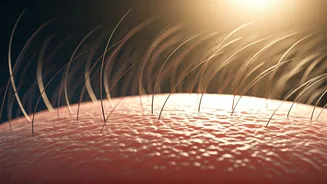
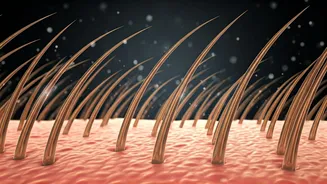
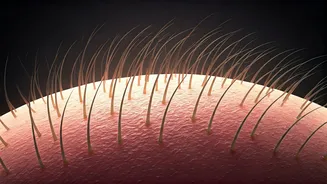
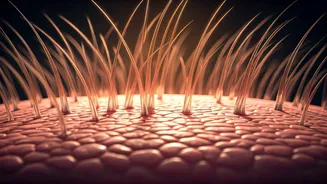
The single biggest mindset shift is to stop thinking of your scalp as just the place where hair grows and start treating it like the skin it is. Just like the skin on your face, the scalp has a microbiome, pores (follicles), and oil glands. It sweats,
sheds dead cells, and is exposed to environmental pollutants. When it's out of balance—too oily, too dry, or clogged—it can’t provide the optimal environment for hair follicles to thrive. This can lead to everything from dullness and breakage to slower growth and even hair thinning. A consistent scalp care routine is the same as a skincare routine: it requires cleansing, balancing, and moisturizing.
The Problem with Product Buildup
In our quest for perfect hair, we often inadvertently sabotage our scalps. Dry shampoo, hairspray, texturizing mousse, and even heavy conditioners can leave behind a residue that builds up over time. This accumulation, combined with natural oils and dead skin cells, can clog hair follicles. A clogged follicle is an unhealthy one. It can become inflamed, restricting hair growth and sometimes leading to weaker, thinner strands. If your hair feels consistently limp, greasy at the roots even after washing, or if your scalp feels itchy and irritated, product buildup is a likely culprit. A clarifying shampoo used once or twice a month can help reset the canvas, but daily habits are what matter most.
Cleanse Correctly, Don't Strip
Washing your hair is really about washing your scalp. The goal is to remove excess oil, dirt, and product without stripping the scalp of its natural, protective oils. Harsh, sulfate-heavy shampoos can be too aggressive, triggering your scalp to overproduce oil to compensate, leading to a vicious cycle of greasy roots and dry ends. Look for gentle, sulfate-free cleansers and focus your massage on the scalp, letting the suds run down to cleanse your strands. How often you wash depends on your scalp type. Oily scalps may need daily washing, while drier scalps might be fine with two or three times a week. Pay attention to how your scalp feels a day after washing to find your ideal rhythm.
Exfoliation Is Not Just for Your Face
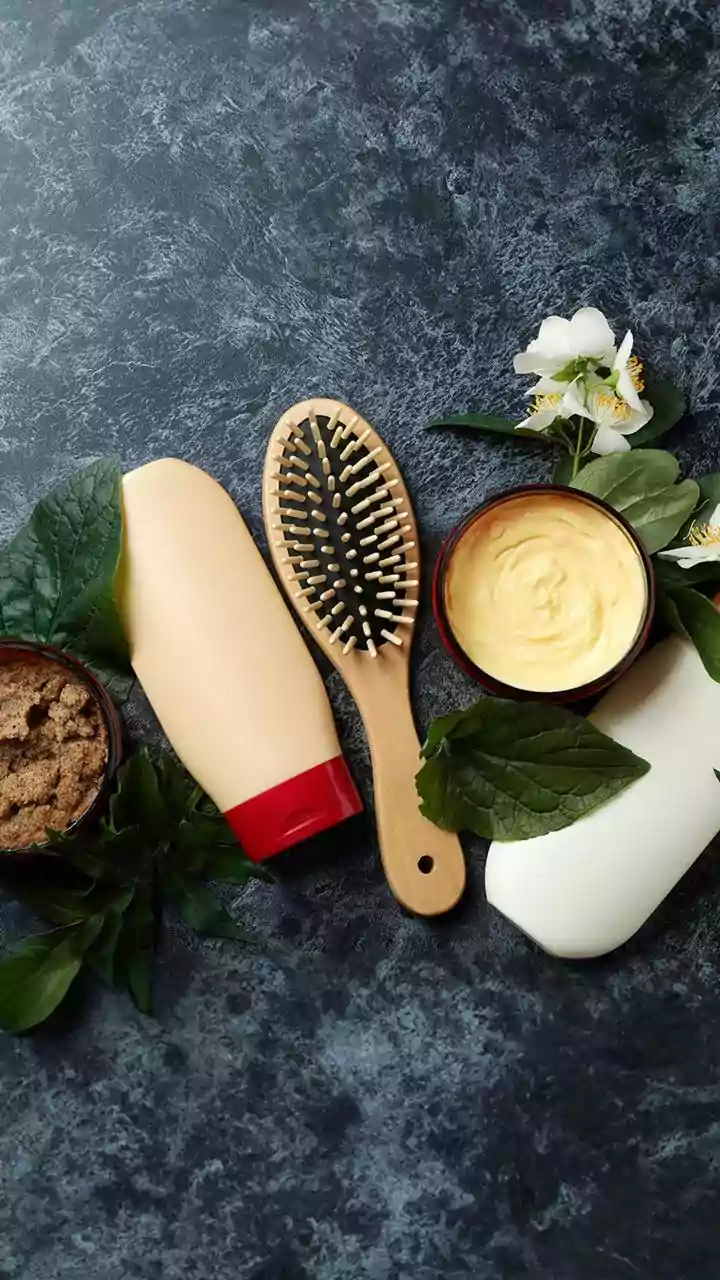
Just as you exfoliate your face to remove dead skin cells and promote cell turnover, your scalp benefits from the same treatment. Scalp exfoliation helps to deep clean follicles, lift away product buildup, and slough off dead skin that can cause flakiness. There are two main types: physical exfoliants (like scrubs with sugar or salt) and chemical exfoliants (serums or shampoos with ingredients like salicylic or glycolic acid). Physical scrubs offer immediate satisfaction, but be gentle to avoid causing micro-tears. Chemical exfoliants work over time to dissolve the bonds holding dead cells to the surface. Incorporating a scalp exfoliant into your routine once a week is a powerful step toward a healthier foundation.
Hydrate and Nourish the Roots
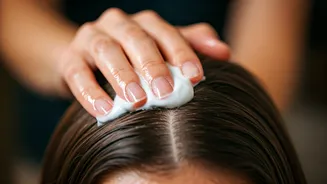
A dry, tight, or itchy scalp is a stressed scalp. Just as dehydrated skin on your face looks dull, a dehydrated scalp can’t support healthy, vibrant hair. After cleansing and exfoliating, it’s important to replenish moisture. Look for lightweight, non-comedogenic scalp serums, oils, or leave-in treatments. Ingredients like hyaluronic acid, a superstar hydrator in facial skincare, are now common in scalp products. Others, like peppermint or tea tree oil, can provide soothing and anti-inflammatory benefits. Apply these directly to the scalp, parting the hair in sections and massaging them in gently before or after washing, depending on the product instructions.
Boost Circulation with Massage
One of the easiest, most effective, and free things you can do for your scalp is to give it a regular massage. Using the pads of your fingers, apply gentle to medium pressure and move in small circles all over your head for three to five minutes a day. This simple act does two crucial things: it helps to loosen dead skin cells and product buildup, and more importantly, it stimulates blood flow to the area. Increased circulation brings more oxygen and essential nutrients to your hair follicles, which is critical for promoting strong, healthy hair growth. You can do it in the shower while shampooing or on a dry scalp while watching TV—consistency is key.