


The End of an Era
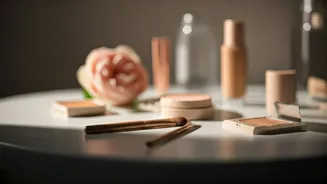
Remember the ‘clean girl’ aesthetic? It was inescapable. Think slicked-back buns, gold hoops, and a face that whispered ‘I woke up like this’—even if it took ten meticulously applied products to achieve. From Hailey Bieber’s glazed donut skin to the endless
tutorials on achieving the perfect no-makeup makeup, minimalism wasn’t just a trend; it was a lifestyle. It promised effortless perfection, a look that was healthy, wealthy, and wise. The goal was to look like you weren’t trying, to blur the line between skincare and makeup until your face was a monument to subtle, expensive-looking wellness. It was beautiful, aspirational, and for many, completely exhausting. The pressure to appear naturally flawless, without a visible pore or blemish in sight, set an impossibly high bar that felt more restrictive than freeing.
The Backlash to Beige
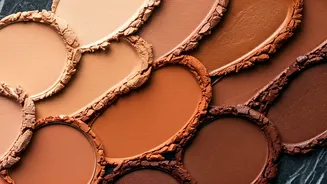
Like any trend that dominates for too long, minimalist fatigue was inevitable. Social media feeds once filled with beige color palettes and dewy highlighters began to feel monotonous. The aesthetic, which started as a fresh take, began to feel like a uniform. More than that, it felt inauthentic. In a world grappling with uncertainty, the pretense of effortless perfection started to ring hollow. Why should our makeup be quiet when everything else felt so loud? The clean girl aesthetic, with its focus on hiding imperfections, left little room for personality, creativity, or fun. It was less about self-expression and more about conforming to a narrow, often exclusive, standard of beauty. People grew tired of hiding; they wanted to play again.
Enter: The Drama
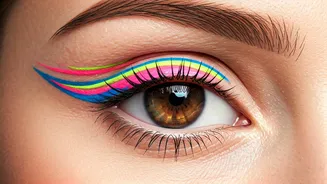
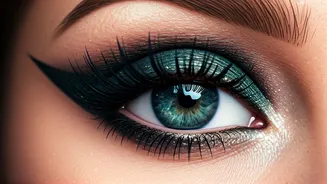
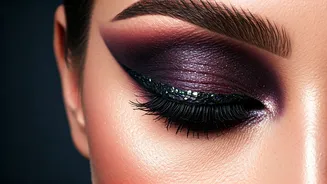
The pendulum has swung, hard. In place of sheer foundation, we now have the ‘mob wife’ aesthetic, with its full-coverage base, smoky eyes, and sharply defined, overlined lips. Instead of a whisper of blush, trendsetters are embracing bold, draped blush that sculpts the face. The delicate cat-eye has been replaced by smudgy, '90s-inspired grunge liner or dramatic, graphic shapes. Darker, moodier looks like ‘espresso makeup’—rich with deep browns and blacks—have eclipsed the lighter ‘latte makeup’ of last year. This new wave isn't about looking ‘natural’ or ‘effortless.’ It’s about making a statement. It’s about the joy of artistry, the transformation, and the power of a look that enters the room before you do. It’s makeup as costume, as armor, as a form of pure, unadulterated play.
More Than Just Makeup
This shift isn't just about swapping lip gloss for a dark lipstick. It reflects a deeper cultural desire for authenticity and self-expression. After years of curated perfection online, there’s a collective craving for something real, even if that ‘real’ is a theatrical, heavily made-up face. This new maximalism allows for flaws and experimentation. A smudged eyeliner isn't a mistake; it’s part of the look. It’s a rejection of the idea that beauty must be subtle to be acceptable. It gives people permission to be bold, to take up space, and to reflect their inner mood on their outer self, whether that’s glamorous, angsty, or powerful. It’s a return to the idea that makeup’s primary purpose isn’t to correct, but to create. It’s not about looking pretty for others; it's about feeling interesting to yourself.