

Beyond the Buffet
For decades, the American experience of Indian food was often defined by the lunch buffet: a long steam table of familiar, albeit delicious, dishes like chicken tikka masala, saag paneer, and mountains of naan. It was a comforting, predictable introduction
to a complex cuisine. But a culinary evolution is underway, driven by a new generation of Indian-American chefs and food entrepreneurs who are looking past the dining hall and toward the bustling streets of Mumbai, Delhi, and Kolkata for inspiration. They're deconstructing classic dishes, embracing bold flavors, and presenting them in formats that feel distinctly modern and American: small, shareable plates that encourage tasting, conversation, and a more casual, dynamic dining experience. This isn't about abandoning tradition; it’s about confidently remixing it.
The Delicious Chaos of Chaat
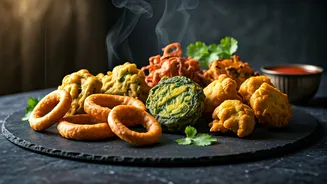
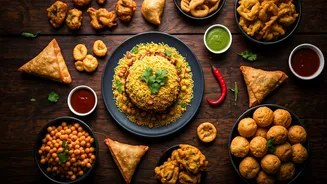
At the heart of this movement is chaat, a broad category of savory snacks that are the lifeblood of Indian street food culture. Chaat is a multisensory explosion: a mix of crunchy, crispy, soft, and chewy textures combined with a symphony of sweet, sour, spicy, and tangy flavors. Think of bhel puri, a mix of puffed rice, crunchy noodles (sev), chopped onions, potatoes, and chutneys, or pani puri, where hollow, crispy spheres are filled with spiced water, tamarind chutney, and chickpeas. These dishes are inherently interactive and quick. Restaurants like Chai Pani in Asheville, North Carolina—which won a James Beard Award for America's most outstanding restaurant—built their reputation on celebrating the “delicious chaos” of chaat. By putting these snacks front and center, they offer a completely different entry point to Indian food—one that is light, playful, and endlessly craveable.
A Format Built for Sharing
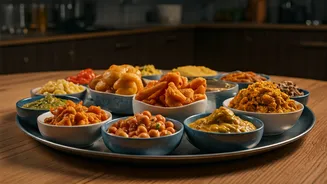
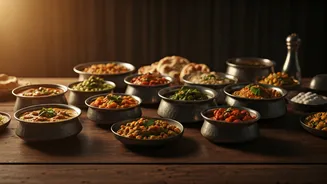
The shift to shareable plates is a savvy move that aligns perfectly with modern American dining trends. The small-plates, tapas-style model has a few key advantages. First, it lowers the barrier to entry. For a diner unfamiliar with Indian cuisine, ordering a single, large entrée can feel like a commitment. A menu of small, affordable snacks, however, invites experimentation. You can order three or four different things, share them with friends, and discover what you love without risking an entire meal on one unknown dish. This format also fosters a more social atmosphere. It turns dinner from a quiet, individual activity into a communal one. We're seeing this in dishes like vada pav sliders (a spiced potato fritter in a bun, reimagined as a mini-sandwich), deconstructed samosas served as a nacho-like platter, and masala fries topped with paneer and chutneys. It’s Indian flavor, delivered in a familiar, fun-to-eat package.
From Restaurants to Your Pantry
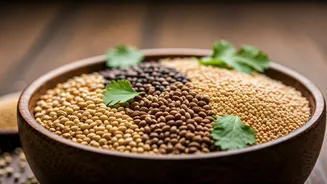
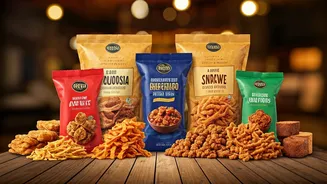
This trend isn’t confined to restaurants. The snack aisle at your local grocery store is also getting a street-food-inspired makeover. A new crop of Indian-American-owned brands is moving beyond traditional offerings and creating products that reflect this modern sensibility. You can now find bags of lentil-flour “puffs” flavored with tamarind and chili, crunchy chickpea snacks mimicking the spice profile of chaat, and frozen samosas with unconventional fillings. These products are designed for the way Americans snack today—on the go, at their desks, or shared during a movie night. They use the language of American snack food (chips, puffs, bites) but infuse it with the authentic, complex flavors of Indian street cuisine, making the tastes of a Delhi market accessible in a resealable bag.