



Ladakh: The High-Altitude Monastery Bash
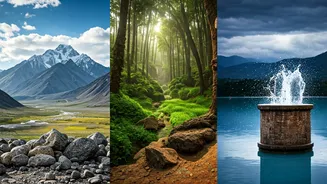
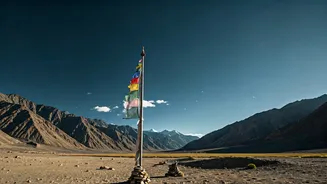
Forget what you know about summer festivals. High in the Indian Himalayas, the stark, lunar landscape of Ladakh hosts the Hemis Festival, a two-day spiritual event that feels like stepping onto another planet. Held at the Hemis Gompa, Ladakh’s largest
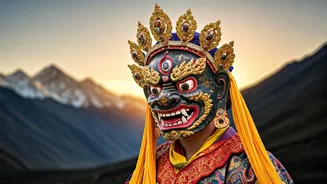
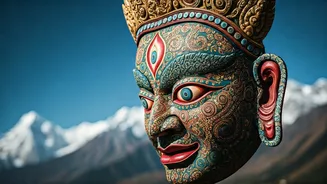
monastery, the festival honors the birth of Guru Padmasambhava, the sage who brought Vajrayana Buddhism to Tibet. For visitors, it's a sensory feast. Monks don elaborate, brightly colored silk costumes and otherworldly masks to perform the 'Chham,' or sacred masked dances. These aren't just performances; they are deep, meditative rituals that depict the triumph of good over evil. The air thrums with the sound of long horns, booming drums, and clashing cymbals, echoing through the mountain valleys. The energy is one of reverent celebration, a world away from the commercialized hype of Western music festivals. Making the journey to this remote corner of the world in June, when the mountain passes are clear and the air is crisp, is a true commitment. It's a flex not of luxury, but of spirit and adventure.
Assam: The Mystical Fertility Festival
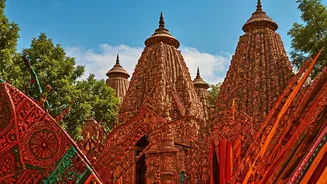
In the lush, green state of Assam in India's northeast, June brings one of the most enigmatic and powerful spiritual gatherings on the subcontinent: the Ambubachi Mela. Centered at the Kamakhya Temple in Guwahati, this ancient festival is a celebration of the earth’s fertility, tied to the belief that the goddess Sati's yoni (womb) is enshrined here. During the festival, it's believed the goddess undergoes her annual menstruation, and for three days, the temple doors remain closed. Far from being a somber occasion, the temple grounds transform into a sprawling congregation of tantrics, sadhus (holy men), and devotees from across India and beyond. You’ll see ascetics with matted hair, faces smeared with ash, and bodies engaged in complex yoga postures. It’s an electrifying, sometimes overwhelming, display of faith that is raw and unfiltered. On the fourth day, the temple reopens, and devotees rush to receive 'prasad'—small bits of red cloth believed to be moist with the goddess's menstrual fluid, considered highly auspicious. For an American visitor, this isn't a passive experience; it's a full-immersion dive into the esoteric heart of Hinduism, a powerful and unforgettable 'flex' of cultural curiosity.
Goa: The Joyful Leap of Faith
When you think of Goa, you probably picture sun-drenched beaches and all-night parties. But in June, as the monsoon rains begin to breathe life back into the landscape, a different kind of celebration takes over. The Sao Joao festival, celebrating the feast of St. John the Baptist, is a uniquely Goan Catholic tradition that is pure, unadulterated joy. The centerpiece of the festival is a tradition where young men, often wearing crowns of flowers and leaves called 'copels,' jump into overflowing wells, streams, and ponds. This act commemorates the leap of joy that St. John is said to have taken in his mother’s womb when Mary visited her. It’s a riot of color, music, and community spirit. Villagers go from house to house, singing traditional songs and being offered 'feni,' a potent local liquor made from cashew or coconut. Unlike the solemnity of Ladakh or the intensity of Assam, Sao Joao is all about exuberant fun. It’s a chance to see a side of Goa that most tourists miss—one that’s deeply rooted in its Portuguese-influenced history and local community traditions. It’s a culture flex that says you know how to find the real party, even in the rain.