





More Than Just 'Pandemic Puppies'
The sight of a leash in hand has become as common as a coffee cup on city sidewalks. While the surge in pet adoption during the pandemic certainly accelerated the trend, the shift toward pet-integrated urban life has been building for years. Today, over
two-thirds of U.S. households own a pet, with millennials leading the pack and increasingly treating their animals as bona fide family members. This demographic shift has profound implications for public space. City leaders and park departments, competing to attract and retain residents, are recognizing that quality of life isn't just about transit and jobs—it's also about having a place to walk your dog. This isn't just about sentiment. Access to green space is a proven public health benefit, reducing stress and encouraging physical activity for humans. Experts now argue these benefits extend to our companion animals, promoting better behavior and health. As a result, what was once a niche request is becoming a standard expectation: urbanites want and need accessible, safe, and engaging outdoor spaces for their entire family, including the furry ones.
What Makes a Trail Truly Pet-Friendly?
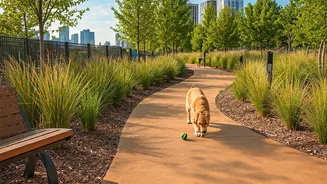
Simply putting up a sign that says 'Dogs Welcome' is no longer enough. The new wave of pet-friendly urban trails incorporates thoughtful design that considers the needs of both two-legged and four-legged visitors. So, what should you look for? First, the basics: plentiful waste stations with biodegradable bags. Nothing sours the outdoor experience faster than dodging messes. Beyond that, leading-edge trails feature dual-use water fountains with a ground-level bowl for thirsty pups. Trail surfaces are also a key consideration. While asphalt is common, many new projects are using crushed, compacted gravel or natural earth paths that are softer and cooler on a dog's paw pads. Clear and consistent signage is another hallmark of a well-designed system, clearly marking where dogs must be leashed, where they can be off-leash (in designated areas), and which zones might be environmentally sensitive and off-limits. These small details transform a simple path into a genuine amenity, making the experience safer and more enjoyable for everyone.
Cities That Are Leading the Pack
While this trend is national, some cities have embraced it more quickly and comprehensively than others. Denver, Colorado, is a prime example, with an extensive network of regional trails like the High Line Canal and Cherry Creek Trail that are heavily used by residents and their pets. The city’s park system actively promotes its dog-friendly policies and amenities. In Austin, Texas, the Barton Creek Greenbelt offers miles of rugged, natural trails where dogs can hike and even splash in the creek, providing a wilderness-like escape just minutes from downtown. It’s a cornerstone of the city’s active, outdoor culture. Similarly, Minneapolis, Minnesota, boasts the Grand Rounds Scenic Byway, a 51-mile loop of connected parkways and trails. The system is celebrated for its year-round accessibility and clear guidelines, creating a predictable and positive environment for dog walkers, joggers, and cyclists to coexist. These cities prove that investing in pet-friendly infrastructure is a direct investment in community well-being and civic pride.
Good Etiquette for the Urban Trailblazer
With increased access comes increased responsibility. Being a good steward of these shared spaces ensures they remain welcoming for years to come. The golden rule is simple: leave no trace. This means packing out everything you pack in, and most importantly, always picking up after your pet. Even on a seemingly remote trail, waste can contaminate local watersheds and spread disease. Respect leash laws. Unless you are in a clearly marked off-leash area, keeping your dog leashed protects your pet, other people, and local wildlife. It also shows consideration for fellow trail users who may be fearful of dogs, no matter how friendly yours is. Finally, maintain control. A well-behaved dog that doesn't jump on strangers or charge other animals is a welcome trail companion. Before heading out, make sure your dog responds reliably to basic commands like 'come,' 'sit,' and 'leave it.' Being a responsible owner is the best way to advocate for even more pet-friendly spaces in the future.