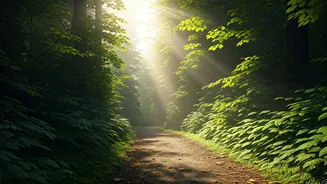







The Rise of Mindful Movement
The phrase “walk-and-breathe” isn’t a new fitness brand or a Silicon Valley-backed app. It’s the embodiment of a growing ethos in the Indian wellness world. After years of embracing the Western model of boutique fitness—think exclusive yoga studios, CrossFit
boxes, and high-energy spin classes—a significant portion of the urban population is recalibrating. They are turning to practices that are accessible, affordable, and deeply rooted in a philosophy of simplicity. This movement manifests as guided walking meditations in city parks, silent group strolls along waterfronts, and weekend retreats focused not on advanced yoga postures but on mindful immersion in nature. It’s a deliberate downshift from wellness as a high-performance sport to wellness as a gentle, consistent practice of being present. Instead of chasing a calorie-burn goal, the objective is mental clarity, stress reduction, and a reconnection with one's own body and environment.
A Reaction to Wellness Burnout
So, why the shift? A key driver is a collective sense of burnout. The pandemic accelerated screen time and indoor confinement, leaving many feeling disconnected and overstimulated. For many in India, the subsequent explosion of online fitness classes and high-cost studio memberships began to feel like another source of pressure. The commodification of yoga, in particular, created a sense of alienation in the very country of its birth. Many felt that the spiritual and philosophical core of the practice was being overshadowed by a focus on aesthetics, expensive apparel, and photogenic poses. The “walk-and-breathe” trend is a direct counter-response. It’s a populist movement that democratizes well-being, taking it out of the exclusive studio and putting it back into public spaces. It costs nothing to walk in a park, and the focus on breathwork—or pranayama, a foundational pillar of yoga—returns the practice to its meditative origins.
Ancient Roots, Modern Application
This isn’t a new invention so much as a reclamation of ancient wisdom. Walking has long been a spiritual practice in India. The concept of *parikrama* (or *pradakshina*) involves ritual circumambulation of a sacred site, a moving meditation meant to focus the mind and show devotion. Similarly, sages and gurus have for millennia prescribed time in nature as a path to enlightenment. What’s new is the application of these principles as a direct antidote to modern urban life. In cities like Mumbai, Bengaluru, and Delhi, informal walking groups and wellness practitioners are organizing “silent walks” where participants are encouraged to simply observe their surroundings without conversation. Some studios, which previously focused solely on indoor classes, are now adding “nature therapy” sessions to their schedules. They lead clients on guided hikes, combining gentle movement with breathwork exercises and periods of quiet reflection, tapping into practices that have been part of Ayurveda and yogic traditions for centuries.
What It Looks Like in Practice
This trend isn't monolithic; it’s a mosaic of local initiatives. In Bengaluru, known as the “Garden City,” groups meet at Lalbagh Botanical Garden for early morning breathwork sessions followed by slow, mindful walks. In Mumbai, communities gather along the Marine Drive promenade for sunset strolls, consciously syncing their breath to the rhythm of the waves. Wellness retreats in the Himalayan foothills near Rishikesh are de-emphasizing intensive yoga asana workshops. Instead, their itineraries now prominently feature forest bathing (*shinrin-yoku*), silent treks along the Ganges, and classes on the philosophy of breath. These experiences prioritize inner connection over physical contortion. They offer a powerful reminder that wellness doesn't always require a subscription or a booking—sometimes, the most profound studio is the world just outside your door.