





Beyond a Southern Staple
For generations of Americans, okra was synonymous with the Deep South—a key ingredient in gumbo, a staple of soul food, and a plant that thrived in the region’s long, hot summers. But as weather patterns become more erratic across the country, this humble
vegetable is finding new fans far beyond its traditional heartland. Gardeners from the arid Southwest to the volatile Midwest are discovering what Southern growers have always known: okra doesn't just tolerate heat, it revels in it. This makes it an increasingly smart bet for home gardens plagued by the new American summer—a cycle of blistering drought followed by sudden, intense deluges that can drown less-resilient plants. The term 'monsoon,' once associated primarily with South Asia, now aptly describes the late-summer weather patterns in the American Southwest and feels increasingly familiar elsewhere, where gardeners face a similar 'all or nothing' rainfall reality.
The Unlikely Hero Plant
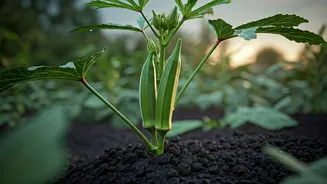
So what makes okra the perfect warrior for this climate fight? Its resilience is rooted in its very nature. As a member of the mallow family, related to hibiscus and cotton, okra boasts a deep taproot that can seek out moisture far below the soil surface, allowing it to withstand dry spells that would wilt tomatoes or wither lettuces. When temperatures soar above 90°F, many vegetable plants shut down production, dropping their blossoms to conserve energy. Okra, however, kicks into high gear. The heat and long days trigger its flowering and pod production, ensuring a steady harvest when other parts of the garden are struggling. Its beautiful, hibiscus-like flowers are a bonus, attracting pollinators that benefit the entire garden ecosystem. It’s this combination of drought tolerance and heat-loving productivity that positions okra as an anchor crop for the unpredictable modern garden.
Planting the Bet
The phrase “betting on okra before monsoon” isn’t just poetic; it’s a strategic directive. The key is to get the plants established during the early-to-mid summer heat. Okra seeds need warm soil to germinate, and the young plants thrive as the summer sun intensifies. By planting in late spring or early summer, gardeners ensure their okra has a strong, deep root system by the time late summer arrives with its potential for heavy, flooding rains. This established structure prevents the plants from being washed away or succumbing to root rot in suddenly saturated soil. In the desert Southwest, where the North American Monsoon brings a distinct season of summer thunderstorms, this timing is crucial. But the principle applies everywhere: establish the plant during the heat so it’s ready to capitalize on, rather than be defeated by, the eventual rains. When the downpour comes, a well-established okra plant will absorb the water greedily and translate that energy into a final, vigorous burst of pod production.
A Resilient Garden Mindset
Embracing okra is about more than just adding a new vegetable to your plot. It represents a shift toward a more resilient, climate-adaptive gardening mindset. Instead of fighting the weather, it’s about choosing plants that work with it. This approach, sometimes called 'climate-wise gardening,' prioritizes species and varieties that are naturally suited to emerging local conditions. Alongside okra, savvy gardeners are exploring other tough, heat-loving crops like sweet potatoes, Armenian cucumbers, cowpeas (or black-eyed peas), and amaranth. They are learning to observe microclimates in their own backyards and selecting plants that are not only productive but also beautiful and ecologically beneficial. Choosing to plant okra is a proactive step, a gardener’s declaration that they can adapt and find abundance even when conditions are challenging. It transforms the garden from a source of frustration into a laboratory for resilience and a source of delicious, homegrown food.