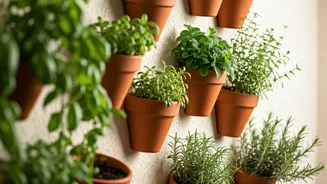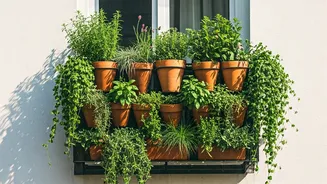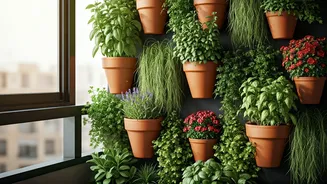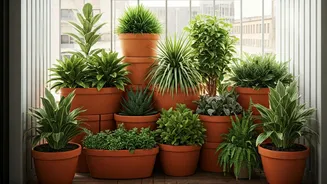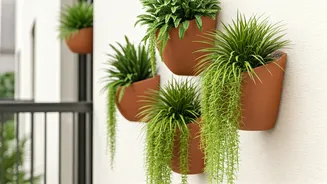




Why Vertical, Why Terracotta?
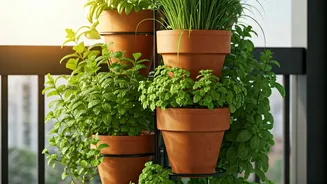
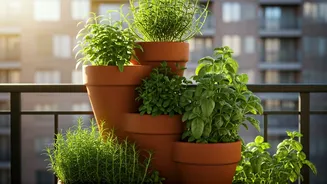
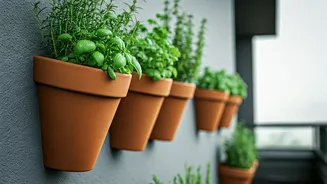
For renters, space is everything. A vertical garden, which utilizes stacking planters, allows you to grow upwards, turning a small footprint into a lush, multi-level oasis. It’s the skyscraper principle applied to gardening, maximizing your yield without
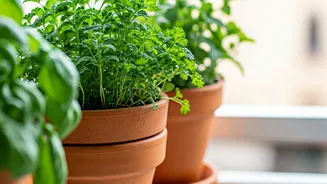
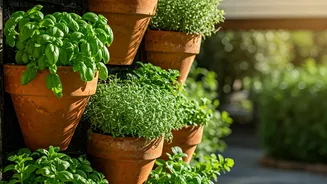
monopolizing your precious floor space. When it comes to materials, terracotta is the undisputed champion for herb gardening. The porous, unglazed clay allows air and water to move through the walls of the pot, preventing the soil from becoming waterlogged. This “breathability” is crucial for many herbs, which often originate from Mediterranean climates and detest “wet feet.” The natural, earthy look of terracotta also adds a timeless, rustic charm to any balcony, instantly making the space feel warmer and more inviting.
The Best Herbs for Balcony Life
Not all herbs are created equal when it comes to container living. For a thriving vertical garden, you want plants that are relatively compact and don't mind a bit of pruning. Start with these reliable choices: - **Mint:** Almost foolproof, but keep it in its own pot! Its runners will quickly take over any shared space. Perfect for mojitos or iced tea. - **Basil:** The quintessential summer herb. It loves sun and regular watering. Pinch the tops to encourage bushier growth. - **Rosemary:** A hardy, woody herb that loves sun and tolerates drier conditions, making it a great match for terracotta. Its pine-like scent is a bonus. - **Thyme:** This low-growing herb will happily spill over the sides of your planter. It’s drought-tolerant and perfect for seasoning everything from chicken to roasted vegetables. - **Chives:** An easy-to-grow member of the onion family. Their mild flavor is great in eggs or as a garnish. They'll come back year after year. - **Parsley:** A versatile kitchen staple. Both curly and flat-leaf varieties do well in pots. Give it plenty of morning sun.
Your Simple Shopping List
Getting started is simpler and more affordable than you might think. You don't need a truckload of supplies from a specialty store. Here’s a basic checklist to get your vertical garden off the ground: 1. **Stackable Terracotta Planters:** Look for a set specifically designed for stacking. They often have a lipped design that sits securely. A stack of three or four is a great starting point. 2. **Quality Potting Mix:** Don't just use dirt from the ground. A good quality potting mix designed for containers provides the right balance of drainage and nutrients. 3. **Herb Seedlings:** While you can start from seed, buying small starter plants (seedlings) from a local nursery gives you a huge head start and a much higher chance of success. 4. **Small Stones or Gravel (Optional):** Placing a thin layer at the bottom of the lowest pot can help improve drainage, though many modern planters have sufficient holes to make this unnecessary.
Sunlight, Water, and Basic Care
Once assembled, your garden's success depends on three things: sun, water, and a little attention. Most herbs need at least 6 hours of direct sunlight per day. Observe your balcony for a day to find its sunniest spot before you place your garden. When it comes to watering, terracotta pots dry out faster than plastic ones, which is good for the roots but means you need to be more vigilant. A good rule of thumb is to stick your finger about an inch into the soil. If it feels dry, it's time to water. Water thoroughly until it runs out the bottom drainage holes. Be mindful of wind, which can also dry out your plants quickly. If your balcony is particularly breezy, you may need to water more frequently or create a small windbreak.
Harvesting for Maximum Flavor
The best part of having an herb garden is actually using it! Regular harvesting is not only rewarding for your kitchen, but it also encourages the plants to produce more leaves. For leafy herbs like basil and mint, pinch off the top sets of leaves right above a leaf node. This will signal the plant to branch out, becoming fuller and bushier. For woody herbs like rosemary and thyme, you can snip off sprigs as needed. Never take more than one-third of the plant at any one time to ensure it has enough foliage to keep growing. The flavors are most potent right before the plant flowers, so regular trimming can also help prolong your harvesting season.