






Beyond Flexibility
When many people think of yoga, they picture pretzel-like poses performed by impossibly flexible twenty-somethings. But that’s a narrow, commercialized view of a practice that is, at its core, about creating harmony between mind and body. For those navigating
their 50s, 60s, and beyond, yoga isn’t about extreme flexibility; it’s about functional fitness, mental resilience, and sustainable well-being. The true beauty of yoga lies in its adaptability. A session can be done from a chair, with props for support, or with gentle, modified movements, making it accessible to virtually any body at any age. It’s less a workout to be conquered and more a practice to be explored, meeting you exactly where you are.
The Science of Stability
One of the most significant health concerns as we age is the risk of falls, which can lead to serious injury and a loss of independence. Yoga directly addresses the two key factors in fall prevention: strength and balance. Poses like Tree, Warrior, and even simple standing postures challenge and improve proprioception—your body's innate sense of where it is in space. At the same time, holding these poses and flowing between them builds functional strength in the legs, core, and back. Studies from institutions like the National Institutes of Health have highlighted yoga’s effectiveness in improving balance and mobility in older adults, making it a proactive strategy for maintaining physical confidence.
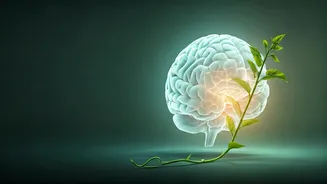
A Workout for Your Brain
The benefits of yoga extend far beyond the physical. The practice is a powerful form of moving meditation that has profound effects on cognitive and mental health. The focus required to move with your breath, hold a pose, and remain present on the mat is a workout for your brain. This mindfulness training can enhance focus and may even support cognitive function. Furthermore, yoga is a proven stress-buster. By activating the parasympathetic nervous system (the body's “rest and digest” mode), it helps lower cortisol levels, reduce anxiety, and improve mood. In an age of constant stimulation and worry, the ability to find a pocket of calm is an invaluable skill for healthy aging.
The Power of the Breath
Often overlooked by beginners, breathwork—or pranayama—is a cornerstone of yoga. It's not just about breathing in and out; it's about controlling the breath to influence your physical and mental state. Deep, diaphragmatic breathing can help lower blood pressure, improve lung capacity, and enhance circulation. For many older adults, shallow breathing has become an unconscious habit. A consistent yoga practice retrains the body to breathe more fully and efficiently, which can boost energy levels and promote a sense of overall vitality. This simple yet profound tool is something you carry with you off the mat and into every moment of your day.
More Than a Mat: Finding Community
Loneliness and social isolation are significant health risks, often cited as being as dangerous as smoking or obesity. Attending a yoga class—whether it’s a “gentle,” “restorative,” or “seniors” session—provides a powerful antidote. It offers a structured, welcoming environment to connect with others who share similar goals. These studios and community centers become hubs of social connection, offering a sense of belonging and mutual support. Sharing the experience of learning and practicing together fosters a unique bond, turning a wellness activity into a vital social outlet that nourishes the spirit just as much as the poses nourish the body.