



The Zero-Waste Mindset
Before “zero-waste” became a trending hashtag on Instagram, it was a fundamental, unspoken principle in many Indian households. For generations, resourcefulness wasn't a choice but a necessity and a virtue. This philosophy of using every single part of an ingredient—often
called “peel-to-seed” cooking—is deeply ingrained. Watermelon rind, which most of the world sees as garbage, is viewed as a valuable vegetable in its own right. The firm, pale flesh of the rind is sturdy, absorbent, and has a neutral flavor, making it a perfect canvas for the bold spices of Indian cuisine. Tossing it would be like throwing away a perfectly good cucumber or zucchini.
From Bland Rind to Flavor Bomb
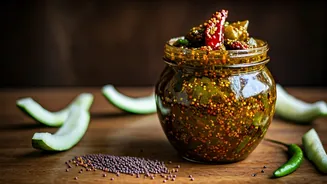
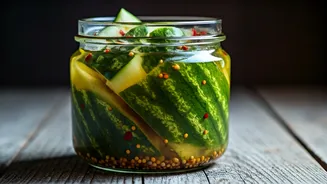
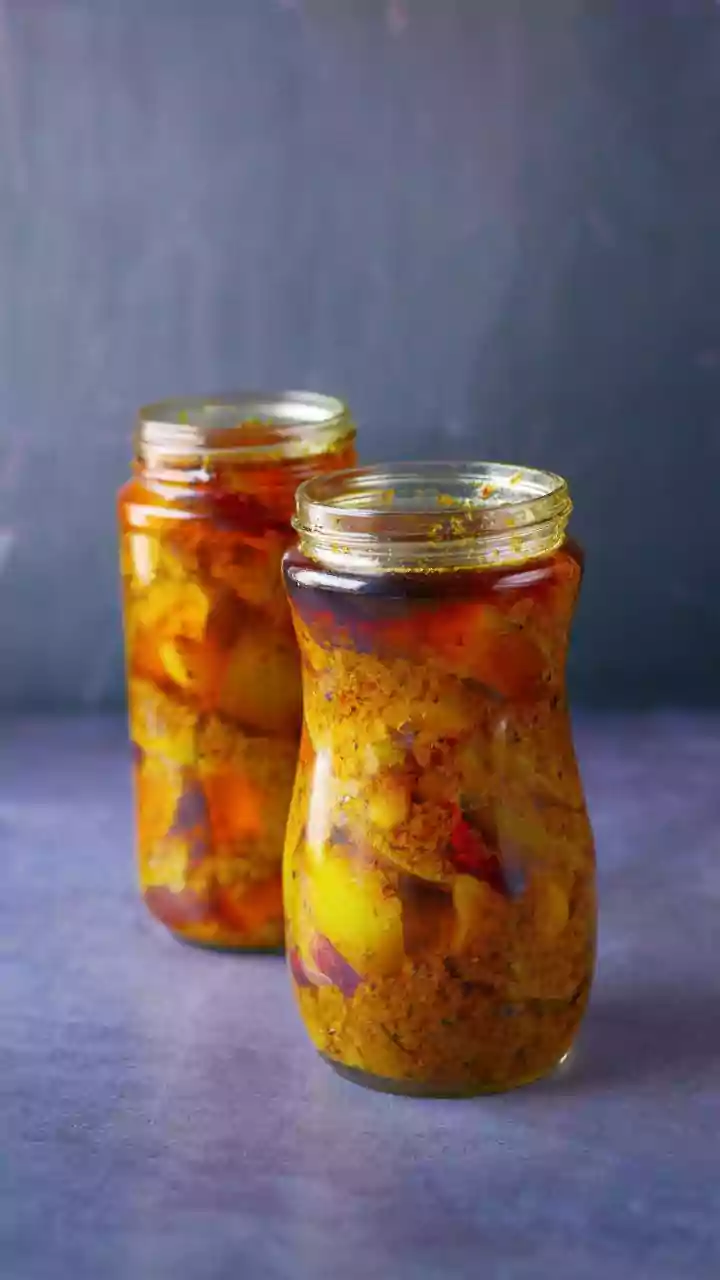
The transformation of the rind is a masterclass in culinary alchemy. The process typically involves peeling the tough green outer skin, dicing the remaining white part, and then salting it to draw out excess water, which also gives it a pleasant, crisp-yet-tender texture. From there, it becomes an incredible flavor sponge. The prepared rind is tossed in a potent mixture of spices—a process known as making *achaar*, or pickle. While recipes vary by region and family, common ingredients include mustard oil, split mustard seeds (*rai*), fenugreek seeds (*methi*), turmeric (*haldi*), asafoetida (*hing*), and a generous amount of red chili powder. Left to marinate, the bland rind absorbs this symphony of pungent, sour, and spicy notes, becoming a complex and utterly addictive condiment.
A Tradition of Pickling
In India, pickles aren't just a sidekick for a sandwich; they are a cornerstone of the meal. A small spoonful of a powerful *achaar* can elevate a simple plate of rice and dal (lentils), providing a burst of flavor, texture, and excitement. Pickling is also a time-honored method of preservation. In a country with intense summers and monsoon seasons, pickling allowed households to preserve seasonal abundance for the leaner months. Nearly every fruit and vegetable has its pickled form, from mangoes and limes to carrots and cauliflower. The watermelon rind pickle, known in Hindi as *tarbooz ke chhilke ka achaar*, fits perfectly into this tradition. It captures the essence of summer and extends its life, ensuring no part of the precious seasonal fruit goes to waste.
More Than Just a Pickle
Beyond pickles, the versatile rind shows up in other dishes, too. In some parts of India, it’s used to make a stir-fry (*sabzi*) with potatoes and spices, similar to how one might cook squash. In the south, it can be added to lentil stews like sambar or used to make a sweet and sour chutney. Some even make a candied, sweet version called *petha*. This versatility speaks to the ingenuity of home cooks who have perfected the art of turning a would-be-discarded item into a star ingredient. It's a practice that celebrates both frugality and culinary creativity, proving that some of the most delicious flavors are found where you least expect them.