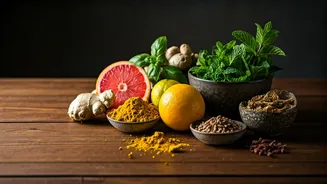




So, What Is This Trend, Really?
First, let's be clear: you won't find a “Monsoon Diet” aisle at your local pet store. The term itself is more of a catchy label for a broader concept gaining traction among holistic pet owners: seasonal or rotational feeding. The idea is to tailor your pet’s
diet to the specific demands of the season. The “monsoon” angle, specifically, draws inspiration from dietary practices in places like India, where people eat certain foods during the rainy season to boost immunity and aid digestion in the damp, humid weather. For pets, this might translate to adding warming, anti-inflammatory ingredients like turmeric or ginger to their food during colder, wetter months. More broadly, it's about moving away from feeding your pet the exact same food, in the exact same amount, 365 days a year.
The Logic Behind Seasonal Nutrition
Proponents argue that a static diet doesn't reflect the changing needs of an animal. In the wild, an animal’s diet would naturally shift with the seasons based on food availability. While our domesticated companions aren’t hunting for their next meal, their bodies still experience seasonal changes. For example, a dog might be more active during the long, sunny days of summer and burn more calories hiking with its owner. In winter, that same dog might need more healthy fats to support a thick coat and a bit of extra energy to stay warm, even if it's less active. The theory also extends to seasonal ailments. During spring and fall, when environmental allergens are high, a seasonal diet might incorporate foods rich in omega-3 fatty acids to help combat skin inflammation and irritation.
The Potential Perks and Promises
The advocates for seasonal feeding believe it can lead to a host of benefits. By rotating proteins and ingredients, you expose your pet to a wider range of nutrients, which could potentially reduce the risk of developing food sensitivities or allergies over time. A common analogy is that you wouldn't want to eat chicken and rice for every meal of your life, and variety can provide a more robust nutritional profile. The claimed perks include improved digestion, a shinier coat, higher energy levels, and a stronger immune system. For owners whose pets struggle with seasonal “blahs” or recurring skin issues, the promise of a dietary solution that works *with* the seasons instead of against them is incredibly appealing.
What Do Veterinarians Say?
This is where the conversation gets more complex. Most veterinarians will tell you that the single most important factor is providing a complete and balanced diet. High-quality commercial pet foods are formulated by veterinary nutritionists to meet all of a pet’s nutritional needs, year-round. The primary concern with any owner-led dietary change, including seasonal feeding, is the risk of creating nutritional imbalances. A well-meaning owner might accidentally provide too much of one vitamin or not enough of a crucial mineral, leading to health problems down the line. While the concept of seasonal adjustments isn't necessarily harmful, there's a lack of formal scientific research to validate the benefits. Most vets would agree that any drastic dietary overhaul should only be done under their direct supervision. They often see problems arise not from the *idea* of fresh or varied food, but from its improper execution.