




The Rise and Fall of Data-Driven Anxiety
Remember when getting a fitness tracker felt like unlocking a new level of personal achievement? Suddenly, every aspect of our health was quantifiable. We had apps to chart our sleep cycles, count our macros, and buzz our wrists if we sat still for too
long. The goal was simple: optimize everything. The promise of Silicon Valley—that more data equals a better life—was applied directly to our bodies. For a while, it was motivating. Hitting 10,000 steps felt like a victory. Seeing a high "sleep score" was a badge of honor. But for many, the gamification of health slowly morphed into a new form of anxiety. Instead of feeling empowered, people began feeling judged by their own data. A "bad" sleep score could ruin a morning before it even started. A missed workout goal felt like a personal failure. This constant performance monitoring created a low-grade hum of stress, turning self-care into another competitive sport we could lose.
From Optimization to Intuition
The backlash against this data-driven chaos has been quiet but steady. It’s a collective exhale, a turning away from the spreadsheets and toward our senses. This movement doesn’t have a single, catchy name, but it’s often described as "slow wellness" or "intuitive living." The core idea is a radical departure from the last decade: what if the best expert on your well-being isn’t an app, but you? This shift prioritizes internal cues over external metrics. It asks you to pay attention to how your body actually feels, not what a device tells you it should feel. Are you hungry? Eat. Are you tired? Rest. Do you feel energized? Move in a way that feels good, whether that’s a dance party in your kitchen or a walk in the park. It’s about replacing the rigid rules of optimization with the flexible wisdom of self-awareness. It’s less about achieving a perfect score and more about finding a sustainable, enjoyable rhythm.
What Calmer Habits Actually Look Like
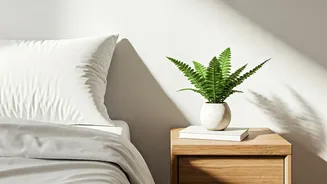
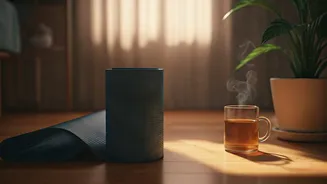
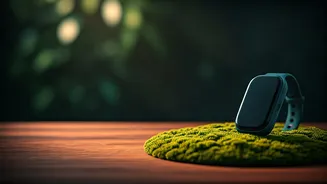
So, what does this look like in practice? It’s often about subtraction, not addition. Instead of logging every meal into a calorie-counting app, it’s practicing intuitive eating—honoring your hunger and fullness cues without judgment. Instead of obsessing over a 10,000-step goal, it might be leaving your watch at home and going for a “dumb walk,” where the only purpose is to enjoy the movement and your surroundings. In place of sleep tracking, people are focusing on creating calming, screen-free bedtime rituals—reading a book, drinking herbal tea, or light stretching. The focus shifts from the *outcome* (a high score) to the *process* (a relaxing evening). Similarly, meditation is being reclaimed from apps that demand daily streaks and is returning to its simpler form: just a few minutes of quiet sitting, whenever you feel the need. These habits are calmer because they remove the pressure to perform and the fear of falling short.
A Pushback Against 'Hustle Culture'
This trend isn’t happening in a vacuum. It’s part of a broader cultural re-evaluation of productivity and the “hustle” mindset that dominated the 2010s. The same burnout that has people embracing “quiet quitting” at work is leading them to reject the idea that their personal lives also need to be optimized for maximum efficiency. Wellness was sold as a refuge from the stresses of modern life, but for many, it simply became another job—a slate of daily tasks to complete and metrics to hit. The move toward calmer habits is a recognition that true rest cannot be measured. It’s an acknowledgment that our bodies are not machines to be fine-tuned but complex, living systems that thrive on care, not just data. By de-quantifying our well-being, we’re not giving up on health; we’re reclaiming it from the pressures of performance culture and making it personal again.