






It’s More Than Just Great Taste
Let’s start with the most obvious reason: flavor. Spinach, whether it's cooked or raw, has a distinct earthy, mineral-forward taste. For some, this can even register as slightly metallic or bitter. A bright, acidic ingredient is the perfect foil, and
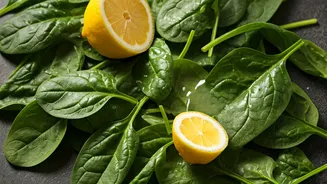
lemon is the undisputed champion. A squeeze of fresh lemon juice cuts through that earthiness, lifting the entire flavor profile and making the spinach taste cleaner and fresher. It’s a classic culinary technique—using acid to balance richness and bitterness—that works wonders here. The lemon doesn’t mask the taste of the spinach; it clarifies it, allowing its more pleasant, vegetal notes to shine through. It’s the difference between a flat, one-note side dish and a vibrant, dynamic one.
The Iron-Clad Nutritional Science
Here’s where this simple kitchen hack gets a major scientific upgrade. Spinach is famously rich in iron, but it’s a type called “non-heme” iron, which comes from plant sources. Our bodies are notoriously inefficient at absorbing this type of iron compared to the “heme” iron found in meat. This is where lemon juice works its magic. Lemons are packed with Vitamin C (ascorbic acid), a powerful enhancer of non-heme iron absorption. When you consume Vitamin C alongside a source of non-heme iron, it captures the iron and transforms it into a form that your body can more easily absorb. So, that squeeze of lemon isn’t just for taste; it’s actively helping you unlock the full nutritional payload of the spinach you’re eating. Without it, a significant portion of that valuable iron could pass through your system untapped.
Taming the Oxalate Problem
If you’ve ever felt a strange, chalky film on your teeth after eating spinach, you’ve experienced oxalates. Spinach is high in oxalic acid, a compound that can bind with minerals like calcium and iron, forming crystals. This binding action not only inhibits your body's ability to absorb these minerals but is also responsible for that unpleasant, gritty sensation known as “spinach tooth.” While cooking spinach helps break down some of the oxalates, acid provides another layer of defense. The acidity from lemon juice can help dissolve these compounds further, reducing their mineral-blocking effects and minimizing that chalky mouthfeel. It helps make the experience of eating spinach more pleasant from the first bite to the last, all while ensuring you get more of the good stuff.
A Kitchen Truth Gone Viral
The “internet agrees” part of the headline isn’t just hype; it’s a reflection of a universally accepted piece of kitchen wisdom. Scroll through food-focused TikToks, and you’ll find countless videos where a final squeeze of lemon is the non-negotiable finishing touch on a pan of sautéed spinach. On Reddit’s popular r/Cooking and r/EatCheapAndHealthy forums, the advice to “add acid” to spinach is dispensed daily as a foundational tip for beginners. Food bloggers and professional recipe developers almost universally include lemon juice or zest in their spinach-based dishes, from salads and pastas to dips and soups. It’s not a fleeting trend but a shared secret that has been passed down and amplified online, solidifying its status as a rule you shouldn't break.
Beyond a Simple Squeeze
Embracing this power couple is easy and goes far beyond simply wilting spinach with a spritz of juice. For a classic raw spinach salad, a simple lemon vinaigrette is the perfect dressing, tenderizing the leaves slightly and brightening the other ingredients. When making a creamy spinach dip or pasta sauce, finish with both the juice and zest of a lemon to cut through the richness of the dairy. Even in a green smoothie, a splash of lemon juice can balance the spinach’s flavor and boost its nutritional value. Adding lemon at the end of the cooking process preserves the fresh flavor and the potency of the Vitamin C, so always make it your final flourish.