



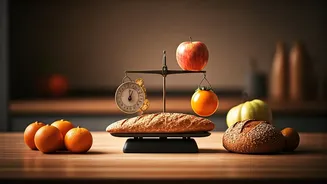
The Collapse of Food Morality
For decades, the dominant wellness narrative operated like a stern schoolteacher. Foods were either “good” (kale, quinoa, anything green) or “bad” (pizza, donuts, anything fun). This binary thinking, often called food morality, turned every meal into
a test of virtue. Eating a salad earned you a gold star; indulging in a cookie meant you’d failed. The problem? This framework is not only mentally exhausting but also scientifically dubious. It fosters a cycle of restriction, craving, and guilt, which can lead to disordered eating patterns and a perpetually fraught relationship with food. The widespread failure of traditional, rule-based diets to deliver long-term results has left millions of Americans fatigued and looking for a different path. The lecture, it turns out, wasn’t just unhelpful—it was often counterproductive.
From Rules to Intuition
In place of rigid directives, a new philosophy is taking hold: intuitive eating. Coined in the 1990s by dietitians Evelyn Tribole and Elyse Resch but exploding in popularity now, this approach isn't a diet but an anti-diet. It's a framework for rebuilding trust with your own body. Instead of following external rules about what, when, and how much to eat, the focus shifts to internal cues—hunger, fullness, satisfaction, and how different foods make you feel. This is often misunderstood as a free-for-all, but practitioners describe it as a nuanced skill. It involves unlearning years of diet culture programming to finally hear what your body has been trying to tell you all along. The goal isn’t weight loss, but “food freedom”: a state where food choices are peaceful, free from anxiety, and honor both physical health and mental satisfaction.
Why the Shift Is Happening Now
This movement isn’t happening in a vacuum. It’s fueled by broader cultural currents. First, there’s the collective burnout with optimization culture. After years of trying to hack our sleep, productivity, and diets into perfection, many are recognizing the high cost of constant self-monitoring. The desire for a more gentle, sustainable approach to life is extending to the dinner plate. Second, the rise of the body positivity and body neutrality movements has provided a powerful counternarrative. By challenging the thin ideal and promoting respect for all body sizes, these movements have given people permission to decouple health from a specific weight or appearance. Social media has played a dual role; while it once amplified toxic “what I eat in a day” videos, it’s now a hub for anti-diet dietitians and creators who are dismantling food myths for millions of followers.
The New Language of Nourishment
As the philosophy changes, so does the vocabulary. The old, judgmental language is being replaced with a kinder, more empowering lexicon. “Cheat meals” are becoming “pleasure foods.” Instead of “clean eating,” people talk about “adding nourishment.” The focus is shifting from calorie deficits to nutrient density and satiety. This isn’t just semantic games; it’s a fundamental reframing. The new language encourages curiosity over judgment. Instead of asking, “Is this food allowed?” the question becomes, “What does my body need right now?” or “What would be satisfying and also make me feel good?” This approach, often called “gentle nutrition,” acknowledges that while nutrition science is valuable, it must coexist with pleasure, culture, and individual context. It’s health-consciousness without the obsession, offering a way to care for your body without declaring war on it.