



The Old Travel Playbook Is Obsolete
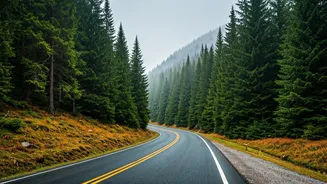
For generations, the travel calendar for middle-class India was as predictable as the seasons. When scorching summer heat baked the northern plains in May and June, families fled to the cool, pine-scented air of Himalayan “hill stations” like Shimla and Manali.
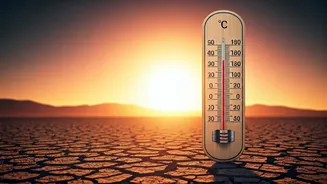
When winter arrived, they flocked to the warm beaches of Goa or the tranquil backwaters of Kerala. The monsoon season, from roughly June to September, was a time to stay put, letting the downpours refresh the land. This decades-old rhythm is now broken. Climate change has turned these predictable patterns into a dangerous game of chance. The familiar refuge of the mountains can become a trap. The idyllic coast can turn into a flood zone. And the heat, once a predictable nuisance, has become a life-threatening monster, making urban sightseeing in cities like Delhi or Jaipur an act of extreme endurance.
When Mountain Escapes Become Death Traps
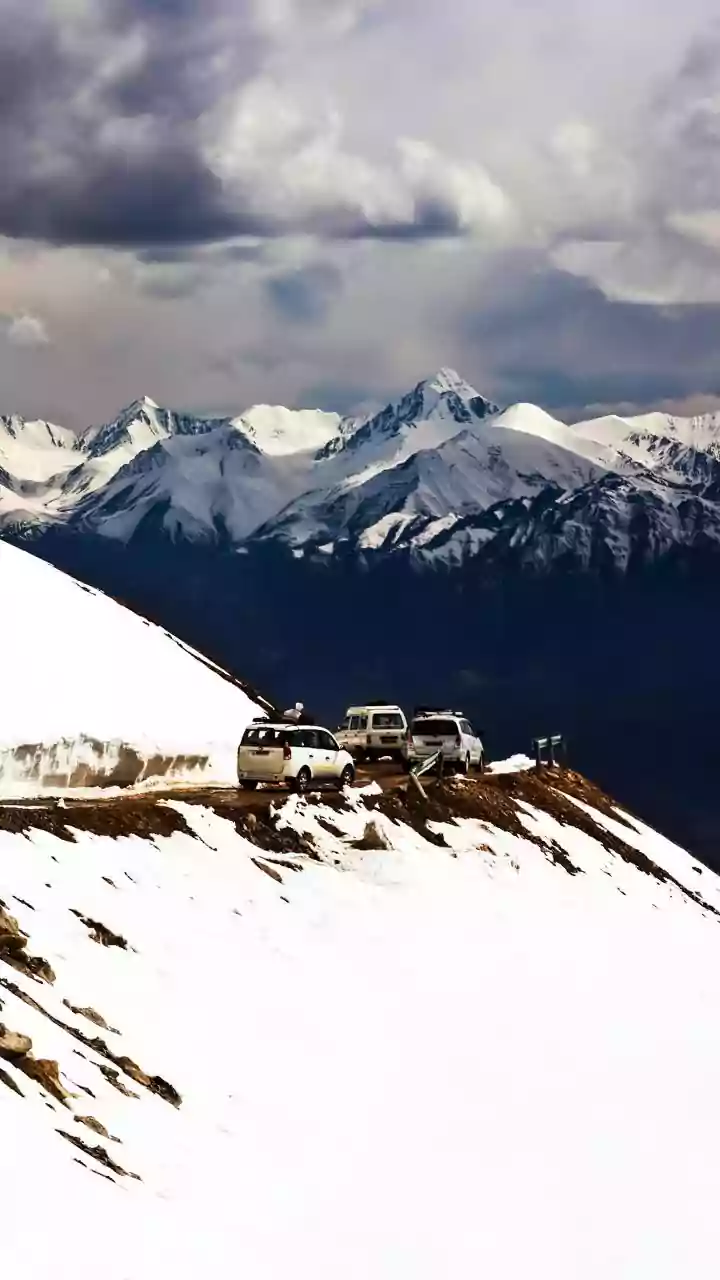
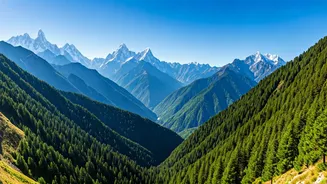
Nowhere is this new reality more stark than in the Himalayas. In recent years, states like Himachal Pradesh and Uttarakhand have been devastated by catastrophic weather events during peak tourist season. The monsoon, once a predictable pattern of rain, is now characterized by erratic, ultra-intense cloudbursts that dump a month's worth of water in a few hours. These deluges trigger flash floods and landslides that wash away roads, bridges, and hotels with terrifying speed. Videos of multi-story buildings collapsing into raging rivers and cars being swept away like toys have gone viral, serving as grim warnings. Tourists who once sought scenic mountain views now find themselves stranded for days, cut off from the world with no electricity or supplies. What was once a simple family vacation has become a potential disaster scenario, forcing travelers to second-guess the wisdom of visiting the mountains during the summer and monsoon months at all.
The New Art of Trip Planning
In response, a new set of travel skills has emerged, born from necessity. The first step of planning a trip is no longer booking a hotel, but performing a detailed climate risk assessment. Indian travelers are now avid consumers of hyper-local, multi-day weather forecasts. They scour social media groups and use apps like Google Maps for real-time updates on road closures and landslide warnings. They call hotel owners directly, not to ask about room service, but to inquire about the condition of the local access road and the stability of the hillside. This has led to a fundamental shift in behavior. Many are abandoning traditional peak-season travel altogether. Instead of a summer trip to the Himalayas, they might opt for a “shoulder season” visit in the spring or autumn, when the weather is more stable. Others are exploring entirely new, less-crowded destinations that are perceived as safer. This “climate-aware planning” also involves packing for the unexpected: extra food, water, power banks, and a flexible itinerary that allows for last-minute cancellations or detours. The carefree getaway is being replaced by the carefully managed expedition.
A Glimpse of Our Global Future
While this story is unfolding in India, it’s not just an Indian story. It’s a preview of the future of travel for everyone, everywhere. Americans have already had a taste of this, with unprecedented wildfires shutting down access to Lake Tahoe, hurricanes devastating Florida’s tourist coast, and extreme heat waves making summer trips to Arizona or Texas a health risk. In Europe, tourists are fainting at the Acropolis as “heat domes” bake the continent. The skills being honed by Indian travelers—obsessive weather-checking, prioritizing safety over scenery, avoiding peak seasons, and maintaining radical flexibility—are becoming universal. The idea of a destination being reliably “good” at a certain time of year is fading. As the climate becomes more volatile, our approach to seeing the world must evolve from simple logistics to sophisticated risk management.