
From Generic Aisle to Mainstream Cool
Remember the old guard of Indian food in America? For many, it was a binary choice: the all-you-can-eat lunch buffet, a monolith of chicken tikka masala and naan, or the grocery store’s “ethnic” aisle. There, you’d find one-size-fits-all curry powders,
chutneys thick with sugar, and frozen samosas that tasted more of the freezer than of spice. The story they sold was one of convenience at the cost of character, a simplified, anglicized version of a subcontinent’s worth of culinary diversity. These products weren't telling a story so much as providing a function, often for a non-Indian consumer seeking a shortcut to an "exotic" meal. The packaging was frequently dated, the branding an afterthought, and the narrative, if there was one, was stuck in the past.
The New Guard: Founders as Storytellers
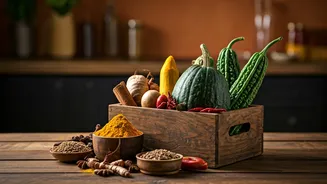
The shift we’re seeing now is driven by a new class of entrepreneurs, often second-generation Indian-Americans who grew up navigating two cultures. They are reclaiming their heritage not as a museum piece, but as a living, breathing part of their modern American identity. Take Chitra Agrawal of Brooklyn Delhi. Her brand of achaars (pickles) and simmer sauces isn’t just selling a condiment; it’s selling her story, her family’s South Indian recipes adapted in a Brooklyn kitchen. Or look at Sana Javeri Kadri, founder of Diaspora Co. Her company’s entire mission is a story. By sourcing single-origin spices directly from partner farms in India and paying farmers an equitable price, she’s actively decolonizing a trade historically built on exploitation. The story isn't just "this is turmeric"; it's "this is Pragati Turmeric, grown by Mr. Kasam."
What's in a Better Story?
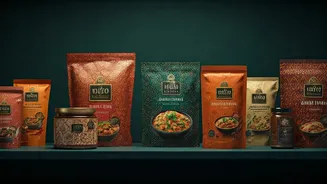
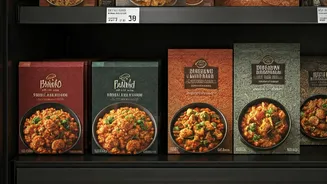
So, what makes these stories “better”? It’s a combination of authenticity, specificity, and transparency. Instead of “Indian curry,” brands now proudly label their products with regional origins, like Goan Fish Curry or Punjabi Saag. The vague promise of "exotic flavor" has been replaced by the specific narrative of a founder's grandmother, a particular farming community, or a unique cooking method. This new storytelling is also visual. Gone are the dated, stereotypical graphics. In their place are clean, minimalist designs, bold typography, and beautiful photography that look right at home on a Millennial’s Instagram feed. This isn't just about aesthetics; it’s a signal of confidence. These brands aren’t asking for permission to exist in a niche aisle; they are positioning themselves as premium, modern, and essential to the contemporary American kitchen.
The Perfect Recipe for a Revolution
This movement didn't happen in a vacuum. It’s the result of a perfect storm of cultural and market forces. First, American palates have become significantly more adventurous. Consumers, especially younger ones, actively seek out bold, new flavors and are more educated about global cuisine than ever before. Second, the rise of social media and direct-to-consumer e-commerce allows these brands to bypass traditional gatekeepers. They can tell their story directly to customers on Instagram and build a loyal following without needing a massive marketing budget or a deal with a national supermarket chain from day one. Finally, there's a generational confidence among Indian-Americans. They are no longer just doctors, engineers, and lawyers; they are also chefs, artists, and entrepreneurs, using business as a vehicle for cultural expression and connection.