



First, Let's Address the 'Worms'
Let’s get the unpleasant part out of the way. The “worms” that occasionally make horrifying cameos on social media are typically the larvae of fruit flies. These pests lay their eggs in developing fruit on the tree. While it’s an unsettling thought, it’s a natural,
albeit unwelcome, part of agriculture. The U.S. Department of Agriculture (USDA) has strict protocols for imported produce to mitigate this, including hot water treatments or irradiation for mangoes from regions where fruit flies are prevalent. These measures are highly effective, but no system is 100% perfect. So, while the risk is very low, it’s not zero. The viral videos you see represent the rare instance that slips through, not the everyday reality for millions of mangoes. Understanding this helps move us from fear to practical caution.
Forget Color, Focus on Feel
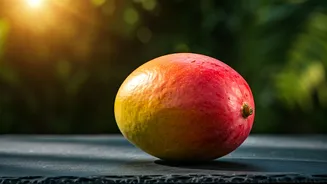
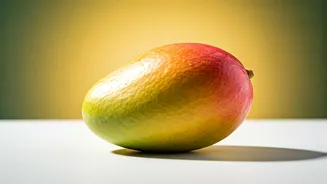
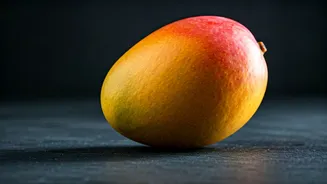
The single biggest mistake mango shoppers make is judging a book by its cover. A mango’s color—whether it’s blushing red, sunset orange, or vibrant yellow-green—is an indicator of its variety, not its ripeness. An Ataulfo mango will be golden yellow when ripe, while a Kent might still have significant green patches. Instead of looking at color, gently squeeze the fruit. A ripe mango will give slightly, similar to a ripe avocado or peach. If it’s rock-hard, it’s unripe. If it’s mushy, has soft spots, or your fingers leave deep indents, it’s overripe and should be avoided. This tactile test is your most reliable tool in the store.
Use Your Nose
Your sense of smell is a powerful ally. A ripe mango has a distinctly fragrant, fruity aroma at its stem end. You should be able to pick up sweet, tropical notes without even putting it right up to your nose. If you smell nothing, the mango is likely unripe and will lack flavor. On the other hand, if you detect a sour or slightly alcoholic, fermented scent, the fruit is past its prime. This smell is a major red flag, indicating the sugars inside have begun to break down. A good mango smells exactly how you hope it will taste: sweet, rich, and delicious.
Examine the Shape and Skin
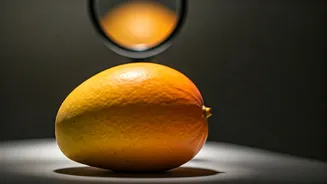
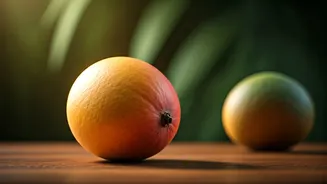
While feel and smell are primary, a visual inspection is still important. Look for a fruit that is plump and rounded, especially around the stem. A flat or thin-looking mango will likely have stringy flesh. Next, inspect the skin. It should be smooth and taut. A few minor blemishes or black specks are often just “sugar spots” and can indicate sweetness, but you want to avoid mangoes with bruised, shriveled, or leaky skin. Pay close attention to the area around the stem. Any signs of mold, significant sap leakage, or tiny puncture marks are reasons to put that mango back and choose another.
Proper Storage and the Final Check
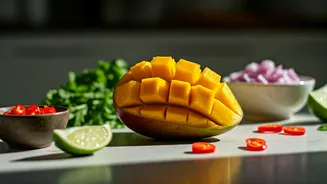
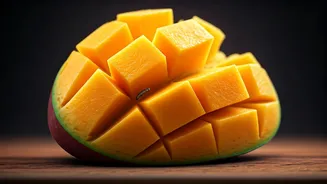
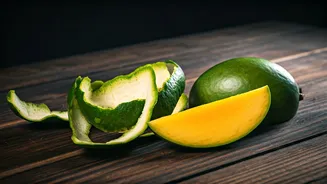
Once you’ve brought your treasures home, storage is key. If your mango is still a bit firm, leave it on the counter at room temperature for a day or two. Placing it in a paper bag can speed up the process. Once it’s perfectly ripe (it gives to a gentle squeeze and smells fragrant), move it to the refrigerator. This will slow the ripening and keep it in peak condition for up to five days. Before you eat it, give it a final inspection as you cut. The popular “hedgehog” method—slicing off the two “cheeks” on either side of the flat pit and then scoring the flesh—is not just for looks. It provides a perfect, wide-open view of the fruit’s interior, allowing you to confirm that everything is as golden and perfect as you expected before you take that first bite.