







The Symphony of the Rain
Imagine a different kind of island vacation. It doesn't begin with the harsh glare of an uninterrupted sun, but with the sky softening to a pearly grey. The air, thick with the salt of the Bay of Bengal, suddenly carries a new scent: petrichor, the rich,
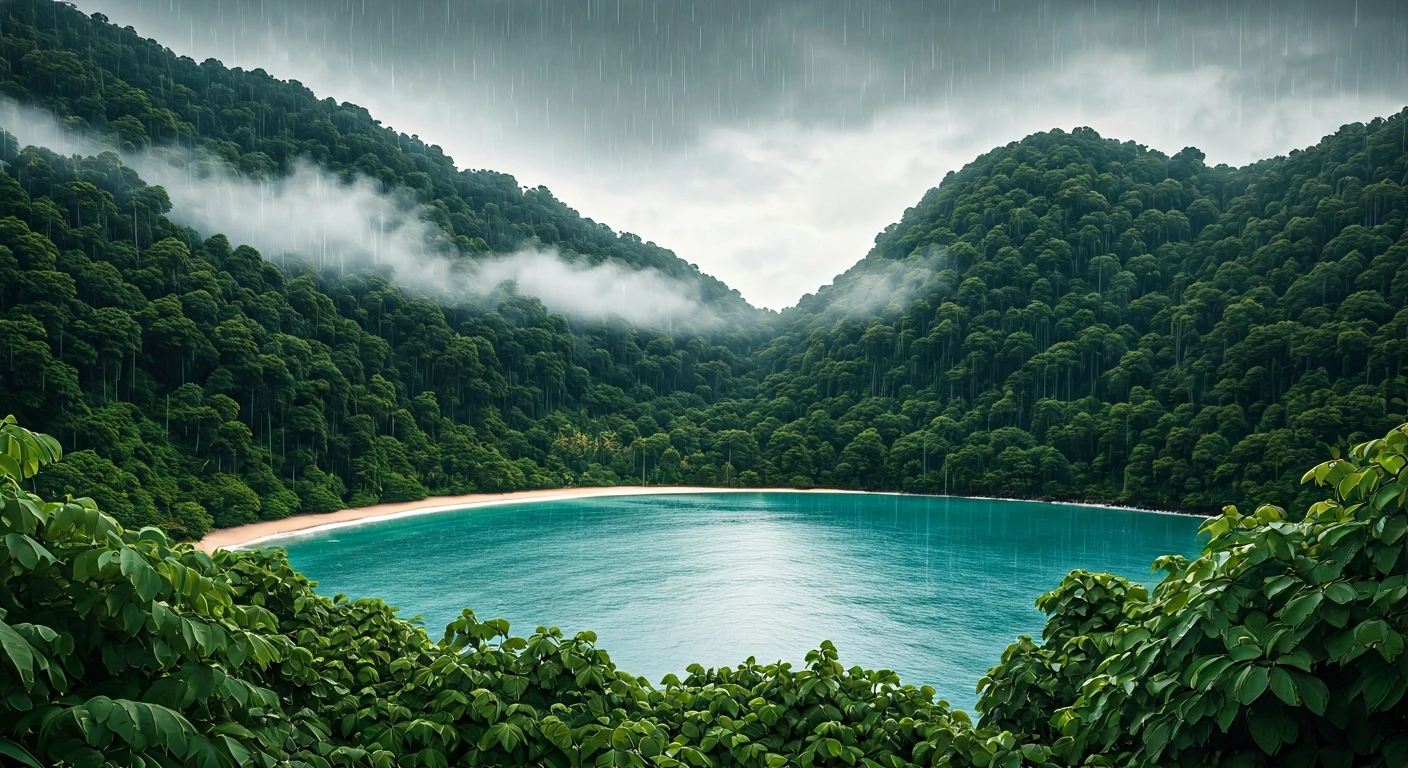
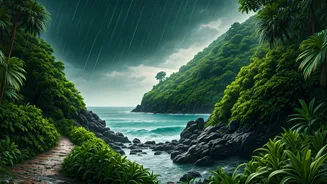
earthy perfume of dry soil meeting the first drops of rain. In the Andaman Islands, an archipelago of over 500 islands far from the Indian mainland, the monsoon arrives not as a spoiler, but as the main event. From May to September, the islands surrender to a daily rhythm of rain. It can be a gentle, persistent drizzle that mists the entire landscape or a dramatic downpour that drums a primal beat on the tin roofs and broad-leafed jungle canopy. This isn't the kind of weather that traps you indoors; it’s an atmospheric shift that invites you to see the world differently, cooled and cleansed.
A World Washed Anew
The true reward of the monsoon is the visual transformation. The intense, tropical sun of the dry season can bleach the landscape, but the rains act as a massive saturation filter. Everything becomes more vibrant. The rice paddies that quilt the flatter parts of inhabited islands turn a shocking, almost fluorescent green. The foliage of the dense rainforests—already a deep emerald—takes on a glossy, wet sheen, with shades of jade, olive, and lime competing for attention. Waterfalls that are mere trickles for half the year, like those at Wimberleyganj, become roaring torrents, carving their way through volcanic rock. The world feels washed clean, the dust of the dry months settled, leaving behind a pristine landscape humming with renewed life. The air is so clear and the colors so intense that it feels as though you’re walking through a freshly painted masterpiece.
The Quiet Solitude of the Beaches
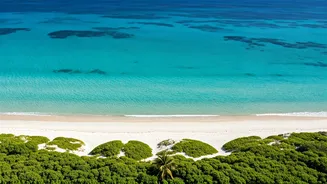
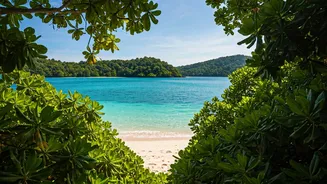
A common fear is that the monsoon ruins the beach experience, but in the Andamans, it simply changes it. World-famous stretches of sand like Radhanagar Beach on Havelock Island (Swaraj Dweep), often cited as one of Asia’s best, take on a different character. The crowds thin out, leaving vast expanses of white sand to the few who venture out between showers. The sky becomes a dramatic canvas of shifting greys, blues, and silvers, offering a more profound and moody beauty than a simple, cloudless blue. The sea, still warm, churns with a gentle power. Walking along the shore during a break in the rain, with the clouds parting to let a silvery light stream through, is a meditative experience. It’s the beach in its most elemental form: just sand, sea, and the immense, expressive sky.
Life in the Emerald Labyrinth
Nowhere is the monsoon's life-giving force more apparent than in the island's mangrove creeks. These brackish waterways are the nurseries of the sea, and the rain supercharges their ecosystem. A kayaking trip through the mangroves near Port Blair or Havelock during this season is an journey into a different dimension. The tangled root systems of the mangrove trees stand like skeletal guardians, their leaves dripping with rain. The water is calm, sheltered from the wind, reflecting the dense green canopy above. The silence is broken only by the plop of a water droplet, the call of a kingfisher, or the gentle dip of your paddle. The rain flushes nutrients into the creeks, making it a prime time for spotting wildlife, from mudskippers skittering on the banks to the occasional saltwater crocodile gliding silently beneath the surface. It’s an immersive, almost prehistoric experience.