






The Goa You Don't Know
Mention Goa, and most Americans picture a sun-drenched, palm-fringed paradise teeming with international travelers, beach parties raging from dusk till dawn, and markets overflowing with colorful trinkets. That version of Goa certainly exists, primarily
from November to February, when the weather is dry and the energy is electric. But there is another Goa, one that emerges when the charter flights stop and the monsoon clouds roll in from the Arabian Sea around June. This is the Goa of the off-season. The beach shacks, a hallmark of the tourist experience, are dismantled and packed away. The frenetic buzz of scooters on coastal roads softens to a gentle hum. In their place comes a quietude so profound it feels like a different world. The air grows heavy with the scent of petrichor—the smell of rain on dry earth—and the landscape, parched from months of sun, drinks it in, exploding into a hundred shades of impossible green.
A Different Kind of Beach Day
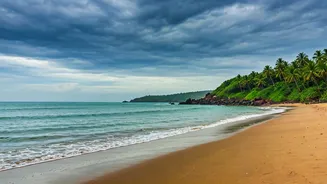
An empty beach during a monsoon is not for sunbathing. It’s for something better. Picture walking hand-in-hand along the vast, wet sand of Agonda or Palolem in South Goa, the only footprints behind you being your own. The sky is a dramatic canvas of charcoal greys and shifting whites, the sea a churning, powerful force that demands your attention. Instead of the gentle lapping of high-season waves, you hear the resonant roar of the ocean, a primal soundtrack to your private stroll. This isn't about claiming a small patch of sand amidst hundreds of other sun-seekers. It’s about feeling like you have the entire coastline to yourself. You can watch local fishermen brave the waves in their traditional outriggers, their silhouettes stark against the moody sky. It’s a time for introspection, for conversation without interruption, and for feeling small in the face of nature’s grandeur—a humbling and connecting experience.
The Green Heart of the Coast
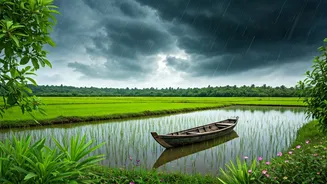
The romance of monsoon Goa isn't confined to the shore. As you move inland, the state reveals its lush, verdant heart. The narrow lanes that wind through tiny villages are flanked by emerald-green rice paddies, their surfaces shimmering with rainwater. Ancient banyan trees seem to drip with life, and the crumbling walls of old Portuguese villas are reclaimed by creeping vines and vibrant moss. This is the perfect time to rent a car or a scooter and simply get lost. Discover a centuries-old church half-hidden by foliage, or find your way to a spice plantation where the air is thick with the aroma of cardamom, vanilla, and black pepper. The absence of crowds means you can experience these places with a quiet authenticity that’s impossible during peak season. You’re not just a tourist being shuttled from one attraction to the next; you’re an explorer discovering a landscape at its most raw and beautiful.
Cozy Corners and Local Flavor
When a sudden downpour begins, as it often does, the experience is not one of inconvenience but of invitation. It’s a chance to duck into one of the few year-round restaurants or a local café. Inside, the world shrinks to the cozy space around you. The sound of rain drumming on a tin roof becomes the backdrop to an unforgettable meal of Goan fish curry, its tangy coconut base a perfect contrast to the cool, wet weather. This is when the flavors of Goa truly shine. With fewer mouths to feed, chefs have more time, and ingredients feel fresher. You’re more likely to strike up a conversation with the owner, who might share a story about the village or recommend a dish not on the menu. These simple, unhurried moments—sharing a hot cup of chai and a plate of fried pakoras while the world outside is washed clean—are the building blocks of real romance.