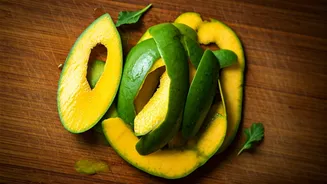






The Power Hiding in the Peel
Before you can be convinced to save something from the trash, you need a good reason. With mango peels, there are several. Like many fruit skins, the peel is a concentrated source of nutrients. Studies have shown that mango peels are packed with polyphenols,
carotenoids, and other antioxidants—compounds that help protect your body's cells from damage. They are also an excellent source of dietary fiber, which is crucial for digestive health. Beyond the vitamins, mango peels contain enzymes that can be harnessed in cooking. The skin holds much of the fruit's characteristic floral, tangy aroma. By saving the peels, you're not just reducing waste; you're capturing the full spectrum of the mango's flavor profile, which can then be infused into other foods and drinks.
A Crucial Safety Warning First
Before you start munching on a raw peel, there is a significant caution. Mangoes belong to the same plant family as poison ivy and poison oak. Their skin, leaves, and sap contain urushiol, the same compound that causes the infamous itchy rash from those plants. For many people, this isn't an issue. But for those with a known sensitivity to poison ivy or a latex allergy, handling or consuming mango skin could trigger a reaction known as contact dermatitis, which can cause redness, itching, and swelling around the mouth. To be safe, always handle mangoes with care. If you know you're sensitive, it's best to avoid the peel entirely. If you're unsure, you can perform a patch test by rubbing a small piece of the peel on your inner wrist and waiting 24-48 hours to see if a reaction develops. Furthermore, always opt for organic mangoes to avoid consuming pesticide residues, and wash them thoroughly with soap and water no matter how you plan to use the peel.
Make a Versatile Mango Peel Powder
One of the easiest and most versatile ways to use mango peels is to turn them into a powder. This shelf-stable spice can be added to smoothies, sprinkled over yogurt, or mixed into spice rubs for chicken or fish to add a tangy, tropical note. To make it, first make sure your peels are thoroughly cleaned. Use a vegetable peeler or a small knife to scrape away any remaining flesh and the tough outer layer, if desired (though not necessary). Lay the peels in a single layer on a baking sheet and bake them in an oven at the lowest possible temperature (or use a food dehydrator) until they are completely dry and brittle. This can take several hours. Once they're fully dried, let them cool completely and then grind them into a fine powder using a spice grinder or a high-powered blender. Store it in an airtight container.
Brew a Fragrant Mango Peel Tea
A quick and delightful way to extract flavor from the peels is by brewing a simple tea. This is a great use for the peels from the mango you just ate for a snack. Simply take the fresh, washed peels of one mango and place them in a small saucepan with about two cups of water. You can add other aromatics like a stick of cinnamon, a few cloves, or a slice of ginger for extra warmth and complexity. Bring the water to a gentle simmer and let it steep on low heat for about 10-15 minutes. The water will take on a beautiful color and a deeply floral, mango-like aroma. Strain the tea into a mug and sweeten with a bit of honey or maple syrup if you like. It's a soothing, waste-free beverage that can be enjoyed hot or chilled over ice.
Create a Zesty Mango-Infused Vinegar
For a more advanced kitchen project, use your mango peels to create a custom-flavored vinegar perfect for salad dressings or marinades. Stuff a clean glass jar with fresh mango peels, packing them in tightly. Pour a mild vinegar, such as apple cider vinegar or white wine vinegar, over the peels until they are completely submerged. Seal the jar and let it sit in a cool, dark place for two to four weeks. The longer it sits, the stronger the mango flavor will become. Give the jar a gentle shake every few days. Once the flavor is to your liking, strain the vinegar through a fine-mesh sieve, discarding the peels. The resulting mango vinegar will have a bright, fruity acidity that can liven up any dish.