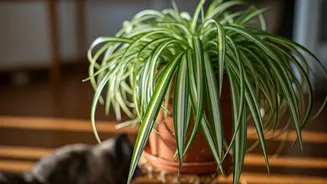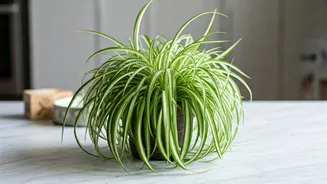



The Ultimate Forgiving Houseplant
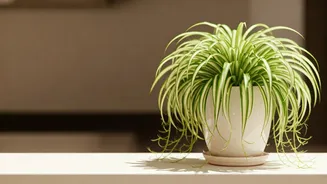
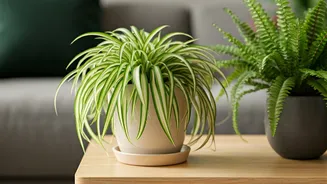
The fear of being a “plant killer” is real. We’ve all brought home a beautiful fern or finicky fiddle-leaf fig only to watch it wither in a matter of weeks. The spider plant (Chlorophytum comosum) is the antidote to that anxiety. Native to tropical and
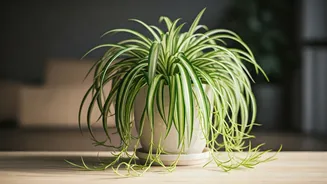
southern Africa, these plants are built to survive. Their thick, fleshy roots, called rhizomes, store water, making them remarkably drought-tolerant. Did you forget to water it for a week or two? It will likely forgive you, perhaps looking a little pale before bouncing back with a good drink. This adaptability extends to lighting. While they prefer bright, indirect sunlight—think a few feet back from an east-facing window—spider plants will tolerate lower light conditions. They won’t grow as quickly or produce as many “babies” in a dim corner, but they will survive. This resilience makes them a perfect fit for apartments, offices, and homes where perfect, sun-drenched windows are in short supply. They don’t demand constant attention; they simply coexist, adding a splash of life without adding to your to-do list.
A Certified Peace of Mind for Pet Owners
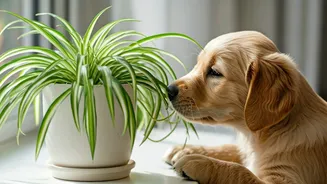
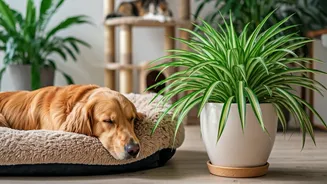
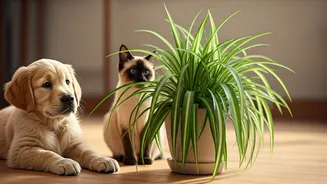
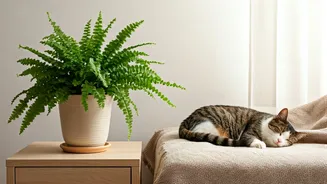
For pet owners, bringing a new plant indoors comes with a crucial question: is it toxic? Many popular houseplants, like lilies, pothos, and snake plants, can be harmful if ingested by cats or dogs. This is where the spider plant truly shines. According to the American Society for the Prevention of Cruelty to Animals (ASPCA), spider plants are officially non-toxic to both cats and dogs. This means if your curious cat decides to bat at its cascading leaves or your puppy takes a nibble, you don’t have to panic. It’s worth noting that spider plants have a mild hallucinogenic effect on cats (similar to catnip, but much weaker), which is why some felines are particularly drawn to chewing on them. While not poisonous, consuming large amounts of any plant material can cause mild digestive upset like vomiting or diarrhea. To keep both your plant looking its best and your pet feeling great, it’s still a good idea to place it in a hanging basket or on a shelf just out of easy reach.
Simple Care: Light and Water Basics
Keeping a spider plant happy is refreshingly simple. Here’s the only guide you’ll ever need: **Water:** Don’t overwater. This is the single most common mistake. Wait until the top inch or two of soil is completely dry to the touch. When you do water, give it a thorough soaking until water drains from the bottom of the pot, then discard the excess. In winter, you’ll need to water even less frequently. The plant will give you hints: pale, drooping leaves often mean it’s thirsty. **Light:** Bright, indirect light is the sweet spot. Direct, hot sun can scorch its leaves, causing brown spots. If you have a south- or west-facing window, place the plant a few feet away or behind a sheer curtain. They also do surprisingly well under fluorescent office lights, making them a great desk companion.
Decoding Brown Tips and Plantlets
Even the toughest plants have their quirks. You might notice the tips of your spider plant’s leaves turning brown and crispy. This is rarely a sign of a dying plant. More often, it’s a reaction to minerals in tap water, particularly fluoride and chlorine. You can mitigate this by letting your tap water sit out overnight before using it or by watering with distilled or rainwater. If the brown tips bother you, simply snip them off with a clean pair of scissors. One of the most charming features of a happy spider plant is its production of “spiderettes,” or baby plants. These grow on the end of long stems called runners. These are not just for show; they are your ticket to free plants! Once a spiderette develops small roots of its own, you can snip it off the runner and plant it in a small pot of soil. In a few weeks, you’ll have a brand-new plant to keep or give away—a perfect, self-perpetuating gift.