



Understanding the Western Ghats Monsoon
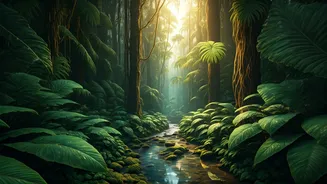
First, a little context for the American traveler. The Western Ghats is a mountain range that runs parallel to the western coast of the Indian peninsula. It’s a biodiversity hotspot, older than the Himalayas. While beautiful year-round, it undergoes a spectacular
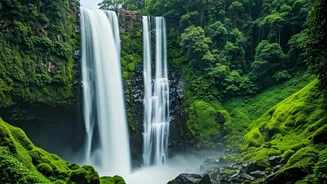
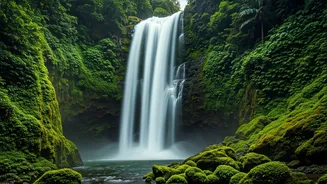
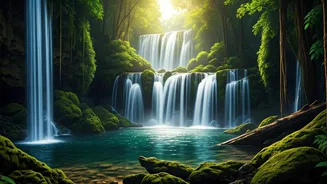
transformation during the monsoon season, typically from June to October. This is when the magic happens. The rains saturate the lush hills, giving life to thousands of temporary, or 'seasonal,' waterfalls. Planning a photography trip during this window is key. You'll trade sunny skies for dramatic, cloudy backdrops and the full, unbridled power of these magnificent water features.
Dudhsagar Falls: The Sea of Milk
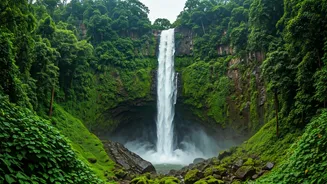
If there's one waterfall that captures the imagination, it's Dudhsagar. The name translates to "Sea of Milk," and once you see its powerful, multi-tiered cascade of white water, you'll understand why. Located on the border of Goa and Karnataka, this is one of India's tallest waterfalls, plunging over 1,000 feet. The most iconic view, and the one you’ve likely seen on social media, includes a train crossing a stone bridge midway down the falls. Accessing the base can be an adventure involving a jeep safari through a national park, but the payoff is an unforgettable spectacle. **Photography Tip:** To get that classic shot with the train, you’ll need patience and a bit of luck with the train schedule. For a different perspective, use a wide-angle lens from the base to emphasize the sheer scale and height of the falls.
Athirappilly Falls: The Niagara of India
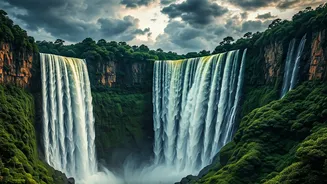
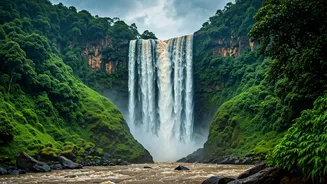
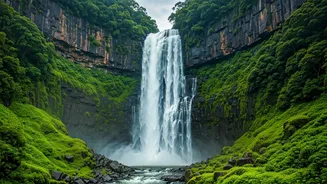
Located in the southern state of Kerala, Athirappilly Falls has earned its nickname. While not as tall as some others, its incredible width and volume, especially during the peak monsoon, are awe-inspiring. The water thunders down a wide, rocky facade, creating a massive cloud of mist. The surrounding area is a lush forest, home to unique wildlife. Its cinematic quality has made it a popular filming location for many Indian movies. The accessibility is excellent, with well-maintained paths leading to multiple viewpoints, including one at the top and another at the bottom of the falls. **Photography Tip:** The immense spray can be a challenge. Bring a lens hood and microfiber cloths. Use this mist to your advantage by framing your subject (like a person looking up at the falls) to create a sense of scale and atmosphere. A polarizing filter can also help cut through the glare on the water and deepen the greens of the foliage.
Jog Falls: A Four-Part Symphony
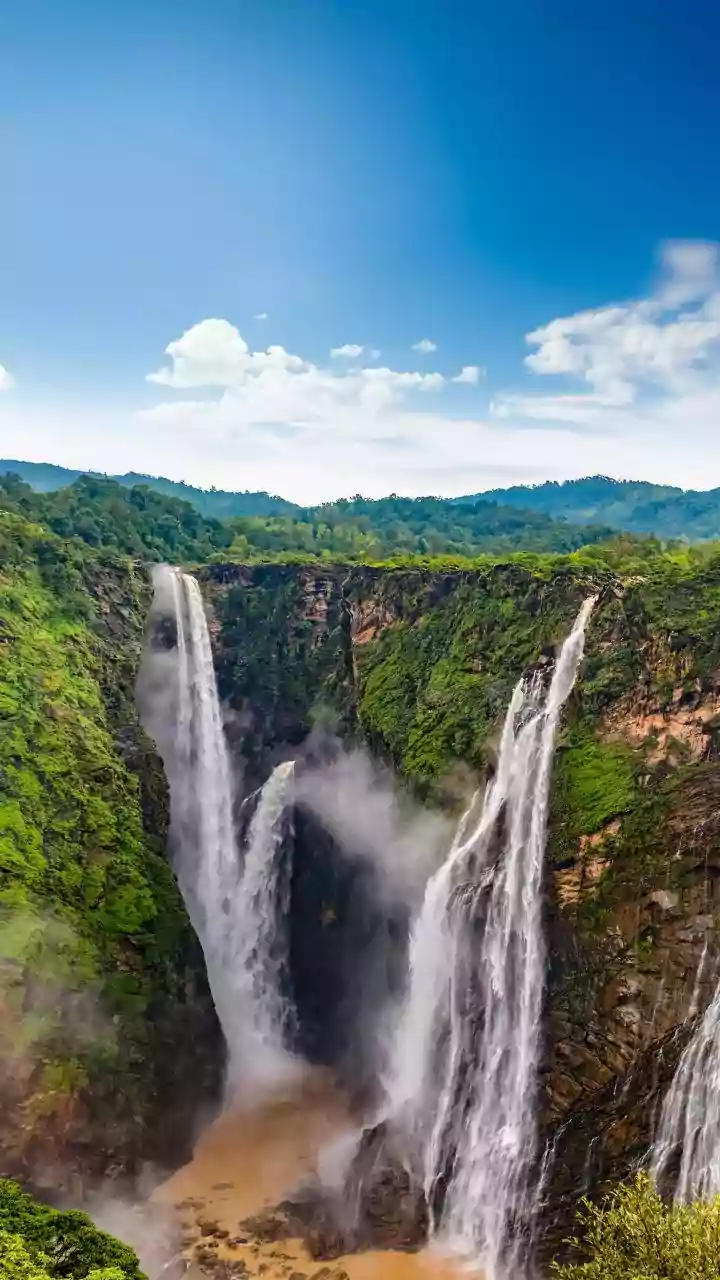
In the state of Karnataka lies Jog Falls, which is truly a sight to behold when the Sharavathi River is in full flood. Unlike a single cascade, Jog Falls is composed of four distinct drops: Raja, Rani, Roarer, and Rocket. During the dry season, they can be a mere trickle, but after heavy rains, they merge into a single, terrifyingly powerful wall of water. The sheer drop is over 800 feet, making it one of the highest plunge waterfalls in India. There are viewing platforms directly opposite the falls that provide a panoramic vantage point perfect for landscape photographers. **Photography Tip:** This is the perfect place to practice long-exposure shots. Bring a sturdy tripod. By using a slow shutter speed (and a neutral density filter to allow for it in daylight), you can transform the crashing water into a silky, ethereal blur, contrasting beautifully with the sharp, rugged cliffs.
Essential Gear and Monsoon Shooting Tips
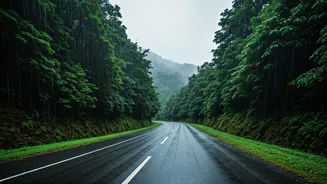
Photographing in a monsoon environment requires preparation. First, protect your gear. A dedicated rain cover for your camera is non-negotiable. Keep extra lens cloths in dry pockets to constantly wipe away mist. A sturdy, stable tripod is crucial, not just for long exposures but for composing shots in slippery conditions. Don't be afraid of the overcast skies; they provide soft, diffused light that is perfect for avoiding harsh shadows and bringing out the rich, saturated colors of the landscape. Finally, think about your composition. Look for leading lines, like a winding path or river, to draw the viewer's eye toward the waterfall. Including a human element can provide a powerful sense of scale and make the scene more relatable.