





More Than Just a Sandwich Bag
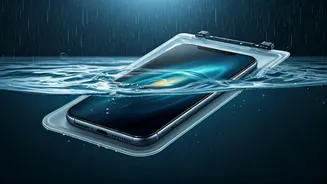
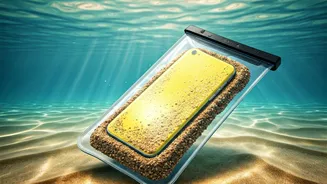
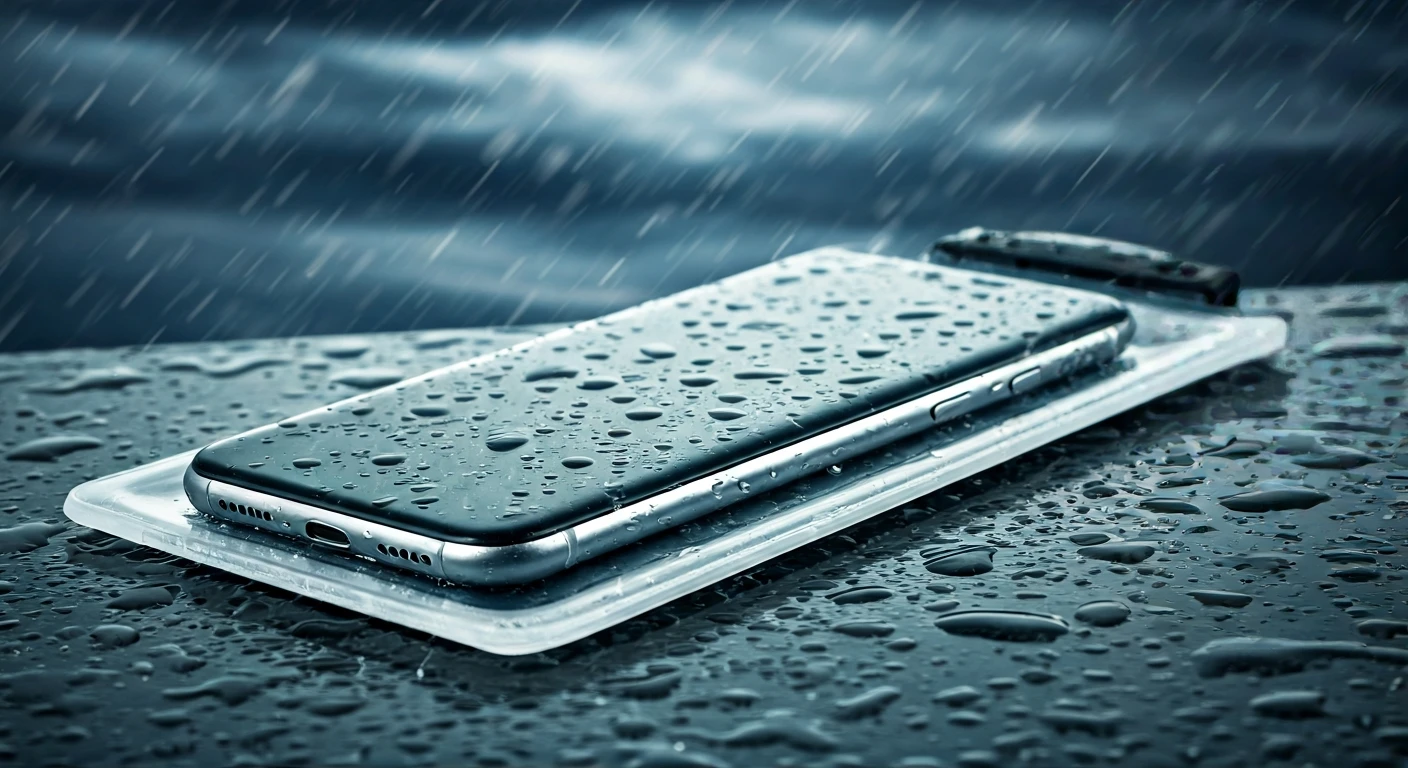
Let’s be clear: we’re not talking about a flimsy Ziploc you grab from the kitchen drawer. While that might offer a prayer in a light drizzle, it’s not built for a real downpour, a fall into a creek, or a day at the waterpark. True waterproof phone pouches
are purpose-built pieces of gear. They are typically constructed from durable, flexible plastics like TPU or PVC and feature robust sealing mechanisms designed to keep water out under pressure. They function as a personal dry-bag for the most expensive electronic device you carry, ensuring that a sudden storm or a capsized kayak doesn't lead to a costly replacement and the loss of precious photos and data.
Decoding the IP Rating
The single most important feature to look for is an Ingress Protection (IP) rating. This is a universal standard that tells you exactly how resistant a device is to water and dust. You'll often see ratings like IPX7 or IPX8 on quality waterproof bags. The 'X' is a placeholder for a dust-resistance rating (which is less critical for a flexible pouch), but the final number is what matters for water. An IPX7 rating means the bag can be submerged in up to 1 meter (about 3.3 feet) of water for 30 minutes. An IPX8 rating is even better, signifying protection in water deeper than 1 meter for an extended period, with the exact depth and time specified by the manufacturer. For most activities—from hiking in the rain to paddleboarding—IPX7 is sufficient, but IPX8 provides ultimate peace of mind.
The Right Material for the Job
Not all clear plastics are created equal. Most waterproof phone pouches are made from either PVC (polyvinyl chloride) or TPU (thermoplastic polyurethane). While both can be effective, TPU is generally considered the superior material. It’s more durable, more resistant to abrasions, and remains flexible in cold temperatures, whereas PVC can become stiff and brittle. Crucially, TPU often provides better touchscreen sensitivity, allowing you to use your phone—reply to a text, check the map, or snap a photo—without removing it from the safety of the pouch. If you have a choice, opting for a TPU-based bag is usually worth the slight difference in cost.
It's All About the Seal
The world's best material is useless without a reliable seal. There are three common types of closures on waterproof phone pouches. The most basic is a press-and-seal system, similar to a heavy-duty freezer bag, often with multiple zip-style tracks. More secure options include a fold-over or roll-top closure, where you roll the top of the bag down several times before securing it with Velcro or a buckle. This creates a powerful barrier against water. The most robust systems use a clamp or lever-lock mechanism, where two rigid plastic pieces clamp down over the opening, creating an airtight and watertight seal. For simple splash protection, a good zip-seal works, but for any activity involving potential submersion, a roll-top or clamp-lock system is far more reliable.
Look for Functional Design
A good waterproof bag should protect your phone, not make it impossible to use. Check for features that fit your lifestyle. Is the plastic clear on both sides, allowing you to use both the front and back cameras? Many cheaper bags only have a clear window on one side. Does it come with a strong, adjustable lanyard for wearing around your neck or securing to a backpack? This simple feature prevents you from dropping it in the first place. Also, consider the size. You want a snug fit, but one that still allows you to easily slide your phone in and out, even if it has a slim case on it. Some larger pouches even have enough room for your phone, a credit card, and some cash, turning them into a complete minimalist wallet for your adventures.
The Pre-Adventure Paper Towel Test
Here's the final, non-negotiable step before you trust a new waterproof bag with your phone: test it. Before you head out, place a dry paper towel or tissue inside the pouch, seal it securely according to the instructions, and submerge it completely in a sink or bucket of water for at least 30 minutes. Weigh it down with a mug so it stays under. After the time is up, pull the pouch out, dry the exterior completely, and then open it. If the paper towel is perfectly dry, you have a winner. If you see even a hint of moisture, the bag is not trustworthy. This simple, five-minute test can save you hundreds of dollars and a major headache.