





The End of the Hotel Hallway Hangout
Remember the classic group trip hotel experience? It involved a lot of logistical gymnastics. You’d book a block of rooms, then spend half the trip texting “which room are we meeting in?” or congregating awkwardly in the lobby. The social heart of the trip was
fractured, scattered across separate, identical boxes connected by a long, impersonal hallway. Hotels are built for privacy and efficiency, catering perfectly to business travelers, couples, or small families. But for a group of eight friends looking to reconnect, the structure feels isolating. There’s no central hub. Spontaneous moments are stifled by the friction of key cards, elevators, and the quiet decorum of a shared public space. The “pre-game” happens in a cramped room where half the group has to sit on the bed, and late-night conversations are cut short by the need to retreat to separate quarters. This isn't what people want anymore.
The Allure of the Common Space
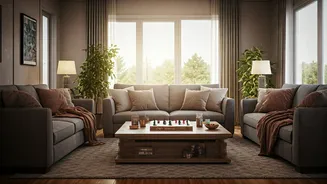
What friend groups are truly craving is a common space. The magic of a group getaway doesn't happen at the tourist attraction; it happens in the downtime. It’s the late-night conversation over a bowl of chips in the kitchen. It’s the lazy morning where everyone makes coffee at their own pace and gathers on a sprawling sofa. It’s the impromptu board game tournament in the living room on a rainy afternoon. This is the promise of the vacation rental. A single booking provides a shared kitchen, a comfortable living room, and often a backyard or patio. These spaces become the stage for the trip's best moments. Instead of coordinating dinner reservations for a large party, the group can cook a meal together, saving money and creating a bonding experience. The formality of a hotel is replaced by the lived-in comfort of a home, allowing for a more relaxed and authentic mode of connection. It’s less about a place to sleep and more about a place to *be*—together.
Logistics, Control, and Cost
Beyond the vibes, the practicalities are undeniable. For groups, a large rental home is often significantly more cost-effective than booking multiple hotel rooms. When the price is split ten ways, a luxurious house with a pool can become more affordable than a mid-range hotel. This financial calculus opens up possibilities, allowing groups to either save money or upgrade their experience. Then there’s the element of control. In a rental, your schedule is your own. There’s no housekeeping staff knocking at 9 a.m., no closing time for the “lobby bar” (which is now just the fridge you stocked yourselves), and no need to get dressed to grab a snack. You control the music, the menu, and the thermostat. This autonomy is liberating, removing the subtle pressures and constraints of the traditional hospitality model and letting the group dictate the flow of their own vacation.
The Hospitality Industry Adapts
The hotel industry, far from being oblivious, is taking notes. The massive shift in consumer preference has not gone unnoticed. In response, we're seeing a wave of innovation aimed at capturing the group travel market. New “aparthotel” concepts are blending the service of a hotel with the space and amenities of an apartment. Major hotel chains are designing and marketing multi-room suites with full kitchens and living areas, directly competing with platforms like Airbnb and Vrbo. Some have even launched their own curated home rental divisions. They’re experimenting with connected rooms that can be easily combined into larger suites and designing more inviting, functional lobby spaces that encourage social gathering. While they may never fully replicate the privacy and unique character of a standalone rental home, hotels are signaling that they understand the new mandate: for modern group travel, community is the ultimate luxury.