




The MVP: A High-Quality Primer
Let’s cut to the chase. The single most important product for achieving makeup that withstands heat, sweat, and humidity is a makeup primer. While setting sprays get a lot of love for their finishing power, primer is the product that does the heavy lifting
from the very beginning. Think of it as the ultimate gatekeeper between your skin’s natural oils and the elements, and the makeup you’re about to apply. It’s not just an optional, extra step; in humid conditions, it’s the non-negotiable foundation of your entire look. A good primer creates a smooth, slightly tacky surface that foundation, concealer, and blush can grip onto for dear life, preventing them from sliding, creasing, or fading away as the day wears on.
How It Creates a Weatherproof Shield
What magical science is at work here? Most long-wearing primers use a base of silicones (like dimethicone) to create a permeable, breathable barrier on the skin. This film does two crucial things. First, it fills in fine lines, blurs the appearance of large pores, and smooths out skin texture, creating a perfectly even canvas. Makeup applied over a smooth surface will always look better and last longer. Second, and more importantly for humid weather, this barrier prevents your skin’s natural oils and sweat from breaking down your foundation from underneath. Simultaneously, it helps shield your makeup from environmental moisture. Whether you choose a mattifying formula to control oil or a hydrating one to prevent dryness, the core function remains the same: to lock everything in place.
Application Is Everything
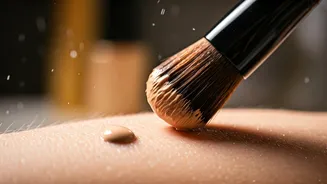
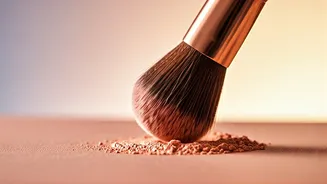
Simply slapping on primer won’t do. Technique is key to unlocking its full potential. Start with a clean, moisturized face, but make sure your moisturizer has fully absorbed. Squeeze out a pea-sized amount of primer—using too much is a common mistake that can cause pilling. Dot it onto the center of your face (forehead, nose, and chin) and gently blend it outwards with your fingertips or a dense brush. Pay special attention to your T-zone or any areas where you get particularly oily or where makeup tends to disappear first. The most critical part? Wait. Give your primer a full 60 seconds to set before you even think about applying foundation. This allows it to form that crucial film, ensuring it’s ready to grip the makeup that follows.
Build Your Humidity-Proof Arsenal
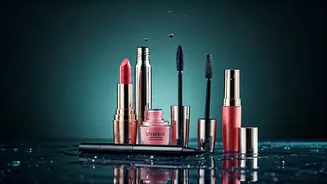
While primer is your starting player, it works best as part of a team. Once your base is prepped, make other smart choices to complete your weatherproof look.
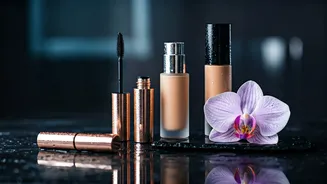
- **Go Light on Foundation:** Instead of a heavy layer, opt for a long-wear, water-resistant formula and apply it sparingly. Better yet, consider a tinted moisturizer or even just spot-concealing where needed. Less product means less to melt off.
- **Choose Cream and Liquid Formulas:** Cream blushes, bronzers, and even eyeshadows tend to meld with the skin more seamlessly than powders. They are less likely to look cakey or patchy in high humidity. You can always set them with a tiny bit of translucent powder if needed.
- **Invest in Waterproof Mascara:** This one is a no-brainer. A reliable waterproof mascara will prevent smudging and running, whether you’re dealing with sweat, rain, or watery eyes from summer allergies.
- **Lock It In with a Setting Spray:** Now is the time for that setting spray. After all your makeup is complete, a few spritzes will act as the final seal, locking in your primer’s hard work and adding an extra layer of protection.
Common Mistakes to Avoid
Even with the right product, a few missteps can sabotage your efforts. Avoid pairing a silicone-based primer with a water-based foundation, as they can repel each other and cause a separated, patchy look (check the first few ingredients to be sure). Don't apply primer to unmoisturized, dry skin, as it can cling to dry patches. And finally, resist the urge to pile on more product. In the battle against humidity, less is truly more. A strategic, well-prepped application will always outperform layers of caked-on makeup.