




Welcome to the Era of Weather Whiplash
If you feel like the weather has become more chaotic and less reliable, you’re right. Meteorologists and climate scientists point to a phenomenon of increasing volatility. It’s not simply that summers are hotter; it’s that the transitions are more abrupt
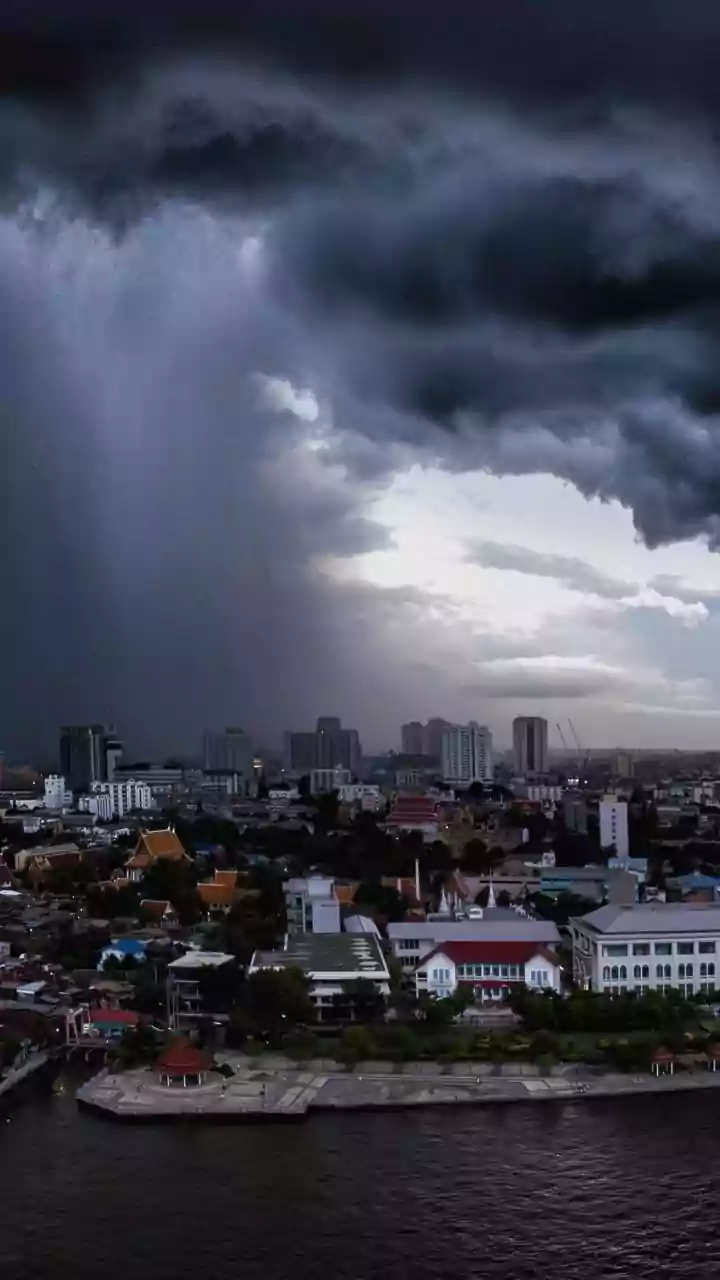
and the events more intense. A sunny morning can devolve into a severe thunderstorm warning with little notice. A week of pleasant spring weather can be followed by a record-breaking heatwave. Wildfire smoke, once a regional West Coast issue, now creates hazy, unhealthy skies thousands of miles away. This “weather whiplash” is the direct result of a changing climate. A warmer atmosphere holds more moisture, leading to heavier downpours and flash flooding. Shifting jet stream patterns can cause heat domes to stall over entire regions for days. This means your trusty ten-day forecast is less of a guarantee and more of a suggestion. Successfully planning outdoor activities in this environment requires a new playbook—one based on flexibility, information, and preparation.
Become Your Own Micro-Forecaster
Relying on a single weather app checked once in the morning is no longer enough. To stay ahead of today’s fickle weather, you need to think like a storm chaser (minus the danger). It’s time to upgrade your information toolkit.
First, embrace hyperlocal forecasting. Apps like Carrot Weather or the Weather Channel’s app provide minute-by-minute precipitation predictions for your exact location. They can tell you if that dark cloud will bring a 10-minute shower or a two-hour deluge. Second, get familiar with radar. Apps like MyRadar or the radar layer in most weather apps show you not just where the rain *is*, but where it's moving and how intense it is. This is crucial for timing a hike or a bike ride between storm cells. Finally, don't forget air quality. The EPA's AirNow.gov website and app are essential, especially during wildfire season. A beautiful, sunny day can be deceiving if the air is unhealthy to breathe.
Master the Art of the 'Plan B'
The single most powerful tool against weather anxiety is having a great backup plan that you’re genuinely excited about. The goal is to eliminate the feeling of disappointment and replace it with a new opportunity. Instead of just canceling, you pivot.
Before your next big park day, do a little reconnaissance. Is there a cool brewery with a covered patio nearby? A local museum with a new exhibit you’ve wanted to see? A bowling alley or an indoor climbing gym? Having two or three pre-vetted, weather-proof alternatives for any given outing removes the last-minute scramble. You can even frame it as a choice: “Okay team, the forecast looks dicey. Do we risk the hike, or do we cash in our 'awesome indoor mini-golf' ticket?” When Plan B feels like a prize and not a punishment, the weather loses its power to ruin your day.
Gear Up for Four Seasons in One Day
Your gear closet needs to reflect the new reality. Think less about specialized, single-purpose items and more about versatile, adaptable layers. The mantra is “be prepared, not burdened.” A lightweight, packable rain shell should be a permanent resident of your daypack or car trunk, even on a sunny day. Choosing quick-drying fabrics over cotton can make the difference between a minor inconvenience and a miserable, soggy afternoon.
This extends beyond clothing. Keep a “go-bag” in your car with essentials for a sudden change of plans: a blanket, a deck of cards, a portable charger, and a few good snacks. And with wildfire smoke now a national concern, it’s wise for every household to have a stash of N95 or KN95 masks on hand. Being able to grab them on your way out the door means you can still salvage a walk or run even on a moderately hazy day, protecting your lungs from harmful particulates.