

Understanding the Monsoon Environment
First, let's clarify what “monsoon season” really means. For many Americans, it conjures images of a steady, cleansing rain. But in South and Southeast Asia, the monsoon is an intense, transformative climate event. From roughly June to September, it brings
not just torrential downpours but also extreme humidity and consistently high temperatures. While it’s a welcome relief from scorching pre-monsoon heat and vital for agriculture, this combination of water and warmth creates a perfect incubator for things you definitely don’t want to eat. The entire environment shifts, and with it, the rules of food safety. What works in a dry, air-conditioned American supermarket simply doesn't apply when the air itself is thick with moisture.
The Problem with Water
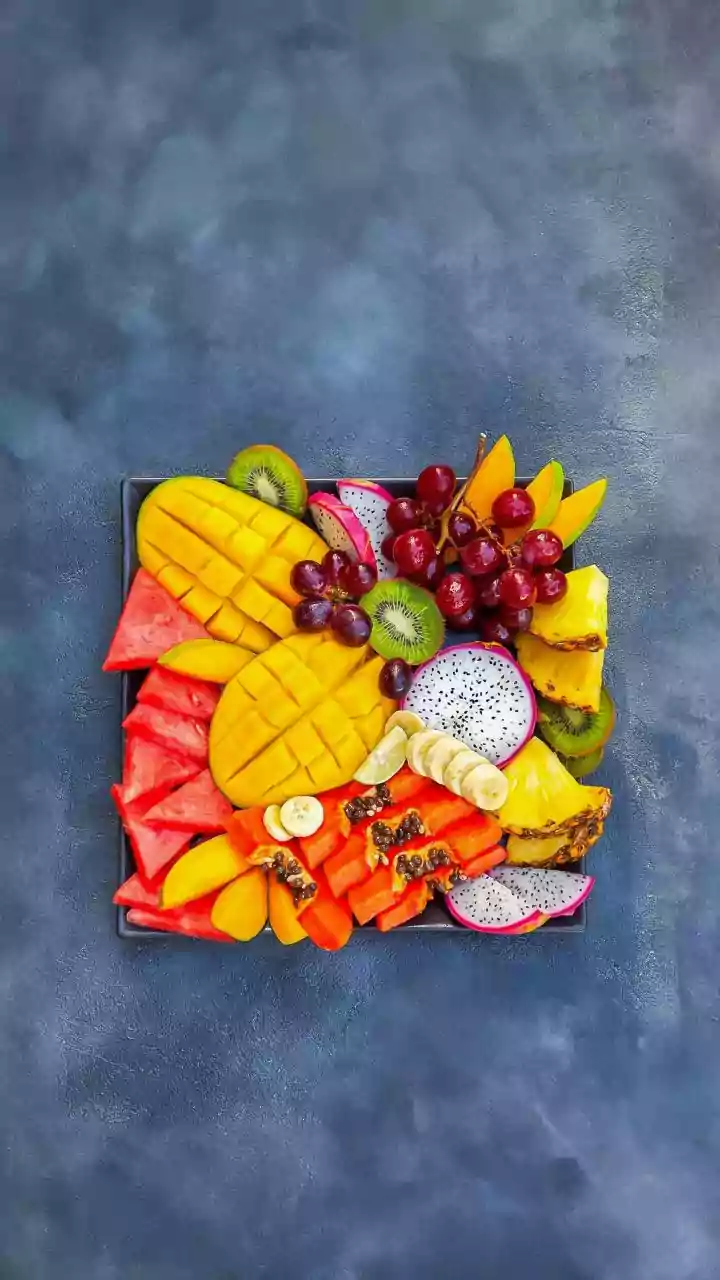
The primary danger of pre-cut fruit during the monsoon is water contamination. Those neat slices of mango, papaya, and pineapple are often washed by street vendors or in kitchens before being packaged. During the monsoon, however, widespread flooding and drainage system overflows can contaminate public water supplies with sewage and agricultural runoff. This introduces a host of waterborne pathogens like E. coli, Salmonella, cholera, and typhoid into the system. A fruit that’s been rinsed in or even just spritzed with contaminated water becomes a direct vehicle for illness. The fruit’s natural peel is its armor. Once that protective layer is cut, its exposed flesh is like a sponge, ready to absorb whatever it’s washed with.
A Breeding Ground for Bacteria
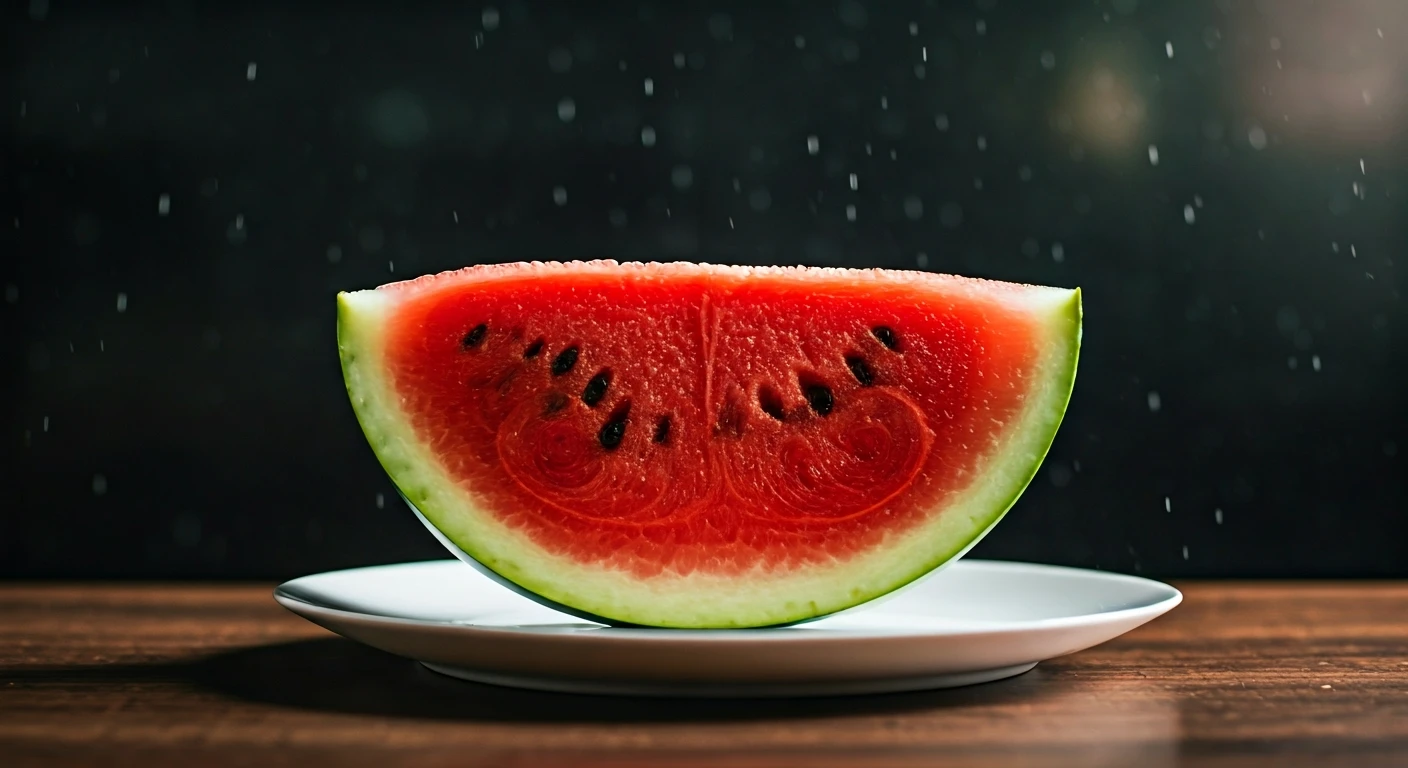
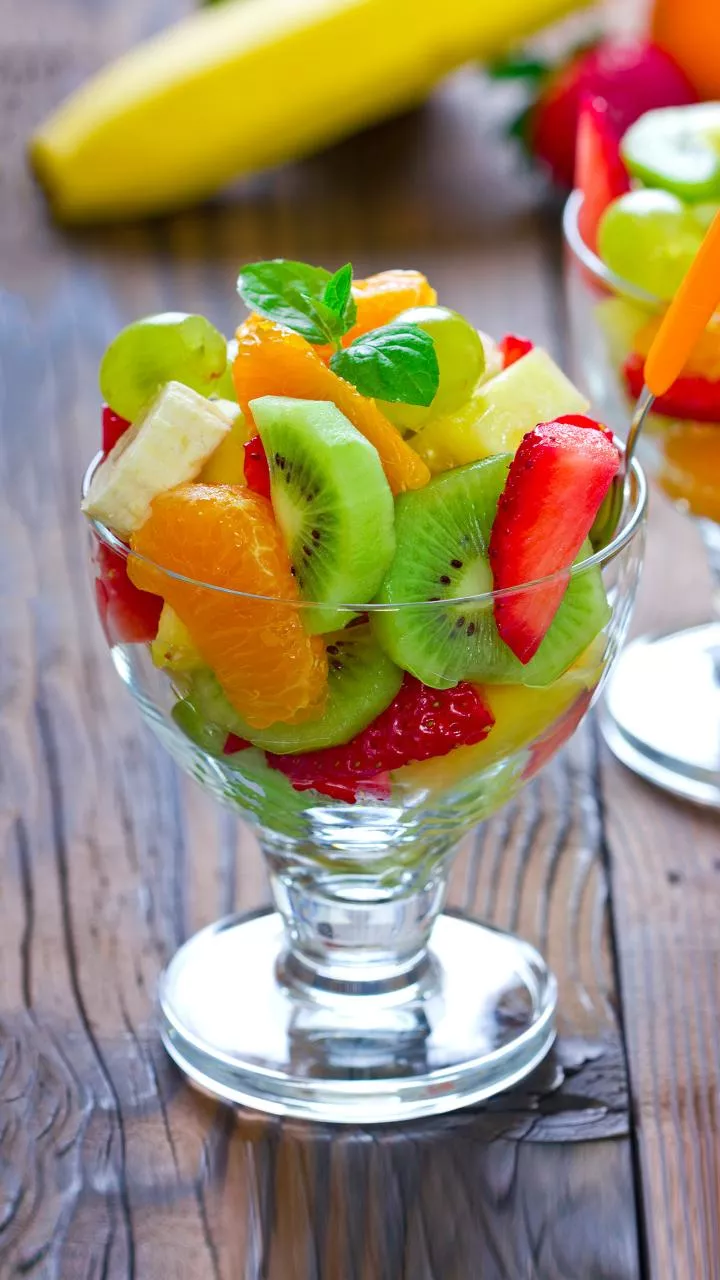
Even if the fruit was washed in perfectly clean water, the battle isn't over. The moment a fruit’s skin is broken, its sugars are exposed to the air. In the high-humidity, high-heat environment of a monsoon, this is an open invitation for bacteria and fungi to thrive. The air is thick with moisture, which accelerates spoilage at a shocking rate. A piece of cut melon that might last for hours on a dry day can begin to ferment or grow mold much faster when the air is already saturated. Furthermore, this is peak season for flies and other insects, which are notorious for transferring germs from unsanitary surfaces directly onto exposed food. That plastic lid on your fruit cup offers minimal protection against microscopic invaders that were introduced long before you bought it.
The Real Flex: Whole and Fresh
So, what’s the smart move? It’s not about forgoing the delicious tropical fruits that are abundant during this season. The real “flex”—the savvy, impressive choice—is to buy your fruit whole. A banana in its peel, a mango with its skin intact, or a whole pineapple are all naturally protected. The local wisdom is to take them home, wash the exterior thoroughly yourself (using boiled, filtered, or bottled water if you’re unsure of the tap water’s safety), and only cut them right before you plan to eat them. This simple practice eliminates the two biggest risks: contaminated water used by a vendor and prolonged exposure of the fruit’s flesh to the humid air. You get all the flavor and nutritional benefit without the gamble. It’s a sign of being an informed traveler or a savvy resident, not a tourist falling for a risky convenience.