



The Cooling Magic of Raita
If you’ve ever enjoyed a meal at an Indian restaurant, you’ve likely encountered raita. It’s the cooling, creamy yogurt sauce often served alongside spicy curries, biryanis, and grilled meats. At its core, raita is a simple concept: plain yogurt mixed
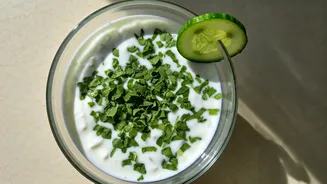
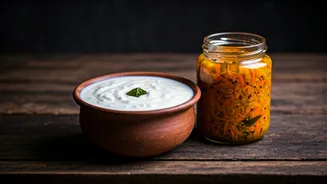
with a variety of raw vegetables, herbs, and spices. The most common versions in the U.S. feature grated cucumber and mint, but in India, the variations are nearly endless, incorporating everything from chopped onions and tomatoes (pyaaz tamatar raita) to tiny fried chickpea flour balls (boondi raita). Its purpose is twofold. First, it provides immediate relief from the heat of chiles, as the casein in dairy binds to the capsaicin, neutralizing the burn. Second, it adds a layer of tangy, refreshing flavor and textural contrast that brightens up an entire plate. Think of it as a savory yogurt smoothie that doubles as a condiment—a beloved staple for its ability to balance rich, complex dishes and make a meal feel more complete and digestible, especially in hot weather.
Meet Moringa, the Nutrient Powerhouse
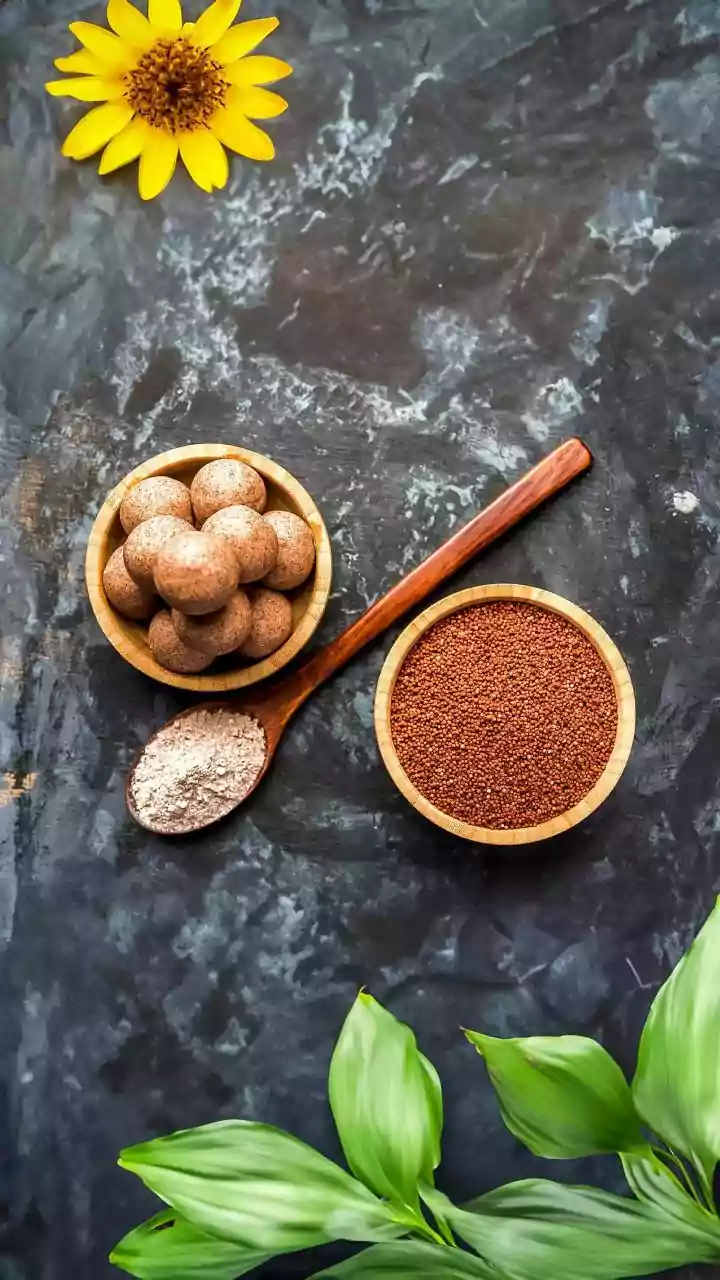
While raita is a familiar friend, moringa might be a new acquaintance for many. Derived from the Moringa oleifera tree, native to parts of India and Africa, it’s often called the “drumstick tree” or “miracle tree,” and for good reason. For centuries, it has been a cornerstone of traditional medicine, and modern science is finally catching up to its remarkable benefits. The leaves are incredibly nutrient-dense, packed with vitamins A, C, and E, plus calcium, potassium, and protein. In its popular powdered form, moringa is a concentrated source of antioxidants, which help fight inflammation and cellular damage. But what does it taste like? If you’re imagining something medicinal or strange, you’ll be pleasantly surprised. Moringa powder has a mild, earthy flavor reminiscent of spinach or matcha green tea. This subtle, green taste makes it surprisingly versatile. It can be whisked into smoothies, sprinkled over salads, or stirred into soups and sauces without overpowering other ingredients. It adds a boost of nutrition and a pleasant, vegetal note that complements a wide range of foods.
A Combination That Just Works
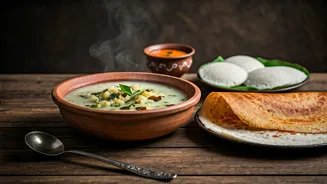
This is where the “summer sense” comes in. Combining the cool, probiotic-rich tang of yogurt with the earthy, nutrient-rich profile of moringa creates a culinary and wellness synergy. The yogurt’s bright acidity beautifully cuts through and lifts moringa's earthy notes, preventing the dip from tasting heavy or grassy. Instead, the flavors meld into something that is both refreshing and complex. The result is a vibrant, pale green raita that’s not just a treat for the palate but a boon for your body. You get the digestive benefits and cooling properties of yogurt, plus the powerful vitamin and antioxidant load from moringa. It’s a simple, effective way to elevate a humble side dish into a functional superfood without sacrificing flavor. In fact, the combination is arguably more delicious and interesting than its individual parts.
How to Make Your Own Moringa Raita
Making moringa raita is incredibly simple and requires no precise recipe, making it perfect for lazy summer days. You can find moringa powder at most health food stores, South Asian groceries, or online. Start with about a cup of plain yogurt. Whole milk yogurt will give you the creamiest result, but Greek yogurt works well for a thicker, dip-like consistency. Whisk in one to two teaspoons of moringa powder until it’s fully incorporated and the color is uniform. From there, season it to your liking. A pinch of salt is essential. Roasted cumin powder is a classic raita addition that adds a wonderful, smoky depth. You could also add a pinch of black pepper or a tiny dash of cayenne for a subtle kick. To make it a complete raita, consider adding texture. Finely chopped mint leaves, cilantro, or grated cucumber are excellent choices that bridge the gap between this modern version and its traditional counterparts. Let it sit in the fridge for about 15-20 minutes to allow the flavors to meld. Serve it as a dip with fresh vegetables or pita bread, a sauce for grilled chicken or fish, or a cooling dollop on a spicy grain bowl.