





The End of the Whirlwind Tour
For decades, the classic image of international tourism often involved a large group, a tight schedule, and a mad dash to tick off as many famous landmarks as possible. Think seven European capitals in ten days, with just enough time for a photo in front
of the Eiffel Tower or the Colosseum before rushing back to the bus. For many emerging travel markets, including India's burgeoning middle class, this was the aspirational dream. It was proof of having 'arrived,' a collection of tangible moments from iconic places. But that model is starting to feel dated. Recent travel data and industry reports reveal a significant pivot. Travelers from India, now more experienced and digitally savvy than ever, are increasingly turning their backs on the 'more is more' approach. The frustration of elbowing through crowds for a fleeting glimpse of a masterpiece is being replaced by a desire for space, peace, and substance. The bucket list isn't being thrown out, but it's being completely rewritten.
What 'Connection' Really Means
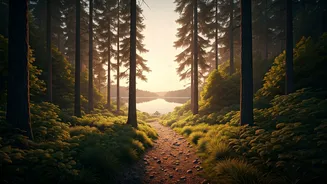
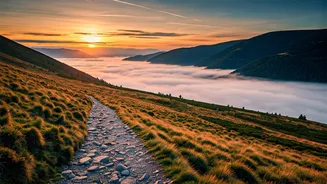
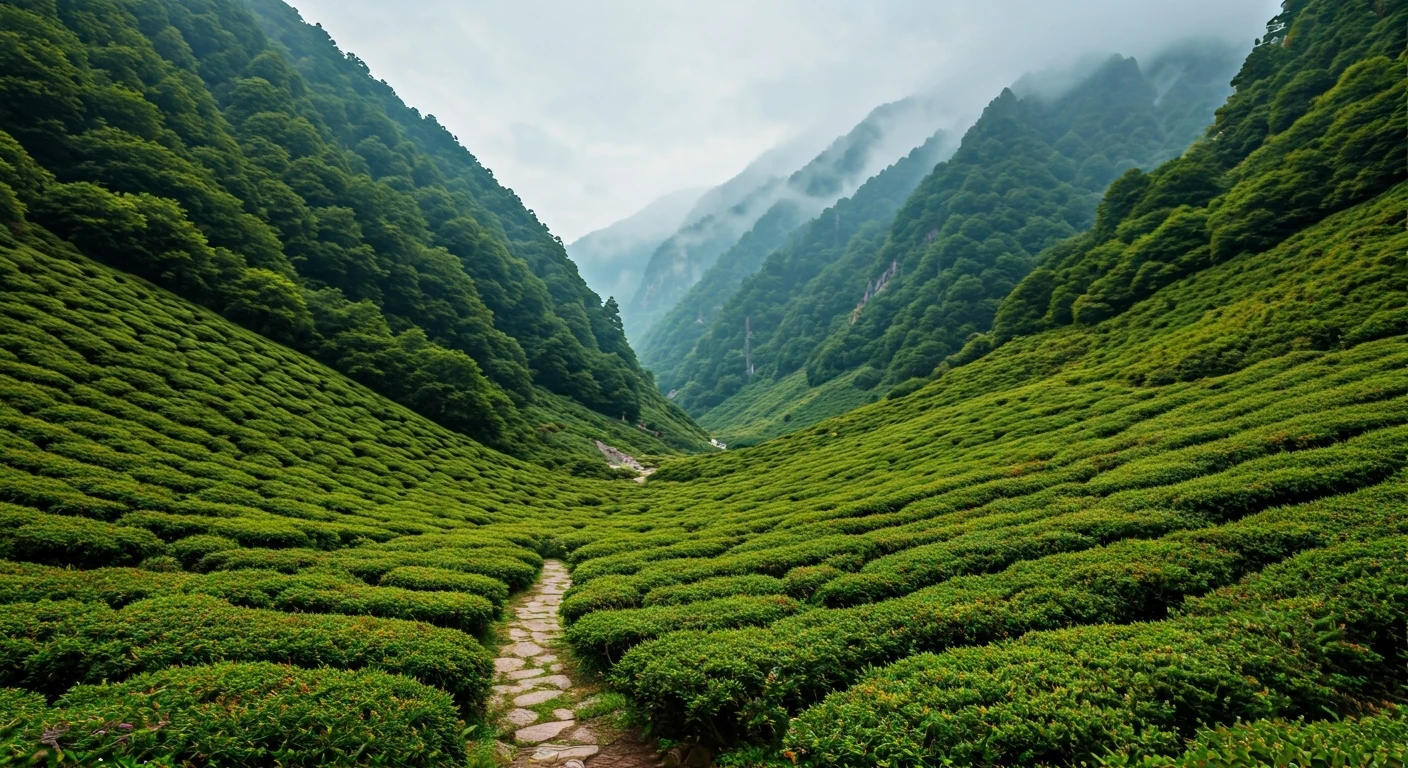
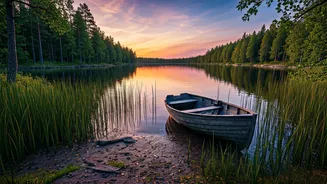
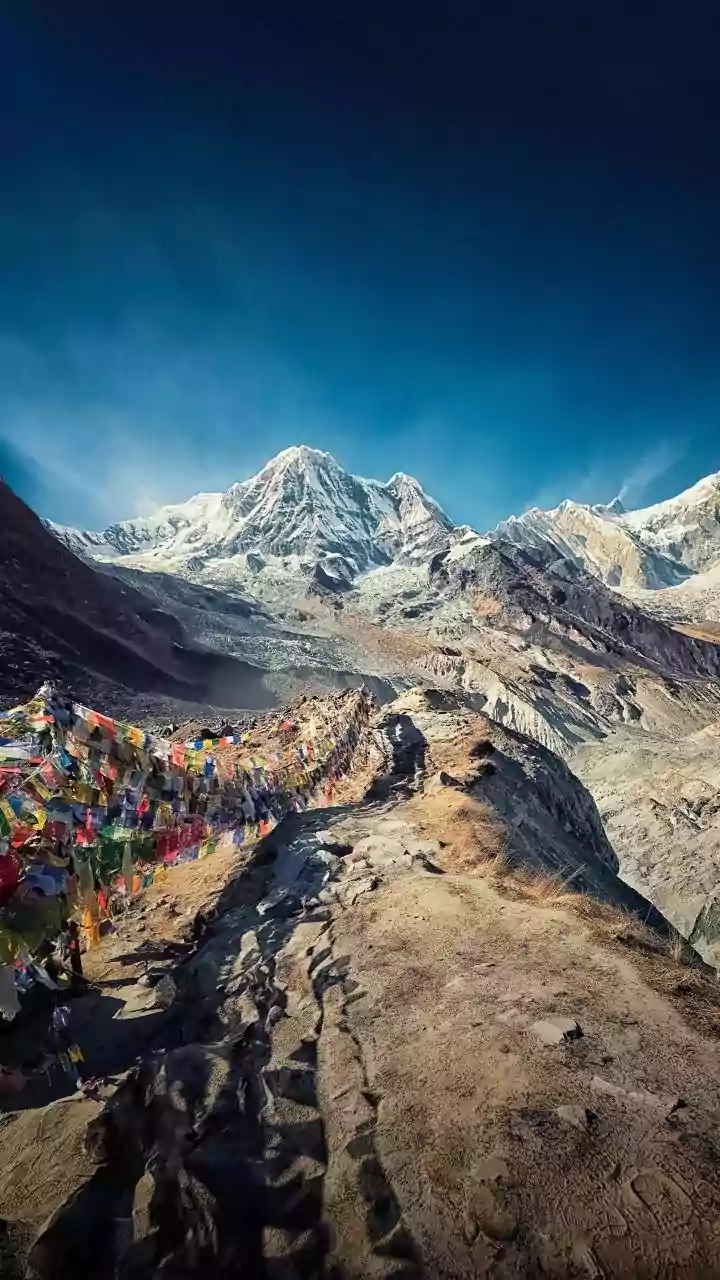
So, if they’re not flocking to the usual suspects, where are they going and what are they seeking? The answer lies in the word "connection." This isn't just a vague wellness buzzword; it's a tangible shift in travel goals. For some, it means a connection to nature. Instead of a bustling city, they’re choosing hiking trips in the Scottish Highlands, serene stays near Swiss lakes, or exploring the quiet beauty of America’s national parks beyond the main viewpoints. Eco-lodges, farm stays, and off-grid cabins are surging in popularity.
For others, connection is about culture. This goes beyond a superficial cultural show. It’s about taking a local cooking class in Thailand, staying in a family-run 'haveli' in Rajasthan, or learning a traditional craft from an artisan in a small Italian village. It’s about swapping stories with a local guide instead of listening to a pre-recorded audio tour. This type of travel, often called 'slow travel,' prioritizes depth over breadth, allowing for genuine interaction and a richer understanding of a place.
The Drivers Behind the Shift
This evolution isn't happening in a vacuum. Several factors are fueling the trend. The first and most obvious is the post-pandemic effect. Lockdowns and travel restrictions gave many people a newfound appreciation for open spaces and a distaste for crowds. The experience of being packed together suddenly felt less exciting and more stressful.
Second, the Indian travel market has matured. A generation ago, an international trip was a once-in-a-lifetime event for many. Today, a growing population of millennials and Gen Z travelers, with higher disposable incomes and global exposure through social media, see travel as a regular part of life. They've already seen the big landmarks on Instagram; now they want the unique, story-worthy experience that their friends haven't had. Platforms like Instagram and Pinterest have ironically helped this trend, popularizing niche destinations and hidden gems that offer a more authentic-feeling backdrop.
Finally, there's a generational shift in values. Younger travelers are often more conscious of sustainability and the impact of their choices. They are more likely to seek out businesses that support local communities and protect the environment, aligning with the principles of responsible, low-impact tourism.
Why This Matters for Global Tourism
This isn't just a regional trend; it's a signal for the entire global travel industry. With India projected to become one of the world's largest outbound travel markets, its travelers' preferences will shape destinations and businesses for years to come. For tourism boards in the U.S. and Europe, simply marketing New York City or London is no longer enough. The smart play is to highlight unique regional experiences: wine tasting in Napa Valley, exploring the music scene in Nashville, or hiking in Zion National Park.
Hotels, tour operators, and local businesses that can offer personalized, authentic, and less-crowded experiences are poised to win. The future isn't about building another giant resort; it's about curating moments of genuine connection. The focus is shifting from mass-market appeal to a more thoughtful, curated, and ultimately more rewarding form of travel.