





The End of the Food Hangover
For decades, our food culture operated on a simple binary: you had your “healthy” food and your “cheat” meals. One was for discipline, the other for indulgence. The problem was the aftermath. That greasy pizza, while delicious, often came with a side
of bloating and lethargy. That sugary pint of ice cream could lead to a blood sugar spike and a subsequent energy crash. It was a trade-off we just accepted: a few minutes of pleasure for a few hours of regret. Now, a growing number of Americans are rejecting this deal. The new thinking isn't about avoiding pleasure; it’s about redefining it. True indulgence is being reimagined as something that tastes great *and* leaves you feeling great—not just in the moment, but hours later. This isn't just a niche health-nut phenomenon; it's a mainstream consumer movement that is fundamentally changing what we put in our shopping carts and on our plates. We are collectively waking up to the idea that the second half of the food experience—how it makes our bodies feel—matters just as much as the first bite.
The Gut-Brain Axis Goes Mainstream
So what’s driving this change? A huge part of it is the popularization of science that was once confined to medical journals. Concepts like the “gut-brain axis,” “inflammation,” and the “microbiome” have officially entered the group chat. People are making the connection between what they eat and how they think, feel, and perform. We’ve started to understand that the gut is more than just a digestive tube; it’s a complex ecosystem that communicates directly with the brain, influencing everything from our mood and anxiety levels to our mental clarity and immune response. This new awareness has empowered consumers to see food as a tool. Instead of just asking, “Will this taste good?” we’re now asking, “How will this affect my energy? My focus? My sleep tonight?” This shift from a purely aesthetic or hedonistic view of food to a functional one is at the core of the trend. It’s no longer just about calories or macros; it’s about bio-individuality and long-term vitality.
Functional Foods Fill the Aisles
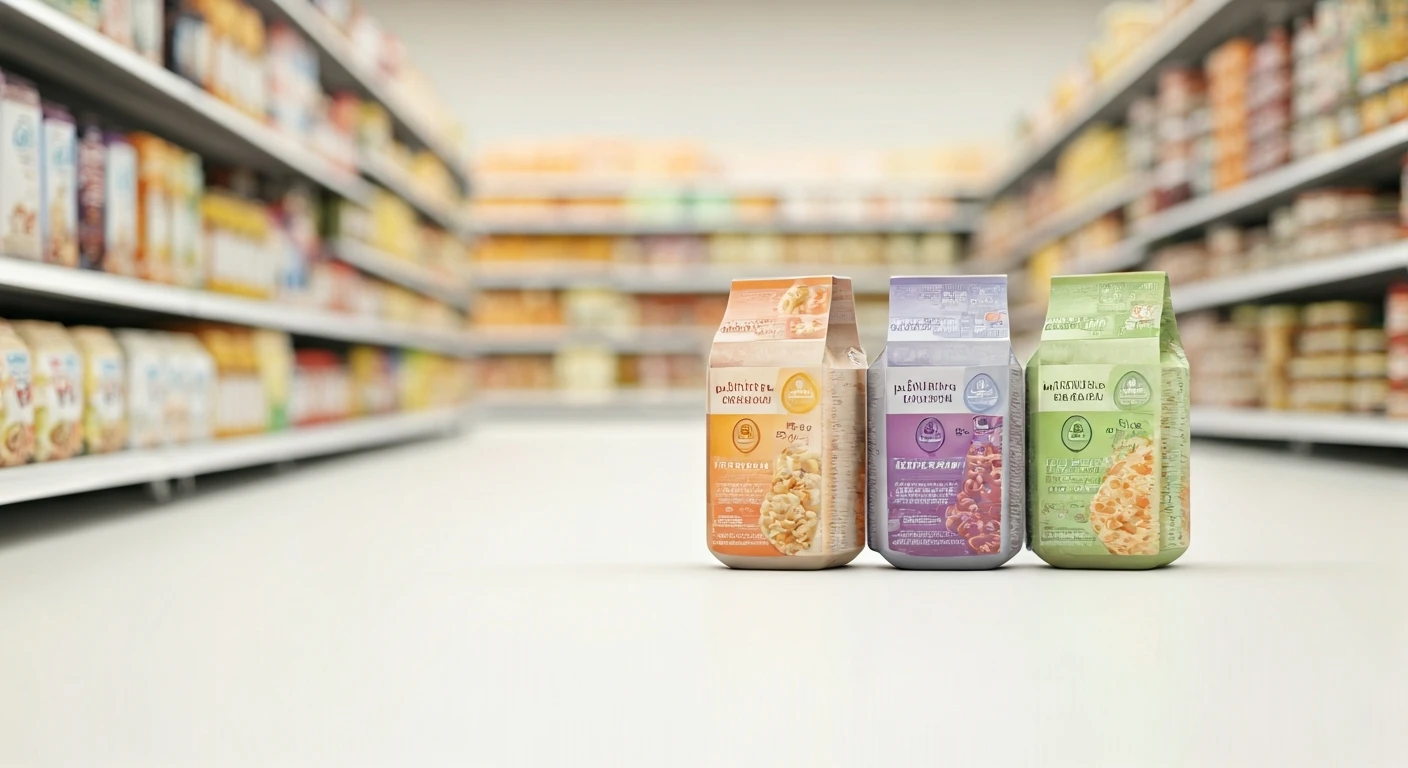
The food industry, always quick to respond to consumer demand, has flooded the market with products designed to meet this new desire. Welcome to the era of “functional foods”—items engineered not just for sustenance but for specific health benefits. Walk down any grocery aisle and you’ll see it in action. Yogurts and kefirs are no longer just dairy; they’re loaded with probiotics for gut health. Coffee is being infused with adaptogens like lion’s mane mushrooms to promise focus without the jitters. Sodas are being reinvented with prebiotics and fiber to support digestion. Even candy is getting a makeover with low-sugar formulas that promise to satisfy a sweet tooth without the subsequent crash. This market is booming because it speaks directly to our desire for control and optimization. In a world full of stressors, managing our well-being through the food we eat feels like an achievable, proactive step. These products offer a convenient promise: you don’t have to cook a complex, anti-inflammatory meal from scratch to feel good. You can just grab a beverage or a snack that does the work for you.
Is This Just ‘Healthy Eating’ Rebranded?
It’s fair to be skeptical. Is this really a new paradigm, or is it just the latest iteration of diet culture dressed up in wellness language? There’s a fine line between mindful eating and obsessive orthorexia, and the pressure to “eat perfectly” can be a source of stress in itself. But there’s a key difference between the old diet culture and this new movement. The diet fads of the ‘90s and ‘00s were primarily about restriction and subtraction—cutting carbs, cutting fat, cutting calories—often with the primary goal of weight loss. The “feels good later” philosophy is more about addition and enhancement. It’s less focused on how food makes you *look* and more on how it makes you *feel*. It prioritizes adding fiber, nutrients, and beneficial compounds rather than just eliminating “bad” ingredients. While the potential for extremes exists, the core principle is a positive one: nurturing your body for sustained energy and mental well-being, not punishing it for a number on a scale.