


So, What Exactly Is 'Townsizing'?
At its core, townsizing is a conscious rejection of 'over-tourism' and the pressure to see everything. Instead of booking a whirlwind tour of Delhi, Agra, and Jaipur, a growing number of Indian travelers are picking one smaller, lesser-known town and staying
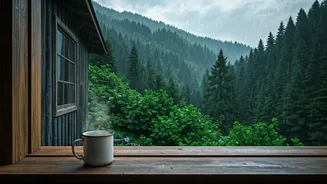
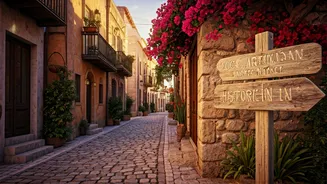
for a while. Think of it as the opposite of a sprawling buffet; it’s about savoring a single, perfectly crafted dish. This isn't just about visiting a quaint village for a day. It’s about settling in for a week, or even a month, and experiencing a place at a local pace. It involves swapping five-star hotel chains for boutique homestays, trading packed monument queues for quiet mornings in a neighborhood café, and replacing a rigid itinerary with spontaneous discovery.
The Backlash Against 'Checklist Tourism'
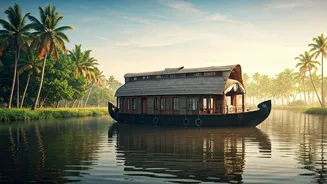
To understand the appeal of townsizing, you have to understand what it’s running from. For decades, travel in India—for both domestic and international tourists—was defined by a handful of world-famous circuits. The Golden Triangle, the backwaters of Kerala, the beaches of Goa. While incredible, these destinations have become victims of their own success, leading to jammed roads, inflated prices, and a sense of being on a conveyor belt. Younger Indian travelers, particularly Millennials and Gen Z, are increasingly disillusioned with this model. They've seen the same iconic shots on Instagram a million times and are now craving something more personal and unique. Townsizing is their answer: a deliberate search for authenticity in places that haven't yet been commercialized into a tourist-friendly caricature.
The Rise of the 'Workation'
The global shift to remote work has been a massive catalyst for this trend. Suddenly, 'out of office' doesn't mean offline. This newfound flexibility has empowered a generation of professionals to trade their city apartments for mountain cabins or seaside bungalows without missing a deadline. A software developer can spend a month working from a café with a view of the Himalayas in Bir, Himachal Pradesh, a town famous for paragliding and its serene Tibetan monasteries. A graphic designer might set up shop in the colorful French Quarter of Puducherry for a few weeks. These 'workations' are the engine of townsizing, transforming a short holiday into a prolonged, immersive experience that blends productivity with leisure and local living.
From Tourist Traps to Creative Hubs
As travelers have flocked to these smaller destinations, a new ecosystem has blossomed to support them. These aren't sleepy backwaters anymore. Towns like Varkala in Kerala, Kasol in Himachal, or even parts of Rajasthan away from the main cities now boast a vibrant culture of their own. You'll find co-working spaces, artisanal coffee shops, organic farm-to-table restaurants, and yoga studios popping up next to generations-old family businesses. This creates a virtuous cycle: the influx of creative, long-stay travelers fuels the growth of cool, independent establishments, which in turn makes the town even more attractive to the next wave of 'townsizers.' It’s a more sustainable form of tourism that enriches the local economy without overwhelming it.
A Social Media Search for the Unique
Ironically, the same social media that created the pressure for clichéd travel photos is now driving the hunt for the undiscovered. The currency of cool on Instagram is no longer the perfectly centered shot in front of the Taj Mahal. It’s the photo of a hidden waterfall, a quirky street art mural in a town no one’s heard of, or the cozy interior of a boutique homestay. Townsizing provides an endless supply of this unique content. It’s a quest for a story that feels original. By stepping off the beaten path, travelers feel like explorers rather than consumers, curating a journey that is authentically their own—and, of course, highly shareable.