






The Sun-Kissed Dream Turns Sour
Remember when the biggest travel worry was a rainy day ruining your beach time? That concern now seems quaint. In recent years, a much more formidable foe has entered the chat: extreme, unbearable heat. The summer of 2023 was a turning point. Tourists
in southern Europe, from the Greek islands to the Italian coast, faced a brutal reality as temperatures soared past 110°F. Ancient sites like the Acropolis in Athens closed during midday, visitors fainted from heatstroke, and wildfires raged perilously close to popular resorts. The dream of a sun-drenched Mediterranean holiday was replaced by a desperate search for air conditioning and shade. This isn't just an anecdotal shift; it's a documented trend. A recent report from the European Travel Commission noted that the number of travelers preferring cooler European destinations has surged. The data shows a fundamental re-evaluation of what constitutes a desirable vacation climate. The very thing people traveled for—consistent sun and warmth—has become a potential threat to their health and enjoyment.
The Rise of the 'Cool-Cation'
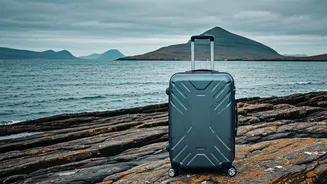
In response, a new type of tourism is rapidly gaining traction: the 'cool-cation.' Instead of flocking south to escape the cold, a growing number of Americans are now heading north—or to higher altitudes—to escape the summer heat. Destinations that were once considered off-season or niche are experiencing a star turn. The coasts of Ireland, the fjords of Norway, the mountains of British Columbia, and the temperate cities of the Pacific Northwest are becoming the new hotspots, precisely because they aren't hot. Travelers are actively seeking refuge. They are trading Tuscan villas for Scandinavian seaside cabins and swapping crowded Roman streets for breezy Belgian towns. This isn't just about comfort; it's about usability. A vacation in a place with a high of 72°F allows for a full day of hiking, exploring, and dining al fresco. A trip to a place enduring a 105°F heat dome means spending the most beautiful hours of the day indoors, waiting for the sun to relent. The value proposition is shifting from 'guaranteed sun' to 'guaranteed comfort.'
Shoulder Seasons Are the New Peak
For those still dreaming of Italy or Spain, the travel calendar is being redrawn. The traditional peak season of June through August is becoming less appealing due to the high probability of extreme weather. Consequently, the 'shoulder seasons' of April-May and September-October are emerging as the new, unofficial peak travel times. During these months, travelers can still enjoy pleasant weather, often with fewer crowds and more reasonable prices than the old summer rush. This shift has significant economic implications. Airlines, hotels, and tour operators are being forced to rethink their pricing and staffing models. A destination that once relied on a three-month summer bonanza now needs to manage a more evenly distributed flow of visitors across six months. It presents both a challenge and an opportunity for a tourism industry grappling with the realities of a warming planet. For travelers, it means planning further ahead for spring and fall trips, as they are no longer a well-kept secret.
How Travelers and the Industry Are Adapting
The smart traveler of today is a climate-aware traveler. They are checking not just flight deals but also historical climate data and long-range weather forecasts before booking. Trip planning now includes new questions: Does the hotel have reliable air conditioning? Is the tour itinerary flexible enough to avoid midday heat? Is the destination prone to wildfires or drought? The industry is slowly catching up. Some tour operators in southern Europe now promote 'siesta-style' schedules, with activities focused in the early morning and late evening. Travel insurance policies are being scrutinized for clauses related to weather disruptions. And a new wave of travel tech startups is focusing on providing climate-risk analysis for specific destinations. Ultimately, the power lies with the consumer, and their message is clear: if we can't be comfortable and safe, we won't come.