





The Fabric of a Problem
The global fashion industry has a massive environmental footprint, and its addiction to a few key materials is a primary cause. Conventional cotton, while a natural fiber, is incredibly thirsty, consuming vast amounts of water and pesticides. Its synthetic
counterpart, polyester, is derived from fossil fuels, sheds microplastics with every wash, and takes centuries to decompose. For decades, the narrative of progress has been about making these fibers cheaper and faster, often at a steep ecological and human cost. This relentless cycle has created a global dependency on a handful of resource-intensive materials, pushing countless local, sustainable alternatives to the brink of extinction.
A Return to the Source
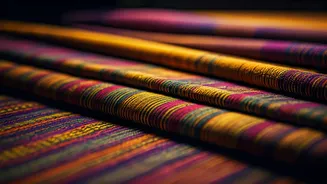
In villages and design studios across India, a different story is unfolding. Here, the future of fabric is being found not in a laboratory, but in age-old knowledge. India has a rich, centuries-deep history of creating textiles from a stunning variety of plants—many of which are now being rediscovered and reimagined for the modern world. This isn’t about nostalgia; it's about ecological wisdom. These traditional methods often utilized the entire plant, turning what would be agricultural waste into a valuable resource. Now, a new generation of entrepreneurs and designers is partnering with artisan communities to scale this wisdom, creating a blueprint for a truly circular economy.
From Banana Stems to Vegan Silk
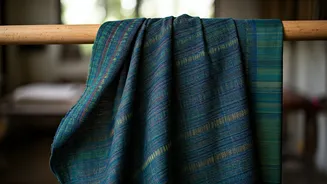
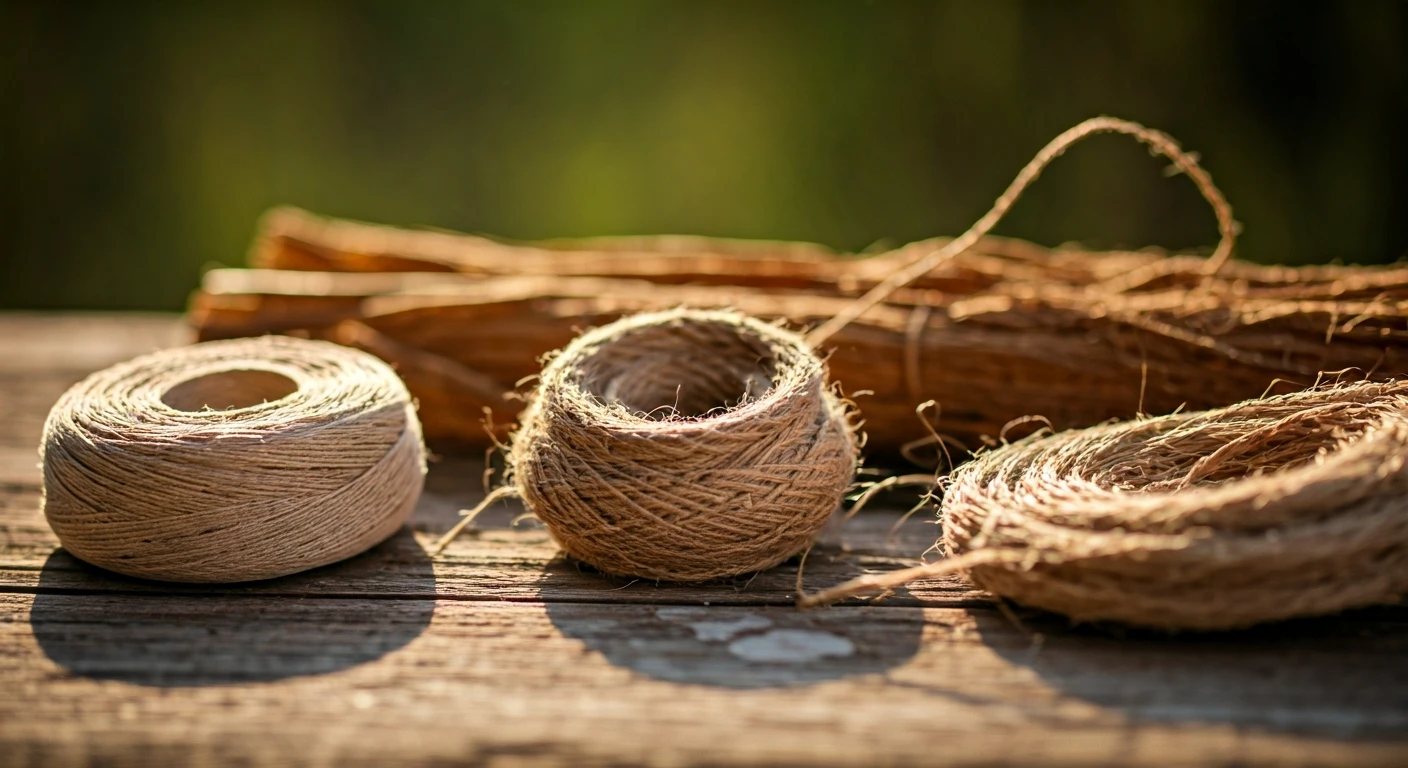
The stars of this revolution are fibers that sound almost mythical. Take banana fiber, for example. For centuries, the bulky, water-rich stems of banana plants were discarded after the fruit was harvested. Today, artisans are extracting the fiber from these stems to create a textile that ranges from a coarse, burlap-like material to a soft, lustrous fabric that rivals silk. The process is entirely chemical-free and utilizes a resource that is abundant and otherwise wasted. Similarly, lotus silk—one of the rarest and most expensive fabrics in the world—is spun from the delicate fibers found inside the stems of lotus flowers. Harvested by hand from lakes, it creates a uniquely soft, breathable, and luxurious textile, all while supporting the preservation of wetland ecosystems.
More Than Just a Thread
This movement is about more than just creating beautiful, eco-friendly clothes. It represents a powerful shift in economic and social structures. The production of these plant-based fibers is highly localized and often provides a vital secondary income for farming communities, particularly for women in rural areas. By creating value from agricultural byproducts or wild-growing plants like Himalayan nettle, it diversifies rural economies and reduces dependence on volatile single-crop markets. Brands and social enterprises are building direct supply chains, ensuring that artisans are paid fairly for their intricate skills. This decentralized model empowers communities to preserve their cultural heritage while participating in the global economy on their own terms.
The Challenge of Scale
While promising, this fiber revolution is not without its hurdles. The production processes for fabrics like lotus and banana silk are labor-intensive, making them more expensive and harder to produce at the scale of conventional textiles. They currently occupy a niche in the luxury and conscious consumer market. However, their true power may not be in replacing cotton or polyester overnight, but in challenging the very definition of “waste.” They prove that sustainability and tradition can be powerful drivers of innovation. As technology improves and consumer demand for transparent, ethical products grows, these ancient fibers offer a compelling vision for a fashion industry that is regenerative rather than extractive.