




They Are Nature’s Pest Control
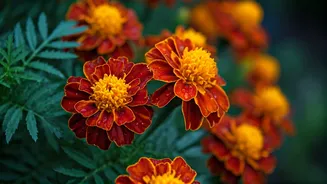
This is the marigold’s most famous side hustle. For generations, gardeners have sworn by planting marigolds to protect other plants. The science backs it up, especially when it comes to the soil. The roots of certain marigold varieties, particularly French
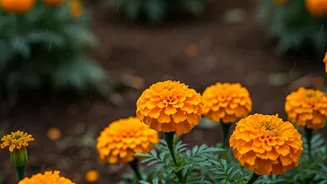
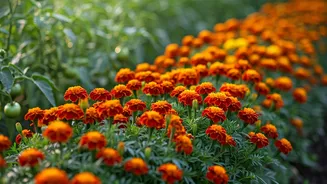
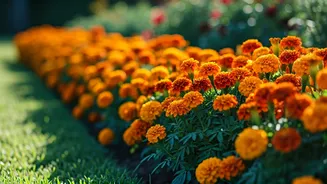
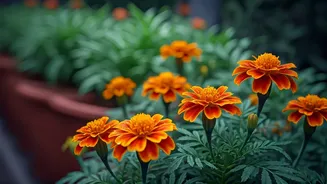
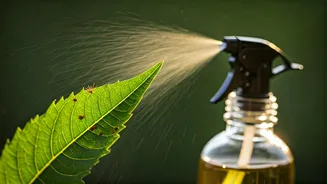
marigolds (Tagetes patula), release a chemical that is toxic to root-knot nematodes—microscopic worms that can devastate vegetable crops like tomatoes, peppers, and squash. Planting a dense border of marigolds around your vegetable patch, or even planting them as a cover crop and tilling them into the soil before the next season, can significantly reduce nematode populations. Above ground, their strong, pungent scent is believed to disorient or repel pests like whiteflies and cabbage moths, acting as a natural shield for more vulnerable plants.
They Call in the Good Guys
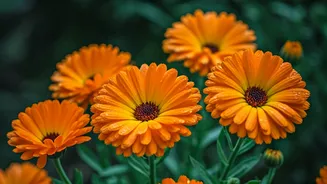
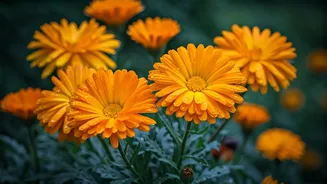
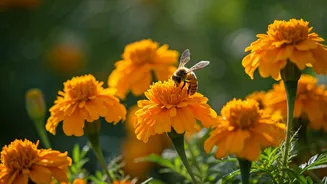
A hard-working flower doesn't just deter the bad; it actively recruits the good. Marigolds’ bright, open-faced blossoms are a welcome mat for a host of beneficial insects. They provide an abundant source of nectar that attracts pollinators like bees, hoverflies, and butterflies throughout their long blooming season. More pollination means a better harvest for your fruiting plants, from cucumbers to strawberries. Furthermore, marigolds attract predatory insects like ladybugs and parasitic wasps. These helpful bugs don't harm your plants; instead, they feast on common garden pests like aphids, providing another layer of free, natural pest management. By planting marigolds, you’re not just adding a flower—you’re building a healthier, more balanced garden ecosystem.
They Make a Great Companion
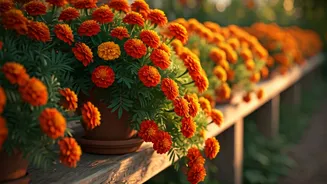
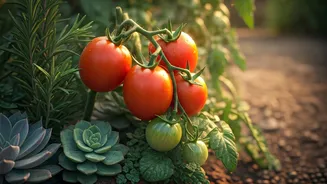
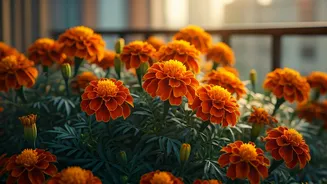
In the garden, as in life, a good companion makes all the difference. Marigolds are superstars of companion planting. Tucked in among vegetables, they do more than just look pretty. Their pest-repelling qualities make them an ideal neighbor for tomatoes, protecting them from hornworms and other threats. They work well alongside broccoli, beans, and cucumbers for the same reasons. Their compact root systems don't compete aggressively for water or nutrients, allowing them to be planted closely without stressing their neighbors. Some gardeners even use them as a “trap crop” for slugs and snails, who may be drawn to the marigolds and leave more valuable vegetables alone. It’s a classic case of taking one for the team.
They Are Incredibly Low-Maintenance
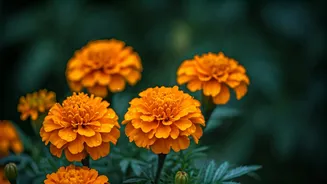
For all the benefits they provide, marigolds ask for very little in return. This is what truly cements their reputation as a workhorse. They are famously easy to grow from seed, making them an inexpensive choice for filling out garden beds and containers. They thrive in full sun and can tolerate a wide range of soil types, as long as the soil isn't constantly waterlogged. Once established, they are reasonably drought-tolerant and will continue to produce a profusion of blooms from late spring straight through to the first hard frost, often outlasting many other annuals. This resilience makes them perfect for beginner gardeners, busy homeowners, or anyone who wants maximum impact with minimal fuss.
They Can Even Be Eaten
Just when you thought the marigold’s resume couldn’t get any longer, it turns out you can eat them, too. The petals of certain species, like Signet marigolds (Tagetes tenuifolia) and some French varieties, are edible. They have a citrusy, slightly spicy flavor that has been compared to saffron. Pluck the petals from the bitter white base of the flower head and sprinkle them over salads, soups, or rice dishes for a splash of vibrant color and a unique taste. They can also be used to garnish cocktails or infused into oils and vinegars. Just be sure you’re using flowers that haven't been treated with pesticides and are from a known edible variety. It’s the final, surprising skill of a flower that truly does it all.