


The New Travel Blueprint
For generations, a hotel was a functional necessity—a base camp for exploring a destination. You booked a room in Rome to see the Colosseum, or a place near the beach in Miami to enjoy the sun and sand. The location was the star; the hotel was a supporting
actor. But a fundamental shift is underway. Increasingly, travelers are flipping the script. They’re falling in love with a hotel first and letting that choice dictate the entire vacation. This isn’t just about splurging on a five-star property. It’s about a hotel that offers such a unique, compelling, or all-encompassing experience that it becomes the destination itself. According to a recent American Express survey, a majority of travelers have even 'trip stacked'—planned multiple getaways around a single, hard-to-get hotel or restaurant reservation. The question is no longer 'Where should I go?' but 'Where should I stay?'
The Power of the Picture-Perfect Stay
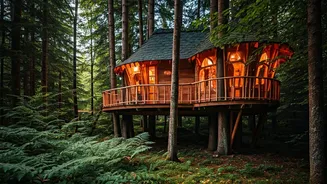
A primary driver of this trend is the visual-first nature of social media. Platforms like Instagram and TikTok have turned hotels into viral sensations. A stunning infinity pool overlooking a jungle, a glass igloo with a view of the Northern Lights, or a quirky treehouse in the woods isn't just a nice amenity; it's a coveted photo-op that can define a trip. These properties are meticulously designed to be 'Instagrammable,' with unique architecture, breathtaking views, and curated aesthetics that pop on a phone screen. When a friend posts a jaw-dropping shot from a hotel that looks like it's from another planet, the immediate reaction is often 'I want to go *there*,' with 'there' meaning the hotel specifically, not necessarily the country it's in. This turns the hotel into a bucket-list item, a status symbol, and a tangible goal that feels more specific and exciting than just picking a spot on a map.
When the Hotel Becomes the Experience
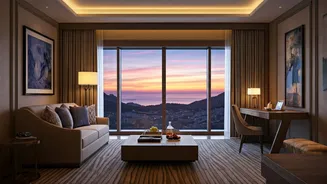
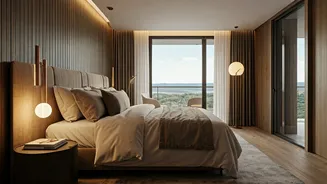
Beyond aesthetics, hotels are aggressively redefining their role by becoming self-contained worlds of experience. Why brave a new city's transit system when your hotel has a Michelin-starred chef, a world-class wellness spa, a private art collection, and guided excursions available right from the lobby? These 'destination hotels' are designed to capture a guest's full attention—and budget. They offer a seamless, curated vacation where the hassle of planning is minimized. A stay might revolve around a multi-day yoga retreat, a culinary workshop with a famous chef, or access to a private nature reserve. This is especially appealing to burnout-conscious travelers who want to truly unplug. The convenience of having every need met under one roof—from gourmet dining to thrilling activities—makes the outside world feel secondary. The value proposition is no longer a bed and a shower, but a complete, stress-free narrative for your time off.
From Lodging to Landmark
This trend has given rise to a new category of landmark—the landmark hotel. Think of properties so famous they are synonymous with an experience. Giraffe Manor in Kenya, where giraffes poke their heads into the breakfast room, is a prime example; people plan entire African safaris around a booking there. Similarly, the overwater bungalows of the Maldives or Bora Bora defined an entire style of tropical luxury, with the specific resort often being the main draw. On a smaller scale, architecturally unique properties found on rental sites, like a desert dome house or a converted fire tower, attract visitors to remote areas they would otherwise never consider. These places don't just host tourists; they create tourism. They prove that with a strong enough concept, a single property can put an entire, otherwise overlooked, location on the global travel map.